Wine
The History of Wine: 8,000 Years Across Civilizations
Pinkybee · 25/06/2026 · 10 min read
Video: ArtHouse Studio / Pexels
Wine emerged in the Caucasus around 6000 BC, spread across the Mediterranean with the great ancient civilizations, was shaped by medieval monasteries, then transformed in the modern age.
The Caucasus cradle: the oldest evidence
The cradle of grape wine lies in the Caucasus, specifically in Georgia: the oldest known traces of grape wine were found near Tbilisi, dated to around 6000 BCE (per History of wine — Wikipedia; National Geographic, "Oldest Evidence of Winemaking Discovered at 8,000-Year-Old Village"). This is not merely a charming story but a conclusion drawn from the laboratory: chemical analysis of pottery shards excavated at two Neolithic villages, Gadachrili Gora and Shulaveris Gora, revealed tartaric acid — regarded as the chemical "fingerprint" characteristic of grapes and grape wine.
What makes the Georgian find so remarkable is its age: it predates comparable evidence in Iran by nearly a full millennium (National Geographic). At the Hajji Firuz Tepe site in Iran, jars dated to around 5000 BCE were found, showing that ancient people used pine resin to preserve the contents of their vessels — a technique whose spirit still echoes in resin-flavored retsina-style wine many millennia later.
The picture widens further when we look eastward: at the Jiahu site in China, archaeologists found evidence of a fermented beverage blending grapes and rice, dated to roughly 7000 BCE (History of wine — Wikipedia). This shows that people across many different lands learned early to harness natural fermentation — yet for the grape-wine lineage specifically, the clearest and earliest physical evidence still points back to the Caucasus, making it the starting point of the current we will trace throughout the article The History of Wine (/blog/lich-su-ruou-vang).
This is a framework of knowledge and history, not an invitation to raise a glass. The content is intended only for those aged 18 and over; if you do partake, drink responsibly, and those who cannot drink can certainly choose non-alcoholic beverages to join in the cultural story. To understand more about classification and styles, read on with Wine Basics (/blog/tim-hieu-ruou-vang-co-ban) and Old World & New World (/blog/ruou-vang-old-world-new-world).
Areni-1: the world's oldest winery
The oldest complete winery known to date lies inside the Areni-1 cave in Armenia's Vayots Dzor Province, discovered in 2007. The site dates to roughly 4100–4000 BCE — the late Copper Age (Chalcolithic) — making it the earliest evidence of an organized winemaking process (sources: "Areni-1 winery", Wikipedia; "Earliest Known Winery Found in Armenian Cave", National Geographic).
What makes Areni-1 remarkable is not a single shard but a nearly intact production line. Archaeologists found a rudimentary grape press, clay vats used for fermentation, grape seeds, pressed grape skins, along with drinking cups and bowls. This assemblage shows that ancient people did not merely stumble upon fermented juice — they deliberately pressed, fermented, and consumed the result (source: "Areni-1 winery", Wikipedia).
Biochemical evidence reinforces the story: an analysis published in the Journal of Archaeological Science in 2011 detected malvidin on the artifacts — the principal pigment that gives red wine its color, a chemical signature tied to fermented grapes (sources: "Oldest Evidence of Winemaking" and "Earliest Known Winery Found in Armenian Cave", National Geographic). The site was fortunately well preserved: after the cave roof collapsed, a layer of sheep dung covered the remains and suppressed mold, keeping the traces intact for thousands of years (source: "Areni-1 winery", Wikipedia).
Areni-1 opens the long journey of grapes and fermentation in human culture — a story told in full in History of Wine (/blog/lich-su-ruou-vang). If you are just starting out, Wine Basics (/blog/tim-hieu-ruou-vang-co-ban) lays the groundwork. This is cultural and educational content intended for those aged 18 and over; please enjoy responsibly, and anyone who does not drink can fully take part in the sensory experience with non-alcoholic options.
Egypt, Greece, Rome: Wine of the Mediterranean
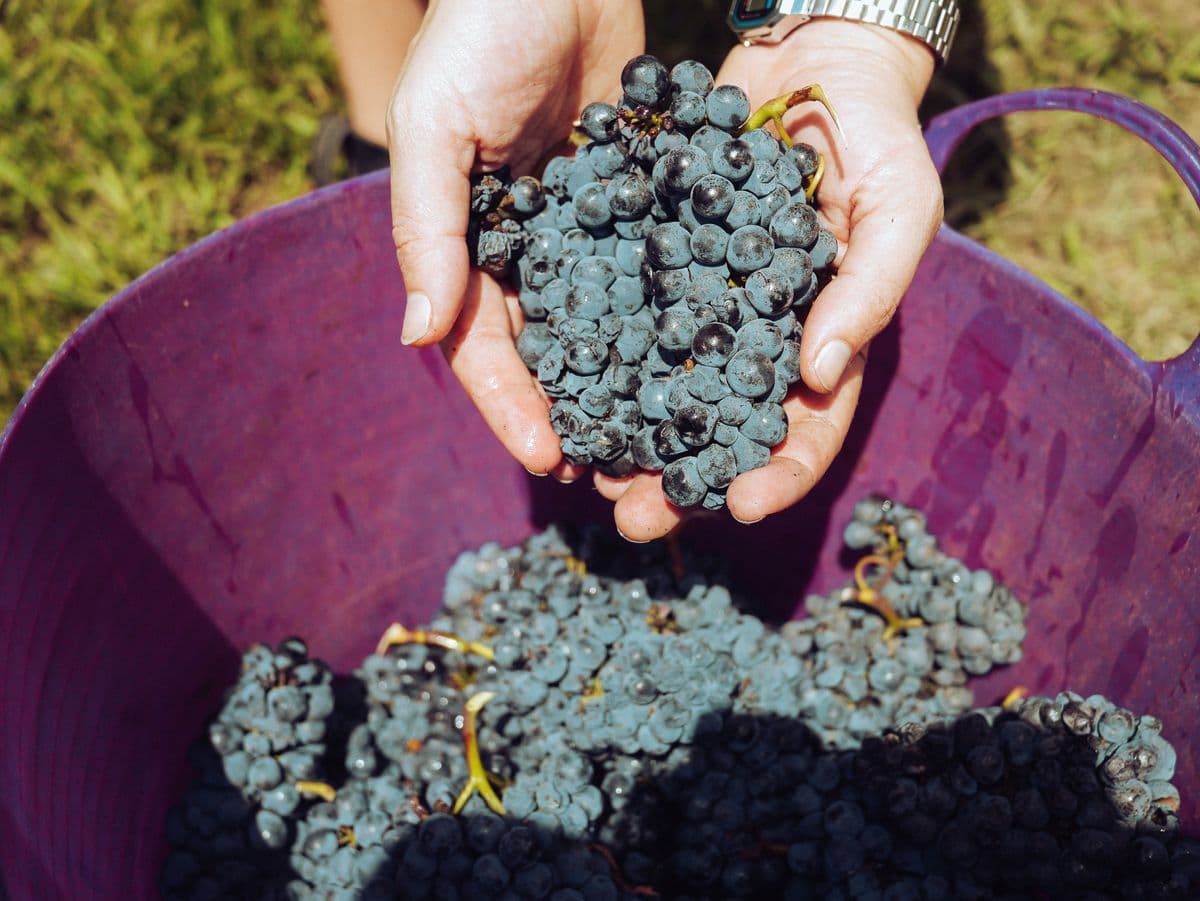
Around the Mediterranean, wine moved from a rare luxury to a core element of culture, religion and urban life — and it was three civilizations, Egyptian, Greek and Roman, that shaped this path. In Egypt, a royal winemaking industry was established in the Nile Delta around 3000 BC, after the grapevine was introduced from the Levant (History of wine, Wikipedia, https://en.wikipedia.org/wiki/History_of_wine). This was no everyday drink: wine was tied to the elite, to ritual and to funerary offerings, and it left its mark on tomb wall paintings — where scenes of grape harvest and pressing were depicted as part of the ancient worldview (Wine in the Ancient Mediterranean, World History Encyclopedia, https://www.worldhistory.org/article/944/wine-in-the-ancient-mediterranean/).
The Greeks placed wine at the heart of intellectual and social life. They worshipped Dionysus, the god of wine, and developed the symposium — a gathering combining drink with philosophical discussion, poetry and politics, becoming an important social institution of the ancient Greek world (Ancient Greece and wine, Wikipedia, https://en.wikipedia.org/wiki/Ancient_Greece_and_wine). As Greek city-states founded colonies across the Mediterranean, they carried the vine with them and spread viticultural techniques, turning this sea into a continuous network of grape culture (Wine in the Ancient Mediterranean, World History Encyclopedia, https://www.worldhistory.org/article/944/wine-in-the-ancient-mediterranean/).
The Romans, with their god Bacchus, raised production to a new scale and began to place it under a legal framework. The first recorded wine law came from Emperor Domitian, around AD 92, restricting the planting of new vineyards — a sign that viticulture had grown large enough to require regulation (History of wine, Wikipedia, https://en.wikipedia.org/wiki/History_of_wine). More consequentially for posterity, the Romans brought viticulture to the lands they conquered — from Gaul and Hispania to the hills of Italy — laying the foundations for the very European wine regions we know today (Wine in the Ancient Mediterranean, World History Encyclopedia, https://www.worldhistory.org/article/944/wine-in-the-ancient-mediterranean/).
Thus the Mediterranean legacy is not merely technical but a cultural map: from Egyptian tombs, through the Greek discussion table, to the laws and regional networks of Rome. For the bigger picture, read our overview History of Wine (/blog/lich-su-ruou-vang); to understand how the traditional and modern regional divide took shape, see Old World & New World (/blog/ruou-vang-old-world-new-world); and if you are just starting out, Wine Basics (/blog/tim-hieu-ruou-vang-co-ban) is a fitting place to begin. The content here is cultural, knowledge-based and historical, intended for those aged 18 and over; please enjoy responsibly, and those who cannot drink alcohol can freely choose non-alcoholic beverage options.
The Middle Ages: monasteries and the Church keep the flame
Throughout the Middle Ages, Catholic monasteries were the custodians who preserved and advanced winemaking in Europe. After the 5th century, monks grew vines and made wine to serve the sacrament of the Eucharist — the rite in which wine symbolizes the blood of Christ; this liturgical need placed wine at the heart of monastic life and turned monks into devoted vine-growers (per History of wine — Wikipedia, en.wikipedia.org/wiki/History_of_wine). Because wine was tied to worship, winemaking knowledge was passed down, recorded, and refined across generations of monks rather than being lost.
The two orders that left the deepest mark were the Benedictines and the Cistercians. The Benedictine order was the first major monastic order to strongly influence the world of wine, followed by the Cistercian order, founded in 1112. It was the Cistercian monks who created the Clos de Vougeot vineyard in Burgundy — a classic model thanks to its emphasis on terroir, the way each plot's soil and microclimate shape the character of the vines (per History of wine in 100 bottles: Monasteries – Clos de Vougeot — Decanter, decanter.com). The idea of terroir that the monks distilled through careful observation remains the foundational mindset of Old World wine today (see also Old World & New World, /blog/ruou-vang-old-world-new-world).
The monks' footprints stretch across France's most celebrated wine regions. In Chablis, the Cistercian monks of Pontigny were the first to plant the Chardonnay grape. In Bordeaux, the Benedictine order owned many estates, including the foundations of Graves estates such as Château Carbonnieux. Many other famous French appellations — Chablis, Vosne-Romanée, Châteauneuf-du-Pape, Pommard — were also developed by monks (per History of wine — Wikipedia). It is fair to say that the vineyard landscape and the map of French wine we know today were largely drawn by the patience of medieval monastic communities. To grasp foundational concepts such as terroir, grape varieties, and appellations, see Wine basics (/blog/tim-hieu-ruou-vang-co-ban).
This is cultural and historical knowledge intended for people aged 18 and over. Learning about wine is not an invitation to drink: always enjoy responsibly, and those who cannot drink alcohol can take part in the conversation with non-alcoholic beverages. Continue with the earlier chapters in the History of wine series (/blog/lich-su-ruou-vang).
The 19th Century: The Phylloxera Plague and the Rescue from America
In the second half of the 19th century, Europe's wine industry was nearly wiped out by a tiny insect. Phylloxera — a root-feeding aphid — arrived in France during the 1860s, most likely carried on plants or timber imported from America. The first attack recorded in France occurred in the village of Pujaut, in the Gard area of Languedoc, in 1863 (per Great French Wine Blight — Wikipedia). From that small outbreak the disaster spread into what historians call the Great French Wine Blight, devastating much of Europe's vineyards.
The cruel irony is that the source of the catastrophe also held the cure. Native American grape species had evolved to live alongside this insect, so their roots resisted the root attack — something Europe's wine grape (Vitis vinifera) lacked. The solution that saved the industry was grafting: taking cuttings of European grape varieties and grafting them onto phylloxera-resistant American rootstock, keeping the familiar fruit and flavor characteristics on top while the roots below were tough enough to survive (per Great French Wine Blight — Wikipedia).
The solution was not embraced overnight. There was initial opposition, but the brutal reality of the plague gradually won region after region over. Producers in Bordeaux accepted grafting in 1881, and Burgundy followed in 1887 (per Great French Wine Blight — Wikipedia). This technique of grafting onto American rootstock later became the near-global standard — a quiet turning point that reshaped viticulture to this day, and proof that the history of wine has always been a story of adaptation and exchange between continents.
The phylloxera story opens another major chapter: the movement and grafting between the Old World and the New World — read more in Old World & New World (/blog/ruou-vang-old-world-new-world). If you are just starting out, see Wine Basics (/blog/tim-hieu-ruou-vang-co-ban) and Tasting & Appreciating Wine (/blog/thuong-thuc-tham-ruou-vang); a scientific perspective is in Wine & Health (/blog/ruou-vang-va-suc-khoe); and the full timeline lives in The History of Wine (/blog/lich-su-ruou-vang). Note: this content is cultural and educational, intended for those aged 18 and over; please enjoy responsibly, and those who cannot drink may certainly choose non-alcoholic beverages.
The modern era: classification and the New World
The modern era of wine was shaped by two great currents: a systematic effort to classify wines in Europe, and the rise of grape growing beyond the old continent. The emblematic milestone is the famous Bordeaux wine classification drawn up in 1855 — an organized ranking framework that appeared just before the phylloxera blight reached France in the early 1860s (History of wine — Wikipedia, https://en.wikipedia.org/wiki/History_of_wine; Great French Wine Blight — Wikipedia, https://en.wikipedia.org/wiki/Great_French_Wine_Blight). The closeness in time between a peak of organization and a biological shock shows how the wine world has always moved between accumulated knowledge and forces beyond its control.
Alongside Europe, New World wine took form as viticulture spread to the Americas, South Africa, Australia and many regions outside Europe (History of wine — Wikipedia, https://en.wikipedia.org/wiki/History_of_wine). This diffusion was not accidental: it followed maritime routes, waves of colonization and trade networks stretching across the Mediterranean and beyond, carrying grape varieties and winemaking knowledge to new lands.
The international reputation of the New World rose markedly through the 1976 Paris tasting — a sensory evaluation event that helped affirm that high-quality wine was no longer the exclusive domain of a few traditional regions (History of wine — Wikipedia, https://en.wikipedia.org/wiki/History_of_wine). From then on, the world wine map grew broader and more diverse in both culture and sensory character, inviting wine lovers to explore many different regional styles.
To follow this journey in full, read the overview History of wine (/blog/lich-su-ruou-vang), compare the two schools in Old World & New World (/blog/ruou-vang-old-world-new-world), build the basics in Understanding wine fundamentals (/blog/tim-hieu-ruou-vang-co-ban), train your palate with Tasting & appreciating wine (/blog/thuong-thuc-tham-ruou-vang), and consider the scientific angle in Wine & health (/blog/ruou-vang-va-suc-khoe). This content is cultural and educational, intended for those aged 18 and over; please enjoy responsibly, and those who cannot or prefer not to drink can always choose non-alcoholic options.
Frequently asked questions (FAQ)
Where was the oldest grape wine found, and how old is it?
The oldest known traces of grape wine were found near Tbilisi, Georgia, dating to around 6000 BCE. Chemical analysis of pottery shards from the two Neolithic villages of Gadachrili Gora and Shulaveris Gora revealed tartaric acid — the chemical fingerprint of grape wine — predating comparable evidence in Iran by nearly a millennium. For the full timeline, read History of Wine (/blog/lich-su-ruou-vang).
What is the oldest winery ever discovered?
It is the Areni-1 winery in Vayots Dzor province, Armenia, discovered in 2007 and dated to roughly 4100–4000 BCE, in the late Chalcolithic (Copper Age). The site includes a rudimentary grape press, clay fermentation vats, grape seeds and pressed grape skins, plus drinking cups and bowls; biochemical analysis published in the Journal of Archaeological Science in 2011 detected malvidin — the main pigment of red wine. The cave was well preserved thanks to a layer of sheep dung that inhibited mold after the roof collapsed.
What role did the Greeks and Romans play in spreading wine?
The Greeks worshipped Dionysus, god of wine, with the symposium (a drinking-and-discussion gathering) serving as an important social space, and they founded colonies across the Mediterranean carrying vines and viticultural techniques. The Romans (god Bacchus) scaled up production and brought viticulture to Gaul, Hispania and the hills of Italy, laying the foundations of today's European wine regions. To compare old and new traditions, see Old World & New World (/blog/ruou-vang-old-world-new-world).
Why were medieval monks so closely tied to winemaking?
After the 5th century, monks grew grapes and made wine for the sacrament of the Eucharist, where wine symbolizes the blood of Christ. The Benedictines were the first major order to strongly influence the wine world, followed by the Cistercians (founded in 1112), who created the Clos de Vougeot vineyard in Burgundy thanks to their focus on terroir; many renowned French appellations such as Chablis, Vosne-Romanée, Châteauneuf-du-Pape and Pommard were developed by monks. The concept of terroir is explained in Wine Basics (/blog/tim-hieu-ruou-vang-co-ban).
What was the phylloxera epidemic and how was it overcome?
Phylloxera was introduced to France in the 1860s, with the first recorded attack in the village of Pujaut, Gard (Languedoc) in 1863, triggering the Great French Wine Blight that devastated much of Europe's vineyards in the second half of the 19th century. The solution was grafting European vines (Vitis vinifera) onto American rootstock resistant to the root-eating louse; Bordeaux producers accepted grafting in 1881 and Burgundy in 1887, despite initial resistance. Learn how to taste a glass of wine in Tasting & Appreciating Wine (/blog/thuong-thuc-tham-ruou-vang).
Which milestones shaped the modern wine market?
The famous Bordeaux wine classification was established in 1855, just before phylloxera reached France; the 1976 Judgment of Paris tasting raised the international reputation of New World wines, which had developed as viticulture spread to the Americas, South Africa, Australia and regions beyond Europe along maritime routes, colonization and trade. Note: this content is cultural and educational, intended for those aged 18 and over — please drink responsibly, and anyone who cannot drink can absolutely choose non-alcoholic options; you may also read Wine & Health (/blog/ruou-vang-va-suc-khoe).
References
History of wine — Wikipedia — https://en.wikipedia.org/wiki/History_of_wine
Oldest Evidence of Winemaking Discovered at 8,000-Year-Old Village — National Geographic — https://www.nationalgeographic.com/history/article/oldest-winemaking-grapes-georgia-archaeology
Areni-1 winery — Wikipedia — https://en.wikipedia.org/wiki/Areni-1_winery
Earliest Known Winery Found in Armenian Cave — National Geographic — https://www.nationalgeographic.com/culture/article/110111-oldest-wine-press-making-winery-armenia-science-ucla
Wine in the Ancient Mediterranean — World History Encyclopedia — https://www.worldhistory.org/article/944/wine-in-the-ancient-mediterranean/
Ancient Greece and wine — Wikipedia — https://en.wikipedia.org/wiki/Ancient_Greece_and_wine
History of wine in 100 bottles: Monasteries – Clos de Vougeot — Decanter — https://www.decanter.com/learn/history-of-wine-in-100-bottles-monasteries-clos-de-vougeot-264412/
Great French Wine Blight — Wikipedia — https://en.wikipedia.org/wiki/Great_French_Wine_Blight
Planning an event?
Get a free quote
Tell us about your event and our team will recommend the right package and send a detailed quote — no commitment.