Wine
Wine and Health: What the Science Actually Says
Pinkybee · 25/06/2026 · 10 min read
Video: ArtHouse Studio / Pexels
WHO (2023): no level of alcohol consumption is safe for health. The "red wine is good for the heart" claim and the French paradox have been largely debunked. The healthiest choice is to limit or avoid alcohol.
The Foundational Statement: WHO 2023 — No Safe Level
The straight answer: as of today, the world's leading health authority maintains that there is no level of drinking that can be considered absolutely safe for health — and this applies to wine as well. In January 2023, the WHO Regional Office for Europe published a blunt statement in The Lancet Public Health: "When it comes to alcohol consumption, there is no safe amount that does not affect health" (WHO Europe, 2023). This is the honest starting point that anyone exploring the topic of wine and health needs to grasp.
The core of WHO's argument lies in cancer risk. Alcohol (ethanol) is classified by the International Agency for Research on Cancer (IARC) as a Group 1 carcinogen — the highest evidence category, alongside asbestos, ionizing radiation and tobacco. More importantly, WHO stresses that the available evidence shows no threshold at which the carcinogenic effects of alcohol "switch on" — meaning the risk begins from the very first sip, even if it rises with the amount consumed (WHO Europe — Alcohol and cancer fact sheet). WHO also cites a figure: more than 200 million people in the European Region face a risk of developing alcohol-related cancer. This warning was later reinforced by the U.S. Surgeon General's advisory on the link between alcohol and cancer (U.S. Surgeon General, 2025).
On the familiar question of whether "a glass of red wine a day is good for the heart," WHO responds cautiously: no studies have demonstrated that the potential benefits of light or moderate drinking for cardiovascular disease and type 2 diabetes outweigh the cancer risk at the same level of consumption (WHO Europe, 2023). In other words, even assuming some benefit exists, it does not "offset" the price paid. We will examine the scientific debates around the "French Paradox" and resveratrol more closely in later sections of this article.
For this reason, the entire article approaches wine through the lens of culture, knowledge and sensory appreciation — not as a "health supplement." This content is intended for those aged 18 and over; if you cannot or choose not to drink, you can fully enjoy a similar experience through non-alcoholic beverages. To understand wine more completely, you may also read the related articles in this series: History of Wine (/blog/lich-su-ruou-vang), Old World & New World (/blog/ruou-vang-old-world-new-world), Wine Basics (/blog/tim-hieu-ruou-vang-co-ban), Tasting & Appreciating Wine (/blog/thuong-thuc-tham-ruou-vang) and Wine & Health (/blog/ruou-vang-va-suc-khoe).
Alcohol and cancer: the strongest evidence, even at low doses
The straight answer: alcohol (ethanol) is an established carcinogen, regardless of whether it comes in wine, beer or spirits. The WHO's International Agency for Research on Cancer (IARC) has classified alcoholic beverages as Group 1 — the category for human carcinogens with the strongest evidence — since 1988. There is now sufficient evidence of a causal relationship between alcohol and seven cancers: oral cavity, pharynx, larynx, oesophagus, liver, colorectum and female breast. The last two — colorectal and female breast cancer — were added to the list in 2007 and 2009 respectively, once the accumulated evidence was firm enough (WHO Europe — Alcohol and cancer, https://www.who.int/europe/news-room/fact-sheets/item/alcohol-and-cancer).
What surprises many people: the risk does not come only from heavy drinking. According to WHO Europe, half of all alcohol-attributable cancers in the region stem from 'light' and 'moderate' drinking, not just from heavy drinkers. For female breast cancer specifically, it is precisely the light and moderate drinking group that accounts for the majority of alcohol-caused cases. This is why WHO stresses that, where cancer risk is concerned, no level of consumption can be considered safe (WHO Europe — No level of alcohol consumption is safe for our health, 2023, https://www.who.int/europe/news/item/04-01-2023-no-level-of-alcohol-consumption-is-safe-for-our-health).
This warning is not confined to Europe. In January 2025, the US Surgeon General issued a formal advisory stating that alcohol is the third leading preventable cause of cancer in the United States, after tobacco and obesity, contributing to nearly 100,000 cancer cases and about 20,000 cancer deaths each year in the US. Notably, the advisory also identified a large awareness gap: only 45% of Americans are aware of the link between alcohol and cancer (U.S. Surgeon General — Alcohol and Cancer Risk Advisory, HHS 2025, https://www.hhs.gov/surgeongeneral/reports-and-publications/alcohol-cancer/index.html).
So this part of the series is not meant to prescribe or to judge, but to give readers the facts and let them decide with full understanding. If you are interested in the cultural and sensory side of wine, you can also read the companion chapters in this section: The history of wine (/blog/lich-su-ruou-vang), Old World & New World (/blog/ruou-vang-old-world-new-world), Wine basics (/blog/tim-hieu-ruou-vang-co-ban), Tasting and appreciating wine (/blog/thuong-thuc-tham-ruou-vang) and the overview piece Wine & health (/blog/ruou-vang-va-suc-khoe). All content on this site is intended for those aged 18 and over and is geared toward informed, responsible drinking; those who cannot or choose not to drink can opt for non-alcoholic beverages.
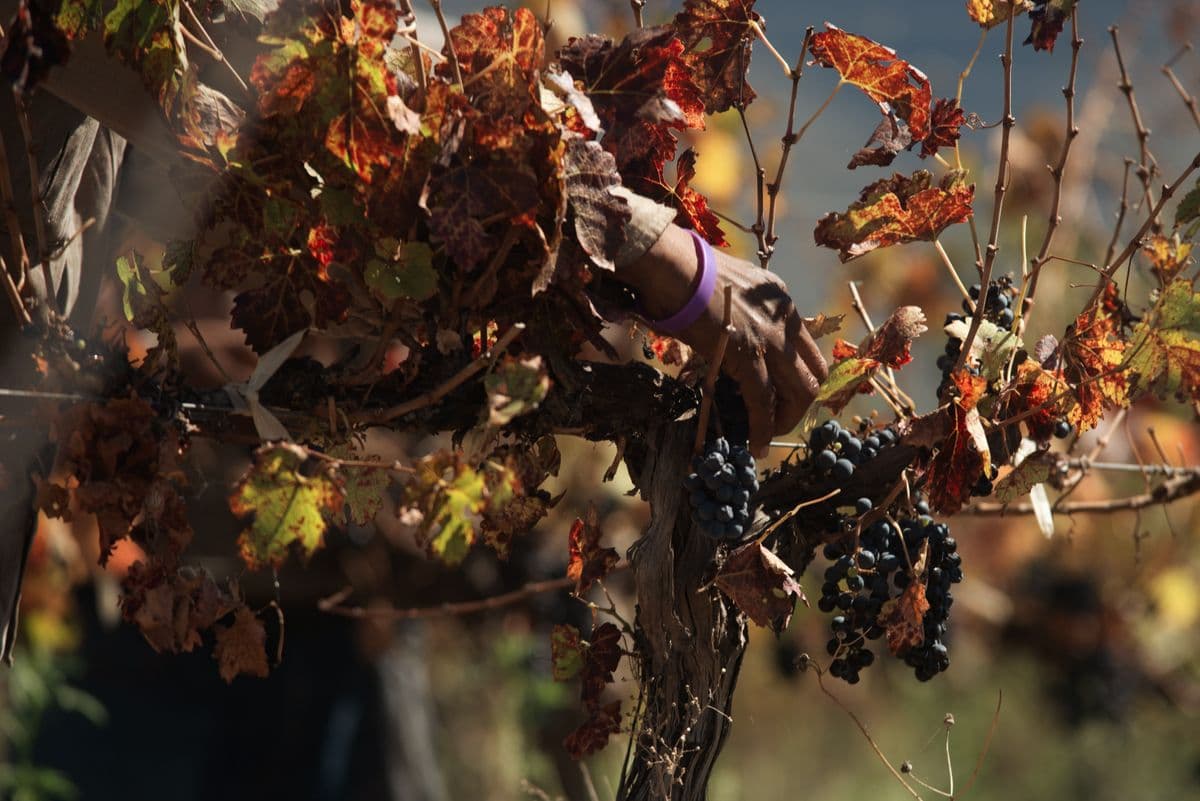
The French paradox: from marketing myth to "statistical illusion"
In short: the so-called "French paradox" — the idea that the French eat plenty of saturated fat yet die less from coronary heart disease thanks to red wine — is largely a charming story that later science has worn away, not a solid conclusion. The concept emerged in the early 1990s from research by Serge Renaud and Michel de Lorgeril published in The Lancet, which noted an unusually low coronary heart disease mortality rate in France relative to a fat-rich diet. Tellingly, the wine industry quickly seized on this story to run a marketing campaign, planting in the public mind the notion that "red wine is good for the heart" — a memorable message that went far beyond what the data actually allowed.
As early as 1999, epidemiologists Malcolm Law and Nicholas Wald argued that the French paradox might be merely an "illusion" born of statistical distortion: at the time, France under-certified heart-disease deaths compared with England, making the figure look lower than it really was. A piece in The Conversation likewise summed it up by saying the French paradox "turned out to be an illusion," even though it spurred a few interesting lines of research. In other words, part of the gap people attributed to red wine may simply reflect differences in how the two countries counted disease.
The core of the issue lies in the type of evidence. According to Harvard Health and the American Society for Nutrition, most conclusions of the "moderate drinking lowers heart disease" kind come from observational studies — research that shows association, not causation. People who regularly drink wine in these studies tend to be tied to healthier lifestyles: drinking with proper meals, higher income and better access to healthcare. So it is quite likely that lifestyle, rather than the glass of wine itself, explains the healthy heart. When science moved to controlled trials, the factor supported for cardiovascular health turned out to be the Mediterranean-style diet — vegetables, olive oil, fish — not red wine.
The overall picture has therefore shifted markedly from the 1990s marketing message. Major health bodies today stress that no level of alcohol consumption is considered entirely safe for health (WHO Europe, 2023; U.S. Surgeon General advisory, 2025), and recent burden-of-disease analyses also cast doubt on the very cardiovascular benefit once attributed to alcohol (The Lancet 2022; Nature Communications 2024). This is the opening part of the "Wine & health" article in this section — to explore wine from a cultural and knowledge angle, you can read on with History of wine (/blog/lich-su-ruou-vang), Old World & New World (/blog/ruou-vang-old-world-new-world), Wine basics (/blog/tim-hieu-ruou-vang-co-ban), Tasting & appreciating wine (/blog/thuong-thuc-tham-ruou-vang) and the overview Wine & health (/blog/ruou-vang-va-suc-khoe). This content is for those aged 18 and over; if you drink, drink responsibly, and those who cannot drink can freely choose non-alcoholic beverages.
Resveratrol: weak evidence, impossible real-world dose
Resveratrol — a compound found in grape skins — is the most frequently cited argument used to justify the supposed "health benefits" of red wine. Yet when you examine the medical literature, that foundation is thin. A synthesis of the evidence (Resveratrol — Wikipedia, https://en.wikipedia.org/wiki/Resveratrol) notes that there is no high-quality evidence that resveratrol extends human lifespan, nor any meaningful positive effect on any human disease. In other words, the appealing tale of a "longevity compound in your wine glass" has never been demonstrated in human science.
The core problem is dosage. The studies showing resveratrol improving some health markers were largely conducted in mice at extremely high doses. For a person to take in an equivalent amount of resveratrol, they would have to drink on the order of hundreds to thousands of glasses of red wine per day — something that is both physically impossible and would be lethally toxic from alcohol long before any benefit could appear. One cited estimate captures the absurdity of this approach: drinking red wine for its resveratrol could cause roughly 100,000 alcohol-related cancers for every single cancer that wine's resveratrol might possibly prevent. Alcohol itself is an established carcinogen (WHO Europe — Alcohol and cancer, https://www.who.int/europe/news-room/fact-sheets/item/alcohol-and-cancer).
Direct human experiments also fail to support the resveratrol hypothesis. A large study reported by Harvard Health (Is red wine actually good for your heart?, https://www.health.harvard.edu/blog/is-red-wine-good-actually-for-your-heart-2018021913285) found that a resveratrol-rich diet produced no measurable health benefit. The literature concludes plainly that no optimal human dose of resveratrol has been established, and that the evidence is not strong enough to recommend its use in any medical context. Set against the WHO's position that no level of alcohol consumption is safe for our health (https://www.who.int/europe/news/item/04-01-2023-no-level-of-alcohol-consumption-is-safe-for-our-health), the "drink wine for the resveratrol" argument all but collapses.
A balanced conclusion: resveratrol is a fascinating scientific topic, but it is not a valid reason to drink wine. If the compound interests you, it is also present in fresh grapes, certain berries and peanuts — without the risks of alcohol. This content is for knowledge purposes only and intended for those aged 18 and over; please drink responsibly, and those who cannot or choose not to drink can absolutely opt for non-alcoholic beverages. For the fuller picture, continue with the related articles in this series: Wine & health (/blog/ruou-vang-va-suc-khoe), History of wine (/blog/lich-su-ruou-vang), Old World & New World (/blog/ruou-vang-old-world-new-world), Wine basics (/blog/tim-hieu-ruou-vang-co-ban) and Tasting & appreciating wine (/blog/thuong-thuc-tham-ruou-vang).
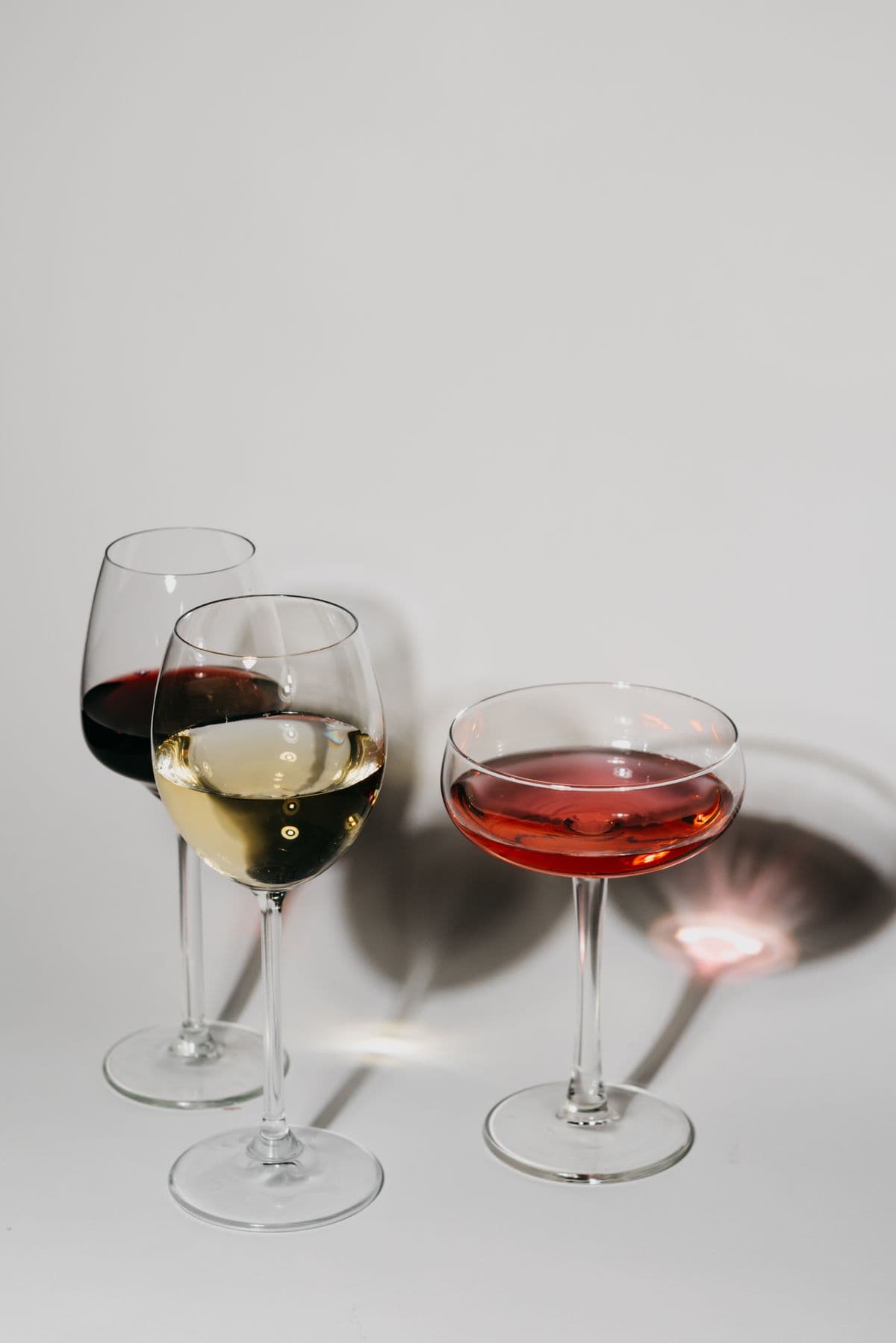
Why "moderate drinking is good for the heart" is a misleading conclusion
The claim "a glass of wine a day is good for the heart" comes largely from OBSERVATIONAL studies — which are prone to confounding. When researchers apply Mendelian randomization (using genetic variants that affect alcohol tolerance to strip out confounders), the "heart-protective" association largely vanishes, with results leaning toward harmless or harmful. A "burden of proof" study in Nature Communications (2024) re-evaluated the link between alcohol and ischemic heart disease and concluded the evidence is WEAK — not strong enough to assert that alcohol protects the heart (Nature Communications, 2024).
A core reason for the misconception is the "sick quitter" bias. In many studies, the "non-drinker" comparison group mixes together both lifelong abstainers and people who quit drinking BECAUSE they were already ill. This makes the non-drinking group look artificially "sicker" — and as a result, the light/moderate drinkers appear "healthier" not because alcohol protected them, but because the yardstick they were measured against had its risk inflated from the start.
Once these biases are corrected, the picture flips. The Global Burden of Disease 2020 analysis published in The Lancet (July 2022) concluded that for young adults aged 15–39, there is NO health benefit from drinking alcohol — only risk. The same study noted a possible small benefit for cardiovascular disease, stroke and diabetes in people over 40 drinking very small amounts — but the authors stressed this point remains CONTESTED, does not overturn the overall message, and called for age-specific guidelines (The Lancet, 2022). At the policy level, WHO Europe states plainly that no level of alcohol consumption is safe for our health (WHO Europe, 2023).
In short: read the "moderate drinking is good for the heart" message with caution — it rests on confounding-prone methods rather than solid causal evidence. This is a knowledge perspective to understand the science correctly, not encouragement to drink. This content is for readers aged 18 and over; if you drink, drink responsibly, and those who cannot drink can absolutely choose NON-ALCOHOLIC beverages. Read on in this series: Wine & health (/blog/ruou-vang-va-suc-khoe), Wine basics (/blog/tim-hieu-ruou-vang-co-ban), Tasting & appreciating wine (/blog/thuong-thuc-tham-ruou-vang), Old World & New World (/blog/ruou-vang-old-world-new-world), History of wine (/blog/lich-su-ruou-vang).
The liver, the heart, and alcohol's direct harms
The short answer: the liver bears the heaviest direct harm from alcohol, because it is the body's primary site of alcohol metabolism — and the damage comes not from "alcohol itself" but from its toxic metabolic by-products and the inflammation they trigger. As the liver processes ethanol, the molecule is oxidized into acetaldehyde and then into acetic acid, a process that generates large amounts of reactive oxygen species (ROS). Acetaldehyde in particular, when it accumulates, directly attacks the mitochondria and microtubules of liver cells — destroying the cell's energy machinery and its structural scaffolding.
Chronic drinking makes things worse through a self-amplifying mechanism: it increases the activity of the CYP2E1 enzyme, which pushes acetaldehyde levels even higher and drives more severe liver injury. The result is a progression of alcohol-related liver disease that advances in stages — from fatty liver, to steatohepatitis (alcoholic hepatitis), to fibrosis, to cirrhosis, and potentially to liver cancer. Susceptibility to alcohol-related hepatitis and cirrhosis is not the same for everyone: it is also shaped by genetics, sex, diet and co-existing liver disease — which means no individual "safe threshold" can be promised in advance.
Notably, acetaldehyde — that same metabolic by-product of alcohol — is one of the mechanisms by which alcohol causes cancer, linking the story of liver damage to cancer risk more broadly. This is why public-health bodies have grown increasingly unequivocal: WHO Europe states that no level of alcohol consumption is safe for our health (WHO Europe, 2023; Alcohol and cancer fact sheet), and the U.S. Surgeon General has issued an advisory on the link between alcohol and cancer risk (U.S. Surgeon General, HHS, 2025). On the cardiovascular side, the benefits once attributed to red wine are also being seriously re-examined: burden-of-proof analyses find the evidence for "heart protection" far weaker than popular belief holds (Nature Communications, 2024; The Lancet, GBD 2020), and experts note that the so-called "French Paradox" and the role of resveratrol are not a sound basis for drinking for health (Harvard Health; American Society for Nutrition).
Because alcohol is an alcoholic beverage for adults, this content is purely informational — it does not encourage drinking. If you choose to enjoy wine, be 18 or older and drink responsibly; those who cannot drink can perfectly well choose NON-ALCOHOLIC beverages. Read on in the Wine & health series (/blog/ruou-vang-va-suc-khoe), or explore the sensory and cultural foundations in Wine basics (/blog/tim-hieu-ruou-vang-co-ban), Tasting & appreciating wine (/blog/thuong-thuc-tham-ruou-vang), The history of wine (/blog/lich-su-ruou-vang) and Old World & New World (/blog/ruou-vang-old-world-new-world).
A Balanced Conclusion & Responsible Drinking (18+)
The honest answer: according to the current scientific consensus, the healthiest choice for your health is to limit or avoid alcohol. The World Health Organization's European office concluded that no level of alcohol consumption is safe for our health (WHO Europe, 2023). Risk rises with the amount consumed, and for cancer specifically there is no safe threshold — the less you drink, the lower the risk (WHO Europe — Alcohol and cancer; U.S. Surgeon General — Alcohol and Cancer Risk Advisory, 2025).
If you don't drink, don't start drinking for 'health' reasons. The belief that a daily glass of red wine protects the heart is weak and has largely been overturned: recent analyses show the benefits once attributed to alcohol stem mainly from study bias rather than from wine itself (Harvard Health; American Society for Nutrition — The French Paradox; The Lancet — GBD 2020, 2022; Nature Communications — burden of proof study, 2024). This is the honest frame for reading any 'wine is good for you' claim.
So where does wine's value lie? In culture, history and the senses — that is a reason to enjoy it knowledgeably, not a medical reason to drink. If this knowledge dimension interests you, continue with the other articles in this series: History of Wine (/blog/lich-su-ruou-vang), Old World & New World (/blog/ruou-vang-old-world-new-world), Wine Basics (/blog/tim-hieu-ruou-vang-co-ban), Tasting & Appreciating Wine (/blog/thuong-thuc-tham-ruou-vang), and Wine & Health (/blog/ruou-vang-va-suc-khoe).
A final note: all content is intended for people aged 18 and over. Always drink responsibly and never drive after drinking. Those who cannot drink, pregnant women, or people with underlying conditions can choose NON-ALCOHOLIC beverages to fully take part in the cultural experience around the wine table.
Frequently asked questions (FAQ)
Is red wine really good for your heart?
Current evidence does not support treating it as a reason to drink. Most studies behind the 'moderate drinking is good for the heart' idea are observational, and wine drinkers tend to have healthier lifestyles — it is the lifestyle, not the wine, that explains the healthier hearts (Harvard Health, American Society for Nutrition). Mendelian randomization studies show neutral-or-harmful results. The WHO states that no studies demonstrate that the cardiovascular benefits of light/moderate drinking outweigh the cancer risk at the same level of consumption. See also Wine & Health (/blog/ruou-vang-va-suc-khoe).
Is there a safe level of drinking?
Not when it comes to cancer. The WHO Europe statement in The Lancet Public Health (Jan 2023) is explicit: when it comes to alcohol consumption, there is no safe amount that does not affect health, and the evidence shows no threshold at which the carcinogenic effects of alcohol 'switch on'. Risk rises with the amount consumed — the less you drink, the lower the risk.
Does the 'French paradox' prove red wine helps you live longer?
No. The concept emerged in the early 1990s from research by Serge Renaud and Michel de Lorgeril, and was then leveraged by the wine industry for a marketing campaign. In 1999, Malcolm Law and Nicholas Wald argued it may be an 'illusion' caused by statistical distortions (France under-certified heart disease compared with England). What controlled trials actually support is the Mediterranean diet, not red wine itself.
Is the resveratrol in grape skins enough to deliver health benefits?
No. The literature shows no high-quality evidence that resveratrol extends lifespan or has a meaningful effect on any disease in humans. To reach the doses that improved health in mice, a person would have to drink hundreds to thousands of glasses a day — impossible and toxic. One cited estimate: drinking wine for its resveratrol causes roughly 100,000 alcohol-related cancers for every 1 cancer that resveratrol might prevent.
How does alcohol affect the liver?
The liver is the main site of alcohol metabolism and therefore the most vulnerable. Ethanol is oxidized into acetaldehyde and acetic acid, generating many reactive oxygen species; acetaldehyde directly damages liver-cell mitochondria and microtubules. Chronic drinking increases the CYP2E1 enzyme, pushing acetaldehyde even higher. The usual progression is fatty liver → steatohepatitis → fibrosis → cirrhosis, and possibly liver cancer. Learn the basics at Wine Basics (/blog/tim-hieu-ruou-vang-co-ban).
If you don't drink, should you start for health reasons?
No. The current scientific consensus is that the healthiest choice is to limit or avoid alcohol; the evidence for health benefits is weak and largely debunked. Wine still holds cultural, historical and sensory value — that is the frame for informed appreciation, not a medical reason to drink. This content is for people aged 18 and over only; always drink responsibly and never drive after drinking; those who cannot drink, pregnant women, or people with underlying conditions can choose NON-ALCOHOLIC beverages. See also History of Wine (/blog/lich-su-ruou-vang), Old World & New World (/blog/ruou-vang-old-world-new-world) and Tasting & Appreciating Wine (/blog/thuong-thuc-tham-ruou-vang).
References
WHO Europe — No level of alcohol consumption is safe for our health (2023) — https://www.who.int/europe/news/item/04-01-2023-no-level-of-alcohol-consumption-is-safe-for-our-health
WHO Europe — Alcohol and cancer (fact sheet) — https://www.who.int/europe/news-room/fact-sheets/item/alcohol-and-cancer
U.S. Surgeon General — Alcohol and Cancer Risk Advisory (HHS, 2025) — https://www.hhs.gov/surgeongeneral/reports-and-publications/alcohol-cancer/index.html
The Lancet — Alcohol use and health (GBD 2020, July 2022) — https://www.thelancet.com/journals/lancet/article/PIIS0140-6736(22)02124-9/fulltext
Harvard Health — Is red wine actually good for your heart? — https://www.health.harvard.edu/blog/is-red-wine-good-actually-for-your-heart-2018021913285
American Society for Nutrition — The French Paradox: Was it Really the Wine? — https://nutrition.org/french-paradox-really-wine/
Resveratrol — Wikipedia (evidence overview) — https://en.wikipedia.org/wiki/Resveratrol
Nature Communications — A burden of proof study on alcohol consumption and ischemic heart disease (2024) — https://www.nature.com/articles/s41467-024-47632-7



Planning an event?
Get a free quote
Tell us about your event and our team will recommend the right package and send a detailed quote — no commitment.