The bartending craft
Bar Syrups: Common Types & How to Make Them at Your Station
Bartender.com.vn · 17/07/2026 · 9 min read
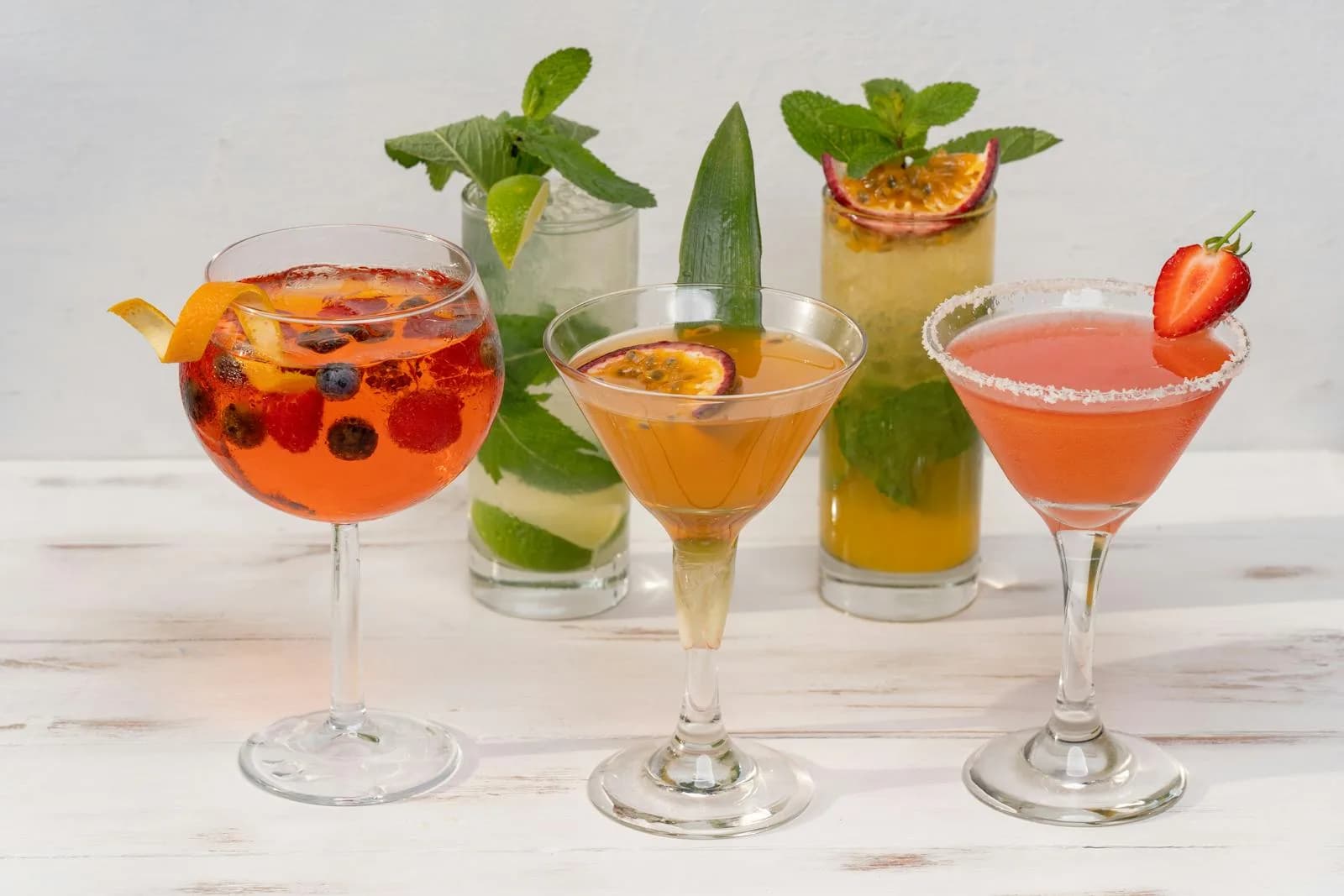
Syrup (sugar syrup) is the base sweetener behind nearly every mixed drink. This guide explains how 1:1 simple syrup differs from 2:1 rich syrup, how to cook it step by step, how to make fruit and herb syrups, plus correct storage and shelf life (with sources).
What bar syrup is and why every station needs it
Bar syrup (also called sugar syrup or simple syrup) is sugar dissolved in water, used as a liquid sweetener for drinks. It is a NON-alcoholic ingredient, safe, and found at nearly every bar, coffee shop, and tea stand.
Bartenders use syrup instead of granulated sugar for a practical reason: sugar granules do not fully dissolve in cold drinks, leaving grit at the bottom and uneven sweetness. Syrup is already liquid, so it blends instantly, lets you measure precisely in millilitres, and delivers a consistent drink from the first glass to the last.
Beyond sweetening, syrup is the backbone of flavour. From a plain white sugar syrup base you can create ginger, lemongrass, mint, or passion fruit syrups to give your menu its own identity without relying on bottled commercial syrups.
How simple syrup (1:1) differs from rich syrup (2:1)
There are two base ratios to memorise: simple syrup at 1:1 (one part sugar, one part water) and rich syrup at 2:1 (two parts sugar, one part water). These ratios are by weight, not volume.
The core difference is sweetness and body. A 2:1 rich syrup is more concentrated, so it is sweeter per unit of volume and gives a thicker, silkier mouthfeel; per A Bar Above, when swapping simple for rich syrup you use only about two-thirds the amount to keep the same sweetness.
The second key difference is shelf life: the higher the sugar concentration, the harder it is for microbes to grow. So 2:1 rich syrup keeps far longer than 1:1 simple syrup — details in the table and the storage section below.
Which to choose? A 1:1 white base suits most fruity, sweet-sour mocktails because it is easy to balance. A 2:1 rich syrup suits drinks you want to feel fuller, or when you want to extend the shelf life of a batch.
| Syrup type | Sugar:water ratio | Characteristics / uses |
|---|---|---|
| Simple syrup (white sugar syrup) | 1:1 (by weight) | Moderately sweet, thin, easy to balance; base for sweet-sour mocktails, fruit tea, iced coffee |
| Rich syrup | 2:1 (by weight) | Very sweet, thick silky body, keeps longer; use about 2/3 the amount of simple syrup |
| Rock sugar syrup | 500g rock sugar : ~450ml water + a little lemon | Cleaner, lighter sweetness; suits tea and delicate drinks (source: Ly Pham) |
| Ginger syrup | 1:1 sugar:water + ginger juice | Warm, mildly spicy; base for refreshing mocktails, iced ginger drinks |
| Herb syrup (lemongrass, mint) | 1:1 then infuse leaves/stalks | Fresh aroma; adds a fragrance layer to mocktails and tea |
| Fruit syrup (passion fruit...) | Fruit juice : sugar syrup 1:1 | Natural sweet-sour, nice colour; base for soda and fruit mocktails |
How to make simple syrup step by step
The most reliable method is heating. Weigh sugar and water separately to your target ratio (e.g. 500g sugar : 500g water for 1:1). A Bar Above notes a common mistake: weigh sugar and water SEPARATELY, because measuring them together in one cup skews the ratio due to air gaps between sugar granules.
Step 1: Put sugar and water in a saucepan over medium heat and stir until the sugar fully dissolves. Step 2: Once the mix turns clear and warm (no need for a hard boil), turn off the heat immediately — over-boiling evaporates water and throws off the ratio. Step 3: Cool completely, then pour into a clean, sterilised glass bottle and seal tightly.
At shop scale, Vietnamese sources such as Namas and Ly Pham commonly use a weight ratio of about 1kg sugar : 600–700ml boiling water, stirred until dissolved, cooled, and stored in a sealed bottle. If you prefer no stovetop, you can dissolve sugar in very hot water by stirring (or blending) until 100% dissolved, but heating still gives the clearest, most stable result.
Tip: use filtered water rather than hard water to reduce sugar re-crystallising after a few days.
Fruit and herb syrups: ginger, lemongrass, mint, passion fruit
Once you have the simple syrup base, you can branch into flavoured syrups. The general principle: either cook the sugar-water then infuse or juice in the flavouring, or blend fruit juice with pre-made sugar syrup.
Ginger syrup: per Moody Mixologist, a popular formula is 1 part sugar : 1 part water plus about 1/4 part ginger juice (or simmer 1–2 pieces of ginger 7–10cm long with the sugar-water, then strain). Note: do not leave the ginger solids in the syrup for more than 48 hours, as it shortens shelf life.
Herb syrup (lemongrass, mint): make a 1:1 simple syrup, let it cool a little, then drop in mint leaves or bruised lemongrass and infuse for about 10 minutes before straining. Infusing too long or at too high a temperature can make mint harsh or bitter.
Fruit syrup (passion fruit, strawberry, mango...): a simple Vietnamese method is to blend fruit juice with sugar syrup at a 1:1 ratio, adjusted to each fruit's acidity. Fruit syrup contains pulp and natural acids, so it has a shorter shelf life than white sugar syrup — always refrigerate and use quickly.
Storage and shelf life (with sources)
Shelf life depends mainly on sugar concentration and storage temperature. Per A Bar Above, refrigerated 1:1 simple syrup keeps about 1 month, while 2:1 rich syrup keeps up to about 6 months thanks to its high sugar acting as a natural preservative.
Vietnamese sources (Namas, Ly Pham) recommend that white sugar syrup kept at room temperature in a sealed bottle be used within about 1–2 weeks, and longer when refrigerated. Namas stresses using it within 1 week for best flavour. The gap between foreign and Vietnamese figures comes largely from temperature (fridge vs room) and how well containers are sterilised.
Safety rules: always use clean, sterilised, tightly sealed glass bottles; prefer refrigeration; and discard immediately if the syrup turns cloudy, foamy, mouldy, or smells sour/fermented. Fruit and herb syrups always keep for less time than plain white sugar syrup.
On extending shelf life: some Western sources note that a little vodka can significantly prolong storage. However, that is an alcoholic ingredient — for a NON-alcoholic drinks library, the better approach is to choose the rich 2:1 ratio and refrigerate rather than add spirits.
| Syrup type | Storage condition | Reference shelf life |
|---|---|---|
| Simple syrup 1:1 | Refrigerated, sealed sterile bottle | ~1 month (A Bar Above) |
| Rich syrup 2:1 | Refrigerated, sealed sterile bottle | ~6 months (A Bar Above) |
| White sugar syrup | Room temperature, sealed bottle | ~1–2 weeks (Namas, Ly Pham) |
| Ginger / herb syrup | Refrigerated, sealed bottle | ~2 weeks (Moody Mixologist) |
| Fruit syrup | Refrigerated, sealed bottle | Shorter than sugar syrup; use quickly |
Using syrup in mocktails and drinks
Syrup is the balancing link in almost every recipe. In sweet-sour drinks it offsets the acidity of lime/kumquat; in iced tea and coffee it sweetens instantly with no grit; in soda it both sweetens and carries fruit or herb aromas.
For mocktails (non-alcoholic mixed drinks), syrup matters even more because it is where you build the main flavour layer. A typical refreshing mocktail combines: a sour element (lime/passion fruit) + syrup for sweetness and aroma + water/soda/tea as the base, balanced to taste. If you are unsure how a mocktail differs from an ordinary drink, see the 'What is a mocktail' article in the Library to grasp the basics before mixing syrups.
Basic mixing principle: start with a small amount of syrup, taste, then add gradually. Sour and sweet must balance — a drink that tastes 'harsh' usually has too much or too little syrup rather than a fault in the main ingredient.
Tips and common mistakes
Mistake 1 — wrong ratio: measuring sugar and water together in one cup skews the result because of air gaps between granules; weigh them separately by mass. Mistake 2 — over-boiling: a long hard boil evaporates water, making the syrup thicker and harsher than intended; turn off the heat as soon as the sugar dissolves.
Mistake 3 — dirty containers: unsterilised bottles are the number-one cause of syrup going mouldy or cloudy fast. Always rinse with boiling water and dry before filling. Mistake 4 — over-infusing: leaving ginger, mint, or citrus peel in the syrup too long (especially ginger beyond 48 hours) shortens shelf life and makes the aroma harsh or bitter.
Operational tip: label each bottle with its cook date, apply first-in first-out, and batch only what you will use within the shelf life instead of cooking oversized batches that go to waste.
Learn bartending properly at Bartender.com.vn
Making your own syrup is a foundational skill, but building a balanced, consistent drinks menu also requires understanding measurement technique, sweet-sour-aroma balance, and hygiene procedures. The bartending courses at Bartender.com.vn are designed to start from these fundamentals, letting you practise hands-on rather than just reading recipes.
If you are building a menu for your venue or want to pursue bartending seriously, explore the other content in the Bartender.com.vn Library and the course pathway to choose the direction that fits your goals.
Frequently asked questions
How do simple syrup and rich syrup differ?
Simple syrup uses a 1:1 sugar:water ratio, rich syrup uses 2:1. Rich syrup is sweeter and thicker and keeps longer; when substituting, use only about two-thirds the amount of simple syrup (source: A Bar Above).
How long does bar syrup last?
Per A Bar Above, refrigerated 1:1 simple syrup lasts about 1 month and 2:1 rich syrup up to about 6 months. Vietnamese sources advise using room-temperature white sugar syrup within 1–2 weeks. Fruit and herb syrups always keep for less time.
Do I need to refrigerate syrup?
Yes. Refrigeration extends shelf life significantly. Some Vietnamese sources note that refrigerated sugar syrup can thicken — just warm it gently or add a little water to restore it.
How do I know if syrup has gone bad?
Discard immediately if it turns unusually cloudy, foams, shows mould strands, or smells sour/fermented. Use sterilised, tightly sealed glass bottles to prevent early spoilage.
Can I add alcohol to make syrup last longer?
Some Western sources say a little vodka extends shelf life, but the syrup then becomes an alcoholic ingredient. For non-alcoholic drinks, choose the rich 2:1 ratio and refrigerate instead of adding spirits.
References
A Bar Above — Simple Syrup Guide (1:1 and 2:1 ratios, shelf life, method) — https://abarabove.com/simple-syrup/
Moody Mixologist — Ginger Simple Syrup Recipe (ginger syrup formula and shelf life) — https://www.moodymixologist.com/blog/ginger-simple-syrup-recipe-for-cocktails-and-mocktails
Namas — Guide to making bar sugar syrup (ratios and storage, Vietnamese source) — https://namas.vn/huong-dan-lam-syrup-duong-pha-che/
Ly Pham — How to cook bar sugar syrup (ratios, rock sugar, storage, Vietnamese source) — https://lypham.vn/cach-nau-nuoc-duong/
Planning an event?
Get a free quote
Tell us about your event and our team will recommend the right package and send a detailed quote — no commitment.