The bartending craft
What Is a Mocktail? The Rise of Alcohol-Free Drinks & Popular Ideas
Bartender.com.vn · 17/07/2026 · 9 min read
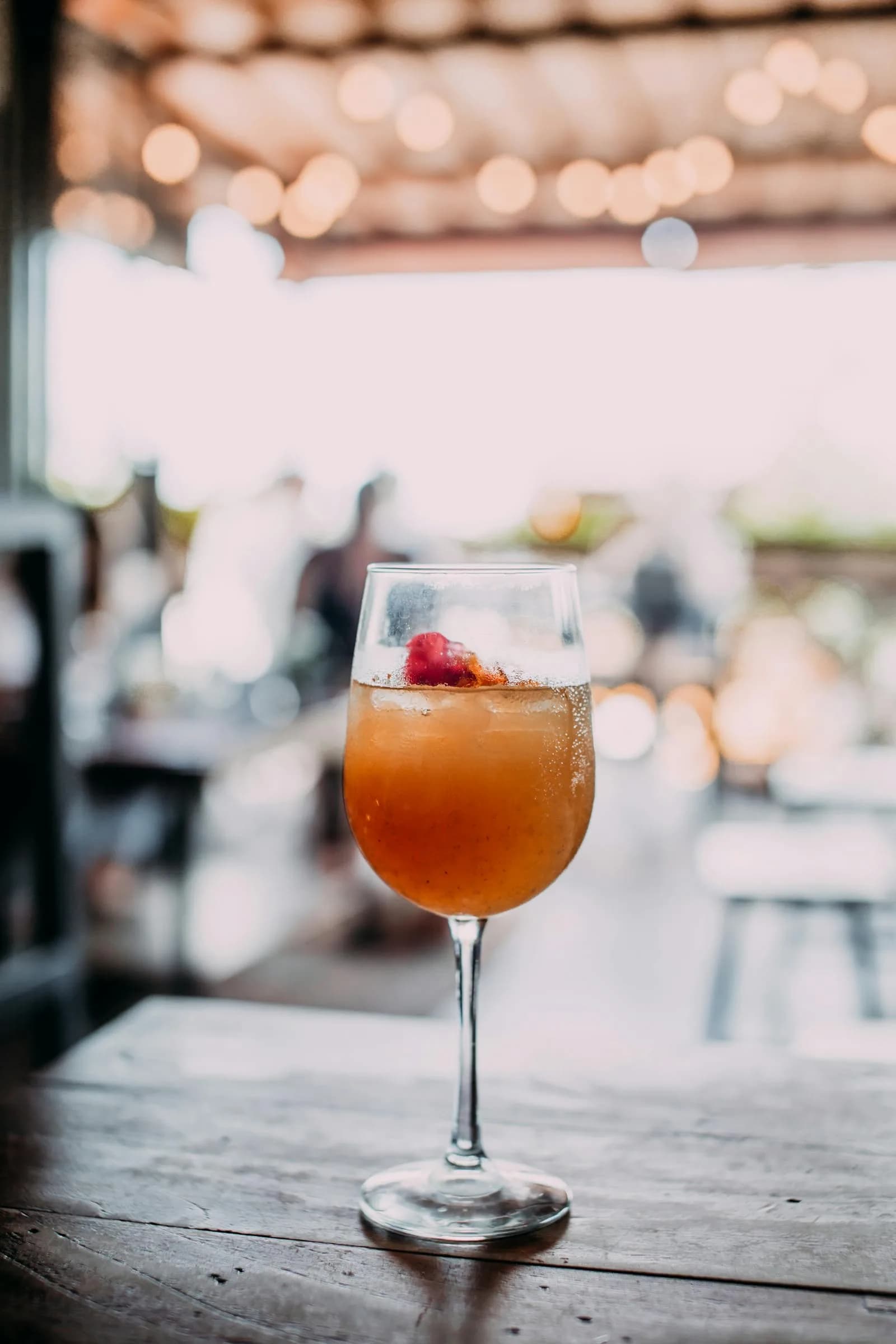
A mocktail is the alcohol-free version of a cocktail — a colorful mixed drink safe for all ages. Explore the origin of the name, how it differs from a cocktail, why it is booming (the sober-curious wave), and the popular mocktail families for your bar.
What is a mocktail?
A mocktail is a mixed drink with NO ALCOHOL (0% ABV) — in short, the alcohol-free version of a cocktail. Instead of an alcoholic base, a mocktail combines fresh fruit juice, syrups, soda, herbs, tea, milk and seasonings to create a colorful, multi-layered drink that is safe to enjoy.
Because it contains no alcohol at all, a mocktail suits nearly every age and occasion: children, pregnant women, people who are driving, those on a diet, or anyone who simply does not want to drink alcohol. This is what makes mocktails a popular choice at bars, restaurants, weddings and events.
Visually, a well-made mocktail looks no different from a cocktail: a nice glass, ice, and eye-catching garnish. This care in mixing and presentation has moved the mocktail beyond 'diluted juice' into a branch of the bartending craft in its own right.
The origin of the name 'mocktail'
The word 'mocktail' combines two English words: 'mock' (to imitate) and 'cocktail' (a mixed drink). Together, mocktail means 'a drink that imitates a cocktail' — borrowing the look, technique and finesse of a cocktail while leaving out the alcohol.
Historically, the idea of alcohol-free mixed drinks appeared long ago. According to Sober Powered, such drinks were popular during the temperance movement around 1917 and the Prohibition era of the 1920s in the U.S., when people wanted to blend into gatherings without alcohol. English dictionaries record the word 'mocktail' appearing fairly early in the 20th century.
Even so, the name 'mocktail' only became truly familiar from the 1970s–2000s, when bars used it for alcohol-free versions of classic mixed drinks. Since then, mocktails have been continually elevated into 'gourmet' beverages with layered, refined flavors rivaling their alcoholic counterparts.
How does a mocktail differ from a cocktail?
The core difference is simple: cocktails contain alcohol, mocktails do not. Here we speak only at the concept level — a cocktail uses an alcoholic mixing base combined with supporting ingredients, while a mocktail replaces that part entirely with non-alcoholic ingredients such as juice, syrup and soda.
The alcohol difference brings a chain of differences in who drinks it, safety while driving, and taste. The table below summarizes the key distinctions.
| Criteria | Cocktail | Mocktail |
|---|---|---|
| Alcohol | Contains alcohol (alcoholic mixing base) | No alcohol (0%) |
| Audience | Adults of legal age | All ages, including children and pregnant women |
| When driving | Not suitable | Safe, does not affect blood alcohol |
| Main flavor base | Flavor from an alcoholic base plus mixers | Juice, syrup, soda, herbs, fruit |
| Technique | Shake, stir, build, layer | Similar, but mind carbonated and dairy ingredients |
| Calories | Usually higher due to alcohol | Usually lower, depending on added sugar |
Why are mocktails on the rise?
Mocktails are booming thanks to the 'sober-curious' wave — a trend of deliberately drinking less or no alcohol for health, rather than abstaining out of necessity. This is no longer a niche phenomenon but a clear consumer habit in many markets.
According to a Circana survey (U.S., 2025), nearly half (49%) of Americans are trying to drink less alcohol in 2025 — a 44% increase over 2023. Among Gen Z the trend is even stronger: about 65% plan to drink less in 2025 and 41% want to try sober bars. In the same period, non-alcoholic beer sales in the U.S. rose 22% (from December 2023 to November 2024).
Several drivers sit behind these numbers. First, physical and mental health: alcohol-free drinks avoid the harms of alcohol, are usually lower in calories, and cause no intoxication. Second, road safety: drivers can raise a glass freely without worrying about blood alcohol. Third, inclusivity — mocktails let everyone at the table enjoy a beautiful drink, whether or not they drink alcohol.
For owners, mocktails are a real revenue opportunity: an alcohol-free menu widens the customer base (non-drinkers, families, drivers), raises the value per table, and adds a creative highlight to the brand.
Popular mocktail families
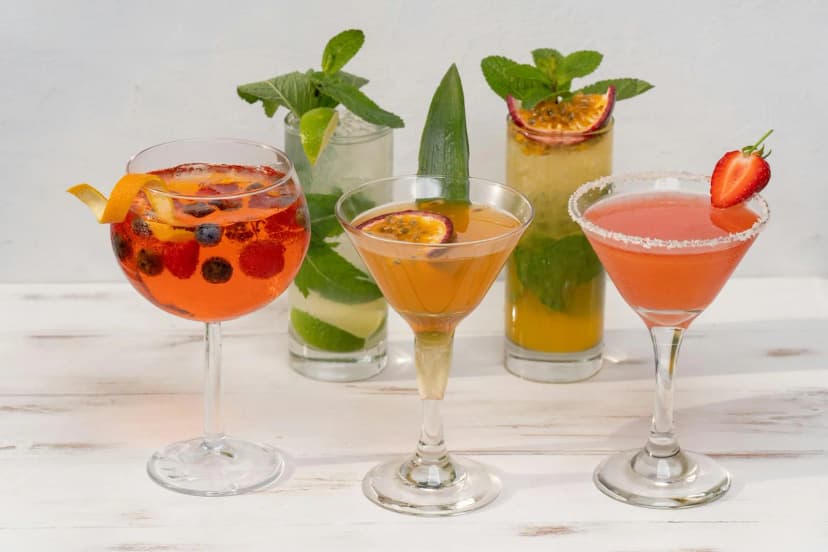
Mocktails are highly varied, but they can be grouped into a few large families by dominant flavor and ingredients. Knowing these groups helps you design a balanced menu without repeating flavors and makes it easier to advise customers.
Besides grouping by flavor, bartenders also classify by serving moment: the pre-meal group is usually lightly sour to stimulate the palate (from orange, grapefruit), while the post-meal group is sweeter and creamier for dessert and digestion. The table below summarizes common mocktail families.
| Mocktail family | Characteristics | Main ingredients |
|---|---|---|
| Fruity | Fresh, balanced sweet-sour, easy to drink | Orange/pineapple/strawberry juice, fruit syrup, lime |
| Sparkling | Refreshing, fizzy, thirst-quenching | Soda, tonic, carbonated water, orange/lime slices |
| Virgin (alcohol-free) | Mimics a classic mixed drink minus the alcohol | Mint, lime, sugar, soda (e.g. virgin mojito) |
| Creamy | Rich, mildly sweet, good for dessert | Milk, cream, coconut cream, pineapple (e.g. virgin piña colada) |
| Herbal | Light, aromatic, refined | Mint, rosemary, lemongrass, ginger, honey |
Ingredients & techniques for a great mocktail
A great mocktail rests on flavor balance: sour, sweet, bitter and aromatic must blend rather than overpower. Sourness usually comes from lime, orange or passion fruit; sweetness from syrup and juice; a touch of bitterness or tannin from tonic, tea or orange peel gives the drink depth instead of cloying sweetness. This 'sour – sweet – bitter' balance is the secret to a mocktail that never gets boring.
Syrup is the backbone of sweetness and color. You can learn more in the library's 'Pha chế syrup' (Bartending syrups) article on how to choose and cook your own syrup (sugar, fruit, herbs) at the right strength. Using syrup instead of pouring sugar directly makes ingredients dissolve evenly, smooths the taste and gives better control over sweetness.
On technique, mocktails share the same actions as cocktails: shake (to blend and chill), stir, build (pour directly into the glass) and layer (stacking colors). One important note: do not shake or stir carbonated ingredients vigorously as they overflow and lose their fizz; and avoid mixing milk with overly sour juice as it can curdle.
Finally, do not skip garnishing. A garnish (a decoration such as an orange slice, mint sprig, or a salt/sugar rim) adds both beauty and aroma. If you are unclear on this, read the library's 'Garnish là gì' (What is a garnish) article to learn how to choose and shape decorations for each type of drink.
A few mocktail ideas for your bar
If you are building an alcohol-free menu, start with a few familiar names that are easy to make and easy to sell. Virgin Mojito is a classic pick: mint, lime, sugar and soda for a cool, refreshing bite — perfect for hot weather and widely loved.
Tropical fruit blends are always safe: a mix of orange – pineapple – lime juice with a splash of grenadine for a beautiful color gradient (Cinderella style) suits both adults and children. For guests who love a rich, dessert-like taste, a Virgin Piña Colada of pineapple, coconut cream and milk will score points.
Do not forget the refreshing 'sparkling' group: soda or tonic mixed with herbal syrup (ginger, lemongrass, mint) and an orange slice feels premium at a low ingredient cost. These are concept-level ideas — when you roll them out, standardize the measurements so every glass is consistent in taste and color.
Learn to make mocktails with Bartender.com.vn
Mocktails look simple, but making them tasty, consistent and professionally presented requires solid technique: balancing flavors, using tools, cooking syrup, crafting garnishes and standardizing recipes. This is exactly what the Bartender.com.vn library and bartending courses aim at.
If you want to pursue bartending or confidently launch a drinks menu for your venue, explore the knowledge articles in the library and the Bartender.com.vn bartending training program. You will move from basic concepts to hands-on technique, menu building, and mastering the rising category of alcohol-free drinks.
Frequently asked questions
Does a mocktail contain alcohol?
No. A mocktail is completely alcohol-free (0%), so it is safe for all ages, including children, pregnant women and people who are driving.
How is a mocktail different from a cocktail?
The core difference is that cocktails contain alcohol while mocktails do not. A mocktail replaces the alcoholic base with juice, syrup, soda and herbs, but still uses similar mixing techniques and presentation.
Are mocktails good for your health?
Mocktails avoid the harms of alcohol and are usually lower in calories than alcoholic drinks. However, how 'healthy' they are depends on the added sugar and syrup, so you can reduce sweetness for a lighter option.
Why are mocktails increasingly popular?
Thanks to the sober-curious wave (deliberately drinking less alcohol). The Circana 2025 survey found about 49% of Americans want to drink less, and Gen Z is especially interested in alcohol-free drinks.
Which mocktail should a beginner start with?
Start with easy ones like a Virgin Mojito or a fruit mocktail (orange – pineapple – lime). They use few ingredients, are easy to balance, and help you get used to shaking, building and garnishing.
References
Circana — Sober Curious Nation & Beverage Trends 2025 — https://www.circana.com/post/sober-curious-nation-alcohol-survey
Sober Powered — History and Benefits of Mocktails — https://www.soberpowered.com/getting-started-blog/history-and-benefits-of-mocktails
Saigontourist (Vietnamese) — What is a mocktail? — https://saigontourist.edu.vn/mocktail-la-gi.html
Hoteljob (Vietnamese) — What is a mocktail? Popular types — https://www.hoteljob.vn/tin-tuc/mocktail-la-gi-mot-so-loai-mocktail-pho-bien-ban-can-biet
Planning an event?
Get a free quote
Tell us about your event and our team will recommend the right package and send a detailed quote — no commitment.