The bartending craft
What Is a Signature Drink & How to Build a Signature Menu
Bartender.com.vn · 17/07/2026 · 10 min read
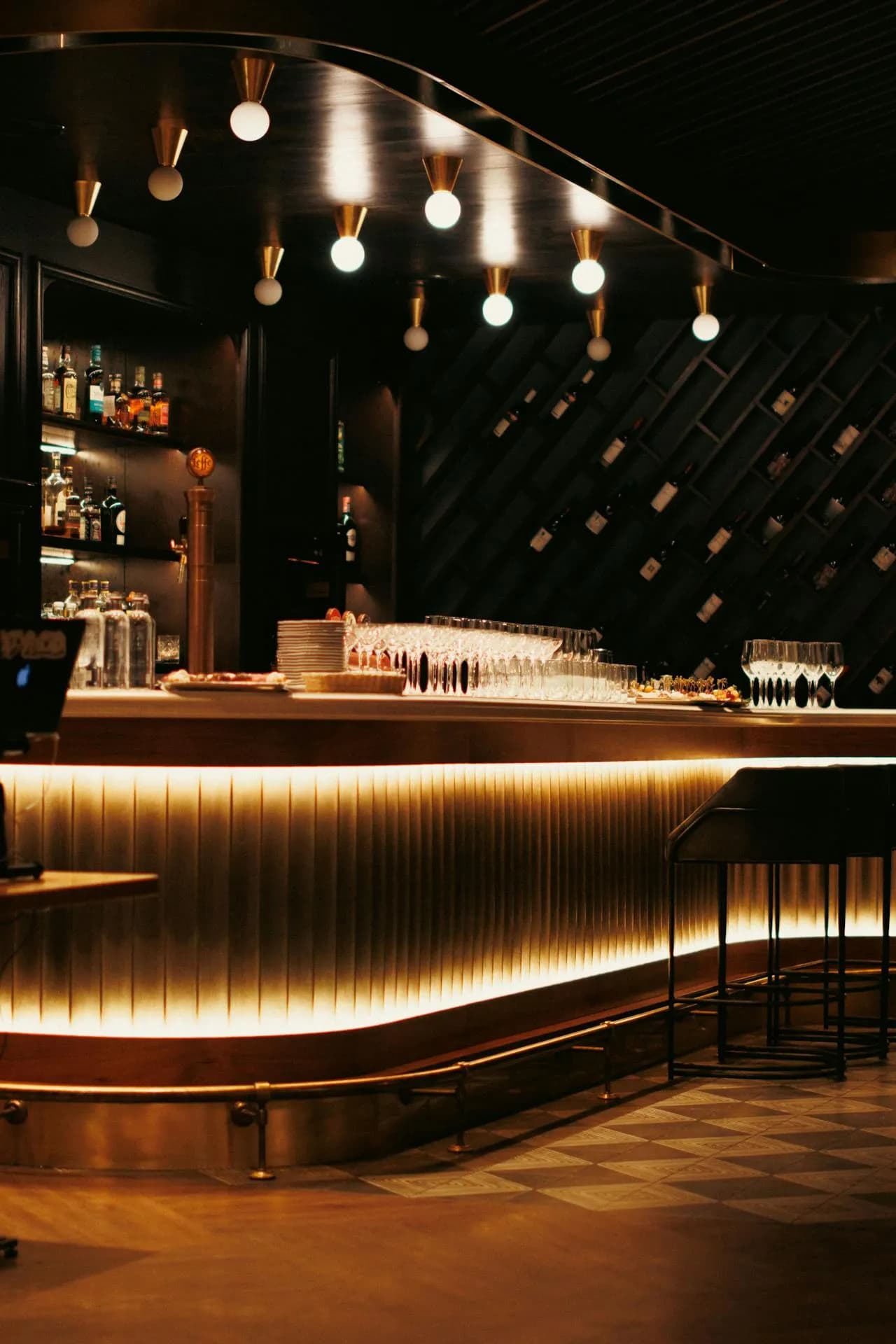
A signature drink is a bar's or bartender's own distinctive beverage that you cannot find anywhere else. This article explains what it really is, why your venue needs one, and a step-by-step process to build a signature menu that builds your brand and protects your margins.
What is a signature drink?
A signature drink is a beverage that belongs to one specific bar or bartender, created so that it cannot be found anywhere else. In short: it is the drink that, when mentioned, makes customers think of your venue rather than a generic recipe available everywhere.
Unlike classic drinks that have been standardized and sold everywhere, a signature drink is the result of intentional creativity: picking a core ingredient, balancing flavor to the venue's taste, designing a presentation and giving it its own name. It can be a cocktail, a mocktail (non-alcoholic drink) or another special beverage, as long as it carries a mark that cannot be copied.
Within Vietnam's advertising regulations, this article focuses on menu thinking, brand building and pricing, with examples leaning toward local ingredients and non-alcoholic signature drinks — something every venue can do, even those that do not serve high-strength alcohol.
Why does your venue need a signature drink?
A signature drink does three things a menu of copied generic recipes cannot: it builds brand recognition, lifts profit margins, and creates competitive differentiation. This is why venues of every size should own at least one drink of their own.
On branding: a distinctive drink gives customers a concrete reason to return and to recommend you, turning a drinking experience into a story worth retelling. On profit: because the drink is exclusive, customers cannot easily compare its price elsewhere, giving you reasonable room to price higher while remaining accepted.
On competition: when a street has ten venues selling near-identical drinks, what keeps customers at yours is often the drink they cannot find at the other nine. A tight signature list — usually 8 to 15 drinks — also reduces decision fatigue, speeds up ordering, and steers guests toward higher-margin choices.
Principles for building a good signature drink
A good signature drink is not the most complex one, but the one that balances a distinctive identity with everyday serviceability. The core principles from international professionals are consistent: start from a star ingredient, keep the recipe simple (usually no more than five ingredients), and let the drink reflect the venue's identity.
Simple does not mean bland. Many beloved classics have only three ingredients — the sophistication lies in balanced ratios, not the number of components. For a venue, simplicity is also an operational matter: fewer ingredients mean faster pours, leaner inventory, and consistent replication every time — critical when a drink sells fast at peak hours.
Prioritizing local ingredients is a double advantage: it builds a story tied to the locality while making supply and cost easier to control. A seasonal fruit, a familiar aromatic herb, a house-made syrup — these are the materials for a never-before-tasted flavor that rivals struggle to imitate. The table below summarizes the criteria to score a signature idea before putting it on the menu.
Two technical details often underrated but decisive for the finish are the garnish and the base sweetener. See our internal articles What Is a Garnish for the role of garnish in a drink's identity, and Bartending Syrups to standardize house syrups — both make your signature drink more consistent and harder to copy.
| Criterion | Why it matters | Quick check |
|---|---|---|
| Recognizable | Customers remember and retell it | Can be described in a single sentence |
| Balanced flavor | Guests finish the glass without fatigue | Blind-taste with 5–7 customers |
| Stable ingredients | Replicable identically every service | Year-round supply, standardized ratios |
| Easy to scale | Bartenders keep up at peak hours | No more than 5 ingredients, under 90 sec/glass |
| Healthy margin | Covers the venue's running costs | Ingredient cost within 18–24% of price |
| Tied to concept | Reinforces overall branding | Fits the space, music and food |
Pricing & ingredient costing (principles)
The common industry pricing principle is to keep pour cost — ingredient cost as a share of selling price — within 18% to 24%. That means if one glass costs X in ingredients, a reasonable price usually lands at 4 to 6 times X, depending on segment and location. This is a reference principle, not a fixed number.
The most common mistake is counting only the main ingredient while forgetting the small costs: garnish fruit, house syrup, herbs, ice, and losses from over-pouring or spillage. Every lime slice and mint sprig is money — omitting them makes your real margin lower than you think. Cost each glass by standard measures, do not estimate.
Signature drinks often carry a higher pour cost than simple ones because they use fresh juice, house syrup or special glassware and take more bartender time. That is acceptable, as long as you price to cover it and balance the menu: a few high pour-cost drinks for identity, alongside many low pour-cost drinks presented with skill to lift the overall margin. Review costs at least quarterly, or monthly when ingredient prices swing sharply.
Naming & storytelling the drink
A good name is free marketing. The general professional advice: choose a name that is easy to say, short, with few words, and that reinforces the venue's story or mission. A hard-to-pronounce name makes customers reluctant to order and unable to retell it to friends.
The name and story should stem from the ingredient or the venue concept itself, not be forced for flair. If the drink uses a local fruit, let the name evoke that place; if the venue follows a music or film theme, name drinks along that thread so the whole menu reads as one story.
Do not forget the menu description. One or two short lines about the flavor and the inspiration behind the drink can spark curiosity and push guests toward the choice you want to sell. Combined with placing signature drinks in prominent spots — usually the top of each group — you guide ordering behavior without pressure.
Common mistakes
Mistake number one is making the menu too long and too complex. A thirty-item signature menu sounds impressive but in reality slows bartenders, bloats inventory, produces uneven quality and confuses guests. A tight list where each drink is done well always beats a long, mediocre one.
Mistake number two is chasing trends while ignoring operations and identity. A drink that looks great online but takes five minutes to make and uses hard-to-source imported ingredients will kill service speed and consistency. Always ask: can this be replicated identically, is the supply sustainable, and does it truly fit the venue.
Mistake number three is not measuring. If you do not track which drinks sell and which stall, you will keep drinks that only look good on the menu but nobody orders. Treat the menu as a living portfolio: keep the performers, boldly cut the weak, and rotate seasonally so regulars always have something new to try.
Frequently asked questions
Must a signature drink contain alcohol?
No. A mocktail or non-alcoholic drink can absolutely be a signature, and is often a smart choice because it serves non-drinking guests too, is easy to build around local ingredients, and avoids the regulations tied to advertising alcoholic beverages.
Should a small, low-capital venue make a signature?
Yes, and usually one drink is enough. A single distinctive drink done really well, using reasonably priced local ingredients, can become the reason customers remember and return — far more effective than copying a long menu of generic drinks.
How many signature drinks should a menu have?
There is no absolute number, but many sources suggest keeping the list tight, around 8 to 15 drinks, so guests can choose easily and the bar runs smoothly. More important than quantity is that every drink pours consistently and has a clear margin.
How do I price a signature drink correctly?
A reference principle is to keep ingredient cost within 18–24% of the selling price, i.e. selling at roughly 4–6 times cost, after including garnish, syrup, ice and losses. Review it quarterly as ingredient prices change.
How do I make the drink identical every time?
Standardize the recipe into a spec that states the exact measure of each component, standardize the syrup and garnish, then train all bartenders to pour to that spec. This is the condition for a signature drink to keep its reputation at high volume.
Learn bartending properly with Bartender.com.vn
Building a stable signature menu requires a solid technical foundation: flavor balancing, standardized measures, making syrups, handling ingredients and presentation. The bartending courses at Bartender.com.vn are designed to equip exactly these fundamentals, so you can move beyond following ready-made recipes to creating your own drinks.
If you are a venue owner or bartender looking to build your own identity, explore a suitable learning path and combine it with the knowledge articles in the Bartender.com.vn Library — from garnish techniques and syrup making to menu-building thinking — to turn an idea into a signature drink that truly sells.
References
Tales of the Cocktail Foundation — https://talesofthecocktail.org/create-your-signature-cocktail/
Sculpture Hospitality (Cocktail Costing Formula) — https://www.sculpturehospitality.com/blog/cocktail-costing-formula-how-to-set-cocktail-prices-for-your-bar
Toast POS (Bar Menu Pricing Strategy) — https://pos.toasttab.com/blog/on-the-line/bar-menu-pricing
Loveramics Vietnam (Signature Drink) — https://loveramics.vn/blogs/news/signature-drink-bieu-tuong-cua-su-sang-tao-va-dang-cap-trong-the-gio
Day Pha Che (Building a cocktail menu) — https://dayphache.edu.vn/cach-xay-dung-menu-cocktail
Planning an event?
Get a free quote
Tell us about your event and our team will recommend the right package and send a detailed quote — no commitment.