The bartending craft
What Is a Garnish? The Art of Decorating Drinks & Basic Techniques
Bartender.com.vn · 17/07/2026 · 9 min read
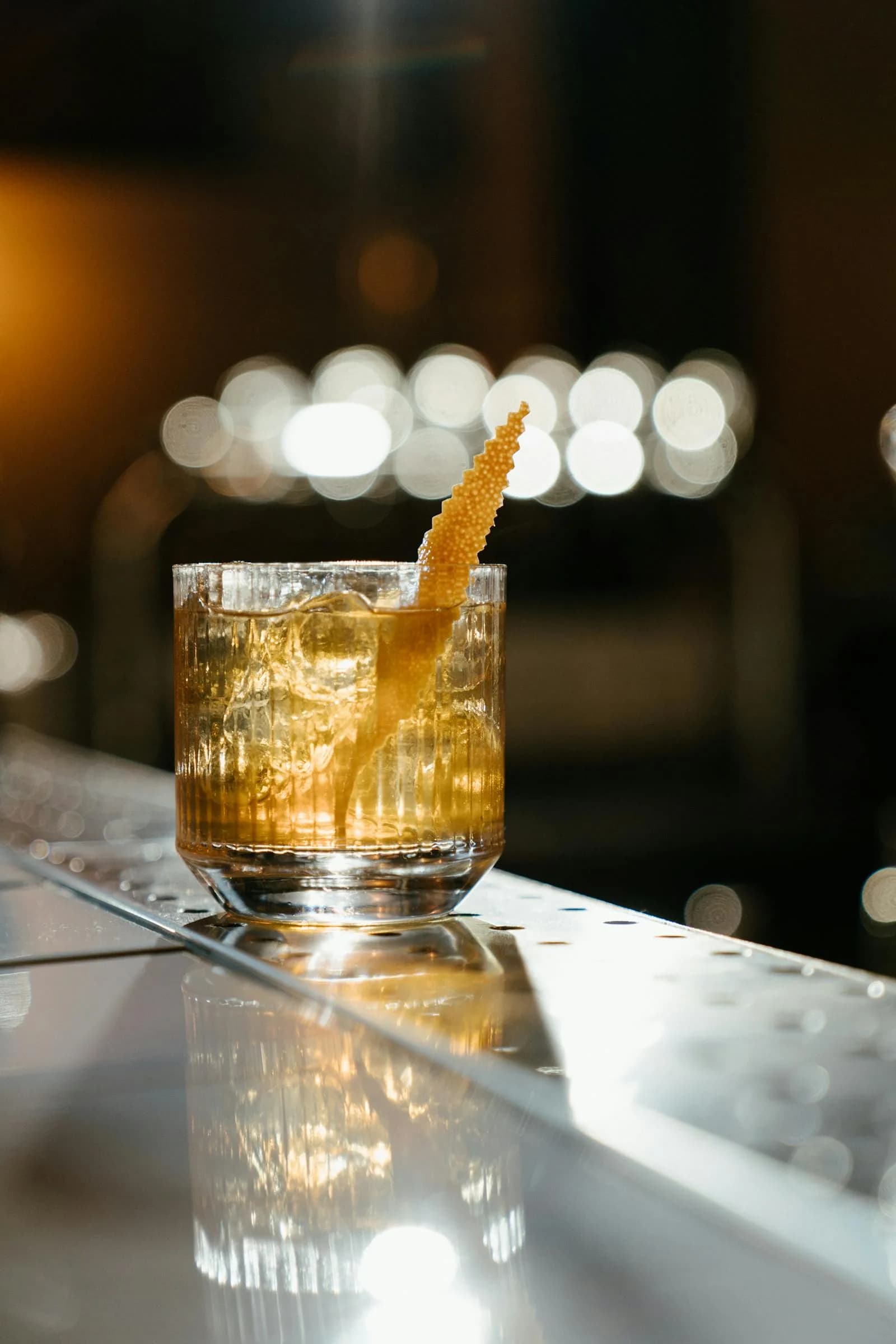
A garnish is an edible decoration placed on or in a drink. Learn its roles, the common types, how to cut a twist, express citrus oils, rim a glass, and the food-safety rules behind it.
What is a garnish?
A garnish is an edible decoration (or one safe to touch a drink) placed on the rim of a glass, dropped into it, or attached to its side to finish a beverage. It could be a lemon slice, an orange twist, a few mint leaves, a salt rim, or a fruit skewer. In essence, a garnish is the final step that turns a mixed drink into a deliberate product in terms of look, aroma, and experience.
The key point to remember: a garnish is not just about looks. A properly expressed orange twist adds real aroma to the glass; a thin cucumber slice both decorates and hints at a fresh taste. That is why garnishes are always chosen for a reason, never placed at random.
Garnishes apply to both alcoholic and non-alcoholic drinks. On sodas, fruit teas, juices, or mocktails, the techniques are identical, making this a foundational skill anyone learning to mix drinks needs to master.
The roles of a garnish: sight, aroma, and taste signals
A garnish works on three sensory channels at once. First is sight: the color and shape of an orange slice, a red berry, or a green mint sprig make a drink eye-catching from the first glance, creating an impression and stimulating the desire to drink.
Second is aroma, the most easily overlooked role. Orange peel, lemon, mint, and rosemary all carry fragrant oils on their surface. When you squeeze or gently slap them above the glass, the aroma rises to the nose as the drink is lifted, enriching the experience before the first sip. Sensory research shows that much of what we call taste actually comes from smell, so a fragrant garnish can change the perception of an entire drink.
Third is a taste signal: the garnish tells the drinker what to expect. A lemon slice suggests fresh sourness, a salt rim suggests saltiness, a mint sprig suggests coolness. This is how a bartender previews the story of a drink, preparing the palate in the right direction.
Common types of garnish
Garnishes are diverse but can be grouped into a few main families: citrus (peel twists, round wheels, wedges), fruits (cherries, berries, fruit skewers), herbs (mint, rosemary), and glass rims (salt, sugar). Each has its own method and suits different types of drinks.
The principle for choosing a garnish is to highlight the dominant flavor and match the glass. Sour drinks call for citrus; fresh drinks call for herbs or cucumber; tall (highball) glasses suit wheels on the rim, while short glasses suit twists or cherries. The table below summarizes the most common types.
Note: the pairing suggestions below use generic drink types (soda, mocktail, tea, juice) so you can apply them to non-alcoholic drinks as well.
| Garnish type | How to make it | Which drinks it suits |
|---|---|---|
| Citrus twist (orange/lemon peel) | Peel a thin strip about 5cm long, avoiding the white pith; squeeze gently above the glass to release the oils, then drop it in or rest it on the rim | Light mocktails, sodas, citrus-flavored drinks, short glasses |
| Wheel | Cut a cross-section of orange/lemon/cucumber 3-5mm thick; notch it to hang on the rim | Tall (highball) glasses, sparkling sodas, fruit teas |
| Wedge | Cut a lemon/orange lengthwise into wedge-shaped segments for the guest to squeeze in | Lemon soda, drinks needing acidity adjustment, iced drinks |
| Cherry / berry | Wash and drain; skewer the cherry or drop berries into the glass or float them | Sweet mocktails, red/pink drinks, dessert drinks |
| Mint leaves | Gently slap a mint sprig in your palm to release the aroma, then place near the straw | Non-alcoholic mojito, mint tea, lemonade, cool mocktails |
| Rosemary sprig | Wash, optionally lightly torch to release aroma, stand it upright as a tall accent | Sparkling drinks, herbal mocktails, festive drinks |
| Salt / sugar rim | Wet the rim with a lemon slice, invert onto a plate of salt or sugar for an even rim | Sour-salty mocktails, blended-ice drinks, sweet-rimmed drinks |
| Fruit skewer | Thread pieces of fruit (pineapple, strawberry, orange) on a pick and rest across the rim | Tropical drinks, punches, fruit mocktails |
Basic techniques: cutting a twist, expressing oils, and rimming a glass
Cutting a citrus twist is the foundational technique. Choose fresh fruit with thick, even peel and wash it. Using a peeler or small knife, take a strip about 5cm long, trying to remove only the colored outer layer and avoiding the white pith inside, which is bitter. The strip can be left straight, wound around a straw for a spiral, or cut into a thin oval depending on style.
Expressing the peel oils is the step that makes the difference. Hold the strip between two fingertips, colored side facing down toward the glass, then bend it sharply and decisively above the drink's surface. A fast motion releases more oil than a slow squeeze; the fine mist of oil settles on the surface, forming a fragrant layer. You can then rub the peel around the rim before dropping it in. This is why a properly made twist both decorates and adds real aroma.
Rimming a glass for a salty or sweet edge: rub a lemon slice around the outer edge of the rim to moisten it, then invert the glass onto a plate of salt or sugar and rotate gently so the rim coats evenly. Only moisten the outer surface so the rim does not fall into the drink and change its taste unintentionally. Tap off the excess to keep the rim thin and neat.
Garnish tools you need
A garnish tool kit does not need to be complex. The basics: a sharp small knife and a clean cutting board dedicated to fruit; a peeler or channel knife for making twists; skewers or picks for cherries and fruit; and tongs to hold garnishes instead of bare hands.
In addition, it helps to have: a multi-compartment garnish tray to keep each type separate, a shallow dish for salt/sugar to rim glasses, and a clean cloth or paper towel to dry fruit after washing. A good peeler and a separate board are enough to make most common garnishes.
If you are just starting, see the article "Basic bartending tool kit" to build the essential foundation first, then add specialized garnish tools as your skills grow.
Hygiene & food safety when making garnishes
Because garnishes touch drinks directly and go to the drinker's mouth, food safety is mandatory, not optional. Fruit must be thoroughly washed before cutting to remove dirt, pesticides, and bacteria on the peel; wash it in a clean prep area, away from any source of contamination.
Preventing cross-contamination is the crux. Research notes that when hands are contaminated, bacteria can transfer to wet garnishes nearly every time, and still transfer to dry garnishes at a significant rate. So use a separate board and knife for garnishes, do not reuse a knife that just cut something else, and give each garnish type its own tongs or picks to avoid cross-use.
Minimize handling garnishes with bare hands; prefer tongs or picks. Garnish trays should be cleaned and sanitized regularly, and leftover garnishes should be discarded at the end of the day rather than kept overnight. Cut garnishes should be refrigerated, covered, and used within a short time to stay fresh and safe.
Garnishes for mocktails and non-alcoholic drinks
For non-alcoholic drinks, the garnish matters even more, as it is the main channel for making a glass feel polished and premium, compensating for the experience alcohol usually brings. A well-garnished mocktail looks as valuable and appealing as a cocktail. If you are unsure how a mocktail differs from a cocktail, see the article "What is a mocktail".
Garnishes that suit mocktails typically include: fresh citrus slices on tall glasses, an expressed orange twist for sodas, a mint sprig for cool drinks, berries and fruit slices for sweet mocktails, a sugar rim for dessert drinks, and cucumber slices for refreshing drinks. All use the same techniques described above.
A small tip: with mocktails, lean on the garnish's aroma to compensate for the lack of alcohol. Expressing orange peel oils or slapping mint to release its scent just before serving makes the drink far more fragrant and lively, creating a strong impression from the first sip.
Learn garnish skills properly at Bartender.com.vn
Garnishing looks simple, but doing it fast, clean, beautiful, and consistent takes guided practice. From how to hold a peeler for a smooth twist strip, to expressing oils with the right rhythm, rimming a glass evenly, and keeping bar-standard hygiene, every part has a specific technique that shortens the trial-and-error time.
The bartending courses at Bartender.com.vn teach the foundations of the bar trade systematically, including drink presentation and garnishing, so you not only mix well but also present professionally. If you want to pursue bartending or open your own bar, this is a skill worth investing serious practice in from the very start.
Frequently asked questions
Does a garnish have to be edible?
Prioritize garnishes that are edible or safe to touch drinks, since they go to the drinker's mouth. Some non-edible decorations (like picks or shaped straws) can be used, but any part that contacts the liquid directly must be clean and food-safe.
Why avoid the white pith when making a citrus twist?
The white pith inside the peel is bitter. If you include it, the twist strip becomes thick, stiff, and may make the drink bitter when dropped in. Take only the colored outer layer where the fragrant oils sit.
What is expressing the peel oils and is it necessary?
Expressing is the act of bending a citrus strip above the glass to release its fragrant oils onto the drink's surface. It is a step that adds real aroma, not just decoration, so it is well worth doing for drinks with citrus garnishes.
Can I handle garnishes with bare hands?
Minimize it and prefer tongs or picks. Bare-hand handling can easily cross-contaminate the drink with bacteria. If you must touch them, your hands must be clean and follow the venue's hygiene rules.
How long do cut garnishes last?
Cut close to serving time to keep them fresh. Pre-cut portions should be refrigerated, covered, and used the same day; leftover garnishes should be discarded at the end of the day rather than kept overnight for food safety.
References
Twist (cocktail garnish), Wikipedia — https://en.wikipedia.org/wiki/Twist_(cocktail_garnish)
Cocktail Garnish Techniques, European Bartender School — https://www.barschool.net/blog/cocktail-garnish-techniques
Food Safety in Cocktails, CocktailSafe — https://cocktailsafe.org/food-safety.html
Phân biệt cocktail và mocktail, Uniblend — https://uniblend.vn/phan-biet-cocktail-va-mocktail

Planning an event?
Get a free quote
Tell us about your event and our team will recommend the right package and send a detailed quote — no commitment.