The bartending craft
The Essential Bartender Toolkit: 10+ Tools Every Bartender Needs
Bartender.com.vn · 17/07/2026 · 9 min read
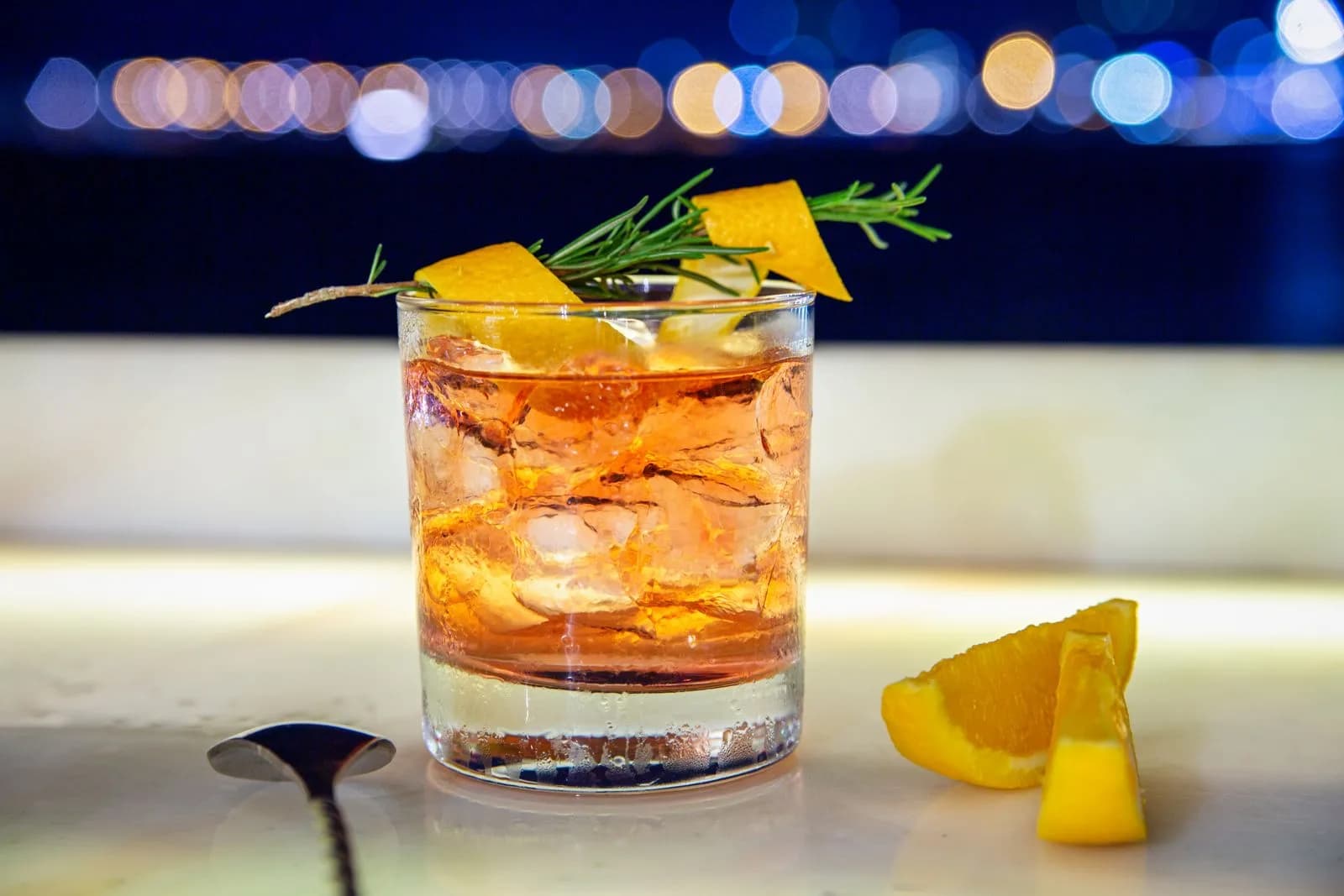
From the shaker, jigger and bar spoon to the muddler and a set of strainers, these are the foundational tools every bartender needs. This guide explains what each tool does, distinguishes the common variants, and suggests how a beginner should assemble their first kit.
Quick answer: what's in the core toolkit?
The basic bartending kit that almost every bartender needs consists of six core tools: a shaker, a jigger (measuring tool), a bar spoon (long-handled stirring spoon), a muddler, a strainer, and a knife with a cutting board for garnish prep. With these six you can already handle most foundational techniques: shaking, stirring, measuring, muddling and straining.
Around that core sits a group of supporting tools that make your work more professional and hygienic: a peeler/zester for citrus-peel garnishes, a measuring glass and containers for prepping ingredients ahead, ice tongs and a pourer for controlling portions. These aren't luxuries — they're what keeps a bar running smoothly.
In this guide, each tool is explained practically: what it does, its common variants, and how a beginner should choose. If you want to understand the techniques behind these tools, read it alongside our Library article 'Six foundational bartending techniques'.
The shaker: Boston, Cobbler and French
A shaker is used to shake ingredients together with ice — blending flavors, chilling quickly, creating a fine foam and the right dilution for a drink. It's usually the first tool a bartending student buys.
There are three common styles. The Boston shaker is two separate pieces — a large metal tin and a smaller tin (or mixing glass) — with no built-in strainer, so it must be used with a separate strainer; it's the choice of most professional bartenders thanks to its large capacity and easy cleaning. The Cobbler shaker is a three-piece design with a body, a lid with built-in strainer holes, and a small cap; it's convenient for beginners because you can strain directly, but the built-in strainer is usually not fine and the cap isn't always an accurate measure.
The French (Parisian) shaker sits between the two: a one-piece shape like the cobbler but with no built-in strainer like the Boston, easier to seal and separate than the Boston, and still needing a Hawthorne strainer. For beginners, a good two-piece Boston tin set plus a Hawthorne strainer is the most flexible and durable configuration.
The jigger: precise measuring
A jigger is a double-ended measuring tool used to precisely measure liquids in a recipe. Even though many bars use free-pouring, a jigger still ensures consistent ratios batch to batch — the factor that lets a good drink be reproduced rather than left to chance.
Jiggers are usually made of stainless steel or plastic, with each end holding a different volume. Common pairs are 15ml/30ml, 20ml/40ml and 30ml/60ml. Good ones add internal graduation marks (e.g. 10ml, 15ml, 20ml) so you can measure odd amounts without switching ends.
Beginners should pick a jigger with internal markings and a slightly flared mouth to avoid spills. Measuring with a jigger from the start builds the habit of balancing ratios — the foundation of every proper recipe.
The bar spoon: stirring, layering and small measures
A bar spoon is a long-handled spoon designed for stirring ingredients in a mixing glass or shaker. The handle is usually twisted for a better grip and control while stirring, achieving even dilution and chill without creating foam — stirring is a distinctly different technique from shaking.
Beyond stirring, the bar spoon has several uses: the spoon end can measure a small amount (around 5ml depending on the type), while the opposite end is often a flat disc or fork for pressing, light muddling or picking up garnishes. Layering — pouring over the back of the spoon to create separated color bands — also relies on the bar spoon.
A handle around 30cm long is the common size, long enough to reach the bottom of a tall mixing glass. Beginners should choose a twisted, sturdy handle with a well-balanced spoon end that both stirs and measures.
The muddler: extracting oils and juices
A muddler is a pestle-shaped tool used to crush herbs, fruit, sugar or spices to release essential oils and juices. A correct press-and-twist awakens the aroma without making it bitter — for example when muddling mint leaves or pressing citrus segments for muddled-style drinks and mocktails.
Muddlers come in wood, stainless steel or plastic. The head can be flat or toothed; a toothed head breaks down ingredients faster. Note: with soft herbs like mint, press gently to release oils rather than pulverizing, which produces harsh, bitter notes.
Beginners should avoid painted or varnished wooden muddlers because the coating can flake into the drink; prefer food-grade plastic or unpainted steel, which is easy to clean. Plain wooden muddlers need drying and periodic maintenance.
The strainer: Hawthorne, Julep and fine strainer
A strainer is used to filter ice and ingredient debris out of the mixture after shaking or stirring, giving a smooth, clear drink. Professional bartenders often use several strainer types together rather than a single one.
The Hawthorne strainer is a disc with a handle and a spring coiled around the rim that fits into the mouth of a metal tin — used when pouring from a shaker tin, holding back large ice and herb debris; the spring detaches for cleaning. The Julep strainer is a bowl/spoon shape with holes, set at an angle to fit snugly inside a mixing glass — used for stirred drinks from a mixing glass. The fine strainer (a small handheld mesh sieve) is used for fine filtering — the 'double strain' technique: pour through the Hawthorne then through the mesh to remove remaining ice shards and tiny particles.
The table below summarizes when to use which.
| Strainer type | When to use | Characteristics |
|---|---|---|
| Hawthorne | After shaking in a metal tin | Filtering disc + coiled spring, blocks ice and large debris, spring detaches to wash |
| Julep | After stirring in a mixing glass | Bowl/spoon shape with holes, set at an angle to fit the glass mouth |
| Fine (mesh) | Double straining for a served drink without ice | Fine handheld mesh sieve, removes ice shards and tiny particles, used with the Hawthorne |
Knife, cutting board and peeling tools: garnish prep
Garnish may seem secondary but it largely determines a drink's first visual impression and aroma. That's why a small sharp knife and a dedicated cutting board are foundational tools for cleanly and safely slicing citrus, cutting peels and chopping fruit.
Use a dedicated board for the bar station, separate from other food boards, to keep it hygienic and free of odors. The knife should be small, thin-bladed and sharp enough to cut even, thin slices — an attractive garnish starts with a decisive cut.
Complementing the knife are peeling tools: a peeler (Y-shaped or straight) for thin citrus-peel strips, and a zester to shave zest that releases fragrant oils on top. Citrus peel is rich in essential oils, and expressing it over the surface of a drink releases clear aroma — a small detail that elevates the finished result.
Supporting tools: measuring glass, containers, ice tongs and pourer
Beyond the core kit, a few supporting tools keep a bar clean and consistent. A measuring glass and a heavy-bottomed mixing glass are used for stirring and holding temperature steady; containers (squeeze bottles, dropper bottles) hold syrups, juices or pre-made ingredients for fast work during peak hours.
Ice tongs or an ice scoop help you handle ice hygienically — the basic rule is never grab ice by hand. A pourer fitted on a bottle's mouth controls the flow when pouring and helps train even free-pouring; capped versions also keep out dust and insects.
These aren't required from day one, but once you start serving many drinks in a row they mark the difference between a chaotic station and a professional one.
Choosing a beginner's kit and summary table
If you're just starting, don't buy everything at once. Prioritize the core kit first: one shaker (a two-piece Boston tin, or a cobbler if you want convenience), a graduated jigger, a twisted-handle bar spoon, a plastic- or steel-headed muddler, a Hawthorne strainer, plus a dedicated knife and cutting board. These six or seven items are enough to practice all the foundational techniques.
For materials, prefer stainless steel because it's durable, easy to clean and odor-free. Avoid tools with coatings that flake. Test the weight and sturdiness in hand before buying — a well-fitting tool allows far more precise work than a cheap, flimsy one. As your skills grow, add a Julep strainer, a fine strainer, a peeler/zester and containers.
The table below summarizes more than ten foundational tools with their uses and buying notes for beginners. Read it alongside our Library article 'Types of cocktail glassware' to complete both your tools and your serving glasses.
| Tool | Main use | Notes for beginners |
|---|---|---|
| Shaker (Boston) | Shake, chill and foam ingredients with ice | Choose a two-piece tin set, large capacity, stainless steel, easy to clean |
| Jigger | Precisely measure liquid ingredients | Double-ended 15/30ml or 30/60ml, prefer internal graduation marks |
| Bar spoon | Stir, layer and measure small amounts | Twisted handle ~30cm, well-balanced spoon end, sturdy |
| Muddler | Crush herbs, fruit and sugar to extract oils and juices | Choose food-grade plastic or unpainted steel; wood needs maintenance |
| Hawthorne strainer | Filter large ice and debris when pouring from a shaker tin | Detachable spring for washing; used with the shaker tin |
| Julep strainer | Strain from a mixing glass when stirring | Bowl with holes, set at an angle to fit the glass mouth |
| Fine strainer (mesh) | Fine filtering (double strain), removes ice shards and tiny particles | Small handheld mesh sieve, used with the Hawthorne |
| Knife & cutting board | Prep, slice and trim garnishes | Small sharp knife, dedicated board for the bar station for hygiene |
| Peeler / zester | Cut peel strips and shave zest for citrus oils | Y-shaped peeler is easy to use; zester for fine peel threads |
| Measuring glass / containers | Stir; hold syrups and pre-made juices | Heavy-bottomed mixing glass; squeeze/dropper bottles for ingredients |
| Ice tongs / scoop | Handle ice hygienically | Rule: never grab ice by hand |
| Pourer | Control the pour, support even free-pouring | Fits the bottle mouth; capped versions keep out dust and insects |
Learn to use the tools properly with Bartender.com.vn
Having the tools is only the first step; knowing how to use them correctly is what produces consistent results. At Bartender.com.vn, bartending courses are designed to introduce beginners to each tool in sequence — from how to hold a shaker, measure with a jigger and stir with a bar spoon to double-straining — then combine them into a complete workflow under direct guidance.
If you're assembling your first kit, learning alongside a structured program helps you avoid common technique mistakes and shortens the trial-and-error phase. You can explore the courses on Bartender.com.vn along with other foundational skill articles in the Library to move confidently from tools to technique.
Frequently asked questions
Should a beginner buy a Boston or Cobbler shaker?
The Cobbler is more convenient for beginners because you can strain directly and buy fewer pieces; however, the two-piece Boston tin is more flexible, larger and easier to clean, so it's the long-term choice of most bartenders. If you choose the Boston, get a Hawthorne strainer with it.
Is a jigger necessary, or can I just free-pour?
Beginners should use a jigger to build a sense of ratio and ensure reproducible drinks. Free-pouring is an advanced skill that takes a lot of practice; a jigger keeps you accurate from the start.
Can I get by with just one type of strainer?
A single Hawthorne strainer handles most shaking situations. For stirred drinks in a mixing glass a Julep strainer fits better; a fine strainer is only needed when you want to double-strain for a served drink without ice.
Is a wooden or steel muddler better?
Stainless steel and food-grade plastic are easier to clean and more durable. Wooden muddlers feel traditional but avoid painted or varnished ones since the coating can flake into the drink, and they need drying and periodic maintenance.
What material should I choose for my first kit?
Prefer stainless steel because it's durable, rust-free, odor-free and easy to wash. Test the sturdiness and weight in hand; a well-fitting tool allows far more precise work than a cheap, flimsy one.
References
9 professional bartender tools (Nguyen Lieu Kim Tinh) — https://nguyenlieukimtinh.com/dung-cu-bartender/
Essential bar tools for bartenders (Saigontourist) — https://saigontourist.edu.vn/dung-cu-pha-che-ruou.html
Cocktail strainer (Wikipedia) — https://en.wikipedia.org/wiki/Cocktail_strainer
Boston Shaker Vs Cobbler Shaker Explained (A Bar Above) — https://abarabove.com/boston-shaker-vs-cobbler-shaker-the-two-most-popular-types-of-cocktail-shakers-explained/
The Hawthorne strainer: Bar tools (European Bartender School) — https://www.barschool.net/blog/bar-tools-hawthorne-strainer
Planning an event?
Get a free quote
Tell us about your event and our team will recommend the right package and send a detailed quote — no commitment.