The bartending craft
Common Bar Glassware & Their Uses (with a Quick-Reference Table)
Bartender.com.vn · 17/07/2026 · 10 min read
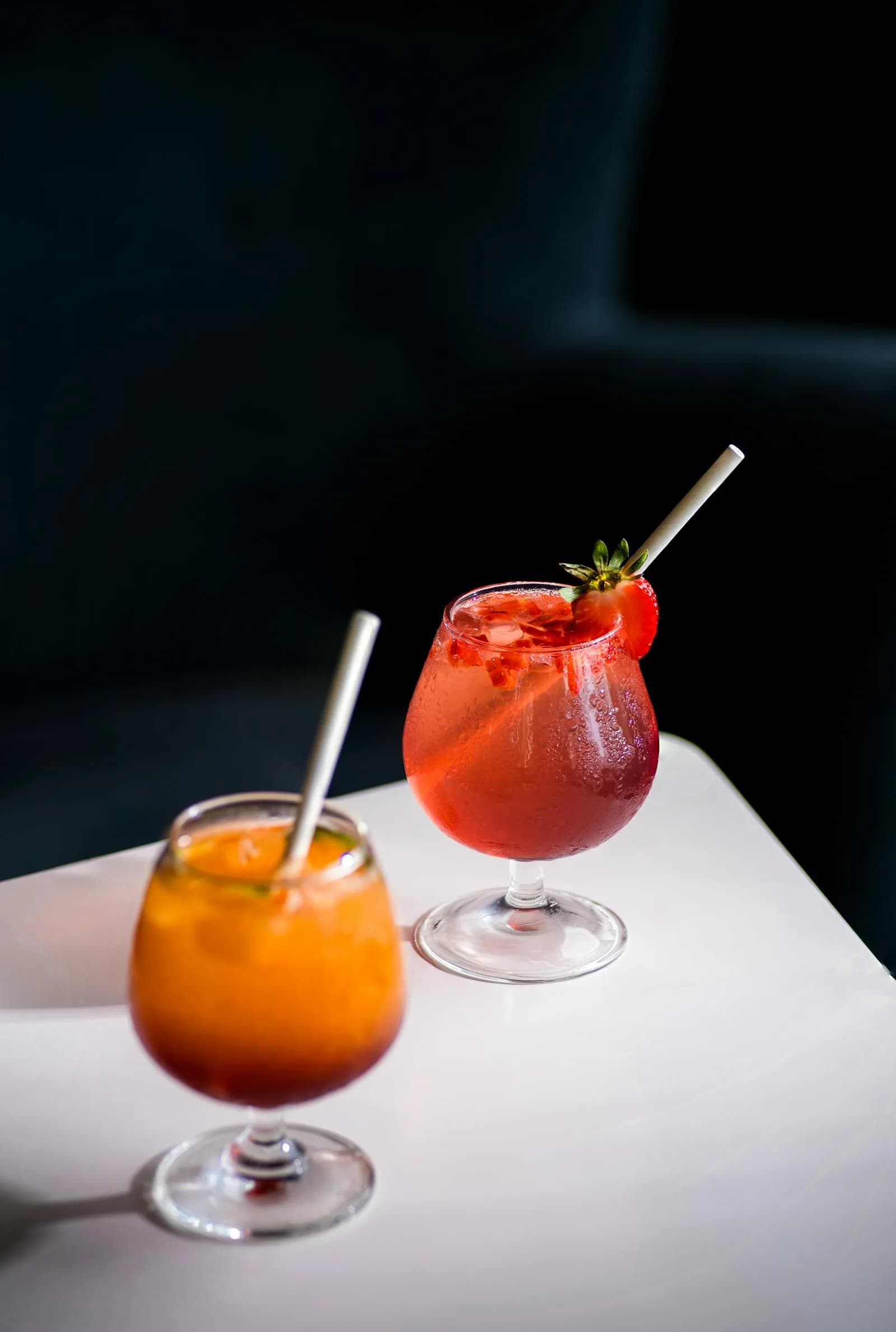
Coupe, martini, rocks, highball, collins, shot, hurricane... each bar glass has its own shape, capacity and purpose. This guide decodes every type with a quick-reference capacity table so you can match the right glass to the right drink.
Why does choosing the right glass matter so much?
Choosing the right glass shapes most of a mixed drink's experience: it affects temperature, effervescence, aroma release and the visual impression before the first sip. A cold drink served without ice needs a long stem so your hand doesn't transfer heat; a drink served over ice needs thick walls and a heavy base to stay cold longer. That is why bartending schools treat glassware knowledge as a required first lesson.
A glass is not just a container. A wide or narrow rim channels aroma to the nose; a tall or short profile decides the ice ratio and melt rate; a stem keeps the temperature stable. With the same recipe, changing the glass changes the whole drinking sensation.
In this guide we walk through the most common glass families in a bar, with reference capacities and uses. Note: the capacities below are common market ranges. Each glassware brand may vary slightly, so treat them as a compass rather than absolute numbers.
Classic cocktail glasses: coupe and martini
These are stemmed glasses serving drinks that were stirred or shaken cold, then strained without ice (served "up"). The long stem is functional: you hold the stem so hand warmth doesn't reach the drink.
The martini glass (also called the cocktail glass) has a distinctive angular V shape with a wide flared rim, reference capacity around 200ml (some sources advise no larger than 200ml so the drink doesn't warm before it's finished). The wide mouth showcases the garnish and lets aroma rise. Its drawback is that it spills easily when moving.
The coupe has a shallow, rounded bowl with a wide mouth, reference capacity about 150–200ml. It is a classic choice enjoying a revival, a softer alternative to the martini's V shape, suited to drinks served without ice. Because the bowl is shallow, the coupe spills less than a martini glass. A compact variant is the Nick & Nora glass (about 120–180ml), tulip-shaped and easy to hold, also used for drinks served "up".
Rocks / Old Fashioned glass: made for big ice
The rocks glass, also called the Old Fashioned glass or lowball, is short and wide with a thick base, reference capacity about 200–300ml. It is the workhorse for drinks served over ice, especially well matched with one large cube or sphere, whose small surface area melts slowly and keeps the drink cold without diluting fast.
The thick, heavy base serves two purposes: it holds temperature steady and gives a stable footing when the bartender muddles ingredients such as mint, fruit slices or sugar right in the glass. The wide mouth also makes adding ice and garnishes easy.
There is a larger "double rocks" (double Old Fashioned) version, reference capacity up to about 350ml, for drinks with more ice. When buying, favor thick walls and a heavy base: it is both durable and feels solid and professional in the hand.
Tall glasses: highball and collins
When you need a long drink with plenty of ice, diluted with a carbonated mixer or juice, you reach for the tall glasses. The tall, narrow shape keeps carbonation longer and holds the cold well for refreshing drinks.
The highball has a tall cylindrical, slightly wide profile, reference capacity about 240–350ml. It is the familiar glass for drinks mixed with soda or tonic water, served full of ice. Many bartenders see the highball as the most versatile glass in the bar because it serves so many long drinks.
The collins is a little taller and slimmer than the highball, reference capacity about 300–410ml. Being taller and narrower, it suits fizzier drinks that need to hold their bubbles. In practice the highball–collins boundary is blurry and many bars use them interchangeably; the main difference is just height and capacity.
Shot glass: small but mighty
The shot glass is small with a thick base, reference capacity about 30–60ml (a common standard around 44ml, i.e. 1.5 oz). Its main use is serving small drinks meant to be downed in one go, and colorful layered drinks.
Beyond serving, the shot glass is a handy measuring tool when you don't have a dedicated jigger: many shot glasses have marks or standard volumes for estimating quantities. It is a basic essential in a beginner's kit.
There are many variants: the classic thick shot, the tall shooter, and small stemmed shots. For beginners, choose a thick, stable base to limit breakage during fast movements.
Specialty glasses: hurricane, tiki, Irish coffee
These are "special-breed" glasses designed for a specific group of drinks, usually leaning toward performance and experience.
The hurricane glass has a distinctive curved shape like an old storm lamp: bulging in the middle, flaring at the rim, with a short foot. Its reference capacity is fairly large, about 300–450ml (some up to 600ml), used for tropical drinks with lots of ice and fruit garnish. The tiki glass is a ceramic mug shaped like tribal figures or tiki idols, with a broad reference capacity around 350–600ml, used for tropical-style drinks that emphasize visual theater.
The Irish coffee glass is heat-resistant, stemmed and handled, reference capacity about 240–290ml. The handle keeps your hand from getting hot and the stem keeps the hot portion away from your palm. It is used for hot mixed drinks and hot prepared coffee. There is also the margarita glass with a wide flared rim in two tiers, convenient for a salt rim; and the copper mug, which keeps drinks very cold for refreshing crushed-ice drinks.
Wine and beer glasses (in general)
Beyond mixing glasses, a complete bar also needs glasses for fermented drinks. This group prioritizes aroma delivery and holding the right temperature.
Wine glasses usually have a stem and a bowl; red wine glasses have a larger, rounder bowl (reference capacity around 300–450ml and up) to release more aroma, while white wine glasses have a smaller bowl to keep cold. The flute is tall and narrow, reference capacity about 170–200ml; its tubular shape keeps carbonation longer for fizzy drinks that need to sparkle.
Beer glasses vary widely by style: sturdy handled mugs, tall slim pilsners, bulbous tulips... reference capacity ranges broadly from about 330ml to 500ml or more. For someone just opening a bar, there's no need to buy every style; prioritize a few versatile shapes first and expand gradually as your menu grows.
Quick-reference table: glass type, capacity and use
Below is a summary table for quick reference when setting up a bar or buying glasses. Capacities are common reference ranges and may vary by brand and model. Use this table as a directional map.
A practical tip: if you're on a budget and just starting, prioritize four foundational groups first — rocks, highball, a stemmed glass (coupe or martini) and shot. These four already serve most of a basic menu; add specialty glasses later as real needs arise.
| Glass type | Reference capacity | Best for which drinks |
|---|---|---|
| Martini (cocktail) glass | ~200ml | Shaken/stirred cold drinks strained without ice, served up |
| Coupe glass | 150–200ml | Drinks served without ice, classic style |
| Nick & Nora glass | 120–180ml | Drinks served up, secure grip, less spill |
| Rocks / Old Fashioned glass | 200–300ml | Drinks over ice, ideal with one large cube; muddling |
| Double rocks glass | ~350ml | Drinks with more ice, larger portions |
| Highball glass | 240–350ml | Long drinks with carbonated mixer/juice, plenty of ice |
| Collins glass | 300–410ml | Long, fizzier drinks that need to hold bubbles |
| Shot glass | 30–60ml | Small quick drinks; layered drinks; measuring |
| Hurricane glass | 300–450ml | Tropical drinks with lots of ice and fruit garnish |
| Tiki glass (ceramic mug) | 350–600ml | Tropical-style drinks emphasizing presentation |
| Irish coffee glass | 240–290ml | Hot mixed drinks, hot prepared coffee |
| Flute glass | 170–200ml | Fizzy drinks that need to keep sparkling |
| Wine glass | 300–450ml+ | Fermented drinks, aroma delivery |
How to choose and care for your glasses
When choosing glasses, weigh three factors: wall thickness (thicker is durable and holds temperature well, thinner is elegant and delivers aroma finely), glass clarity (clear glass with few bubbles looks more professional), and base/stem stability (important for fast work). For a commercial bar, favor impact-resistant types; for a premium home experience, you may choose thin, pulled-stem glasses.
Proper care keeps glasses beautiful: wash gently by hand with warm water, avoid thermal shock (pouring cold into a hot glass or vice versa) which causes cracks; dry with a lint-free microfiber cloth to avoid water marks and fingerprints. Store stemmed glasses upright or hang them on a dedicated rack, and avoid stacking, which causes scratches and chipped rims.
For drinks served without ice, the professional habit is to chill the glass first (put it in the freezer for a few minutes or rinse with ice) to keep the drink colder longer. Conversely, glasses for hot drinks must be heat-resistant; never use ordinary glass, to avoid cracking.
To master pairing glasses with each drink — along with proper shaking, stirring, muddling and garnishing techniques — you can explore the bartending courses at Bartender.com.vn. The program moves from tool and glassware fundamentals to hands-on technique, helping beginners build a solid base before entering the trade. To start, also see the article "Basic bartending toolkit" to prepare your equipment alongside your glass collection.
Frequently asked questions
Which glasses should a beginner bartender buy first?
Prioritize four foundational groups: the rocks glass (drinks over ice), the highball (long drinks), one stemmed glass — coupe or martini (drinks served without ice), and the shot glass (small portions and measuring). These four serve most of a basic menu; specialty glasses like hurricane, tiki and Irish coffee can be added later as needed.
How do the martini glass and coupe differ?
Both are stemmed glasses for drinks served without ice. The martini glass has an angular V shape with a wide flared rim but spills easily. The coupe has a shallow rounded bowl and wide mouth, spills less, and feels classic. Their capacities are quite close (about 150–200ml).
Why does the rocks glass have a thick, heavy base?
The thick base holds temperature steady longer and gives a stable footing for the bartender to muddle ingredients right in the glass. It also makes the glass more durable and feels solid and professional in the hand.
Are highball and collins the same?
Not quite. Both are tall glasses for long drinks, but the collins is usually taller and slimmer with a slightly larger capacity (about 300–410ml versus the highball's 240–350ml). In practice many bars use them interchangeably because their uses are so similar.
Are the capacities in this article exact absolute numbers?
No. These are common market reference ranges; each brand and model may vary. Use them as guidance when setting up a bar, and check the actual capacity of the glass model you buy.
References
Difford's Guide — Cocktail glassware — https://www.diffordsguide.com/g/1150/how-to-make-cocktails/cocktail-glassware
European Bartender School — Cocktail glass types — https://www.barschool.net/blog/cocktail-glass-types
Bartender.edu.vn — Understanding bar glassware (Vietnamese) — https://www.bartender.edu.vn/cac-loai-ly-trong-pha-che
Vua Pha Che — Types of bar glasses (Vietnamese) — https://vuaphache.net/cac-loai-ly-pha-che
Planning an event?
Get a free quote
Tell us about your event and our team will recommend the right package and send a detailed quote — no commitment.