The bartending craft
Barista vs Bartender: What's the Difference Between These Two Drink Professions?
Bartender.com.vn · 17/07/2026 · 10 min read
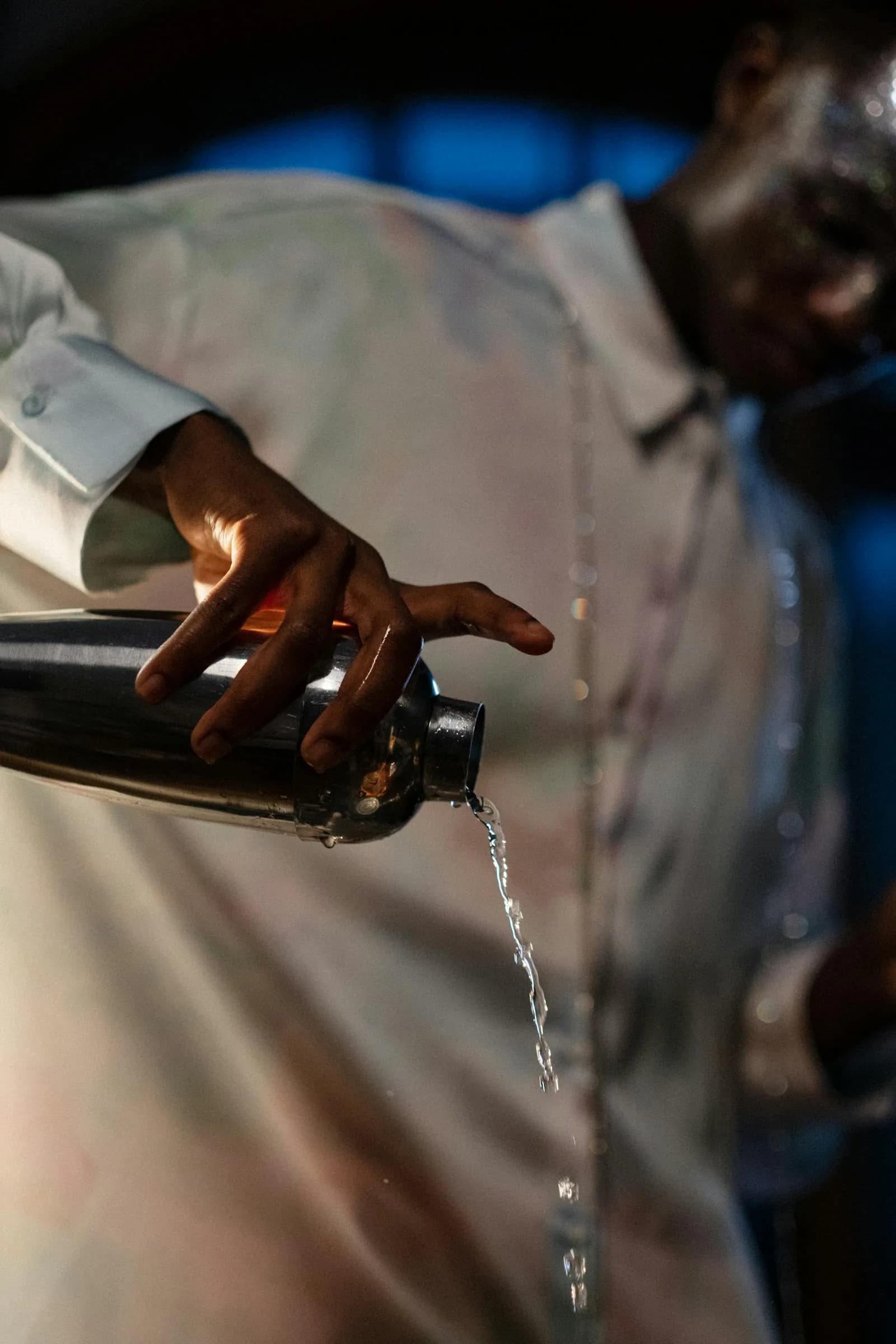
A barista makes coffee and hot drinks in a cafe; a bartender mixes drinks behind the bar. Here's how the two professions differ in definition, work, skills, tools and income.
Quick answer: How do baristas and bartenders differ?
In short: a barista prepares coffee and beverages (mostly hot, served during the day) in a cafe, while a bartender mixes drinks behind the bar, working mainly in the evening at bars, pubs, lounges or hotels. Both are "drink makers" who serve customers from behind a counter, but their ingredients, tools, hours and work atmosphere are very different.
The core difference lies in the main ingredient: baristas revolve around coffee beans, milk and non-alcoholic beverages; bartenders revolve around the art of mixing and balancing drinks served at the bar. So when you wonder "should I train as a barista or a bartender," the real question is: do you prefer the meticulous daytime coffee world, or the lively nighttime bar scene?
This article breaks down every aspect — definition, work, environment, skills, tools and income — so you can choose the path that fits you.
What is a barista?
A barista is a professional coffee maker — from espresso, cappuccino and latte to drinks based on coffee, cocoa and tea. The word "barista" in Italian originally means a person who serves drinks at a counter; today it is tied to specialty coffee culture.
A barista's job is far more than pushing a button. A skilled barista must understand coffee beans from selecting them, roast level and grind, to adjusting extraction time and pressure so the espresso hits the right taste. They must also master steaming milk into fine microfoam and the technique of latte art — drawing patterns on the surface of the cup.
This profession demands precision, a sensitive sense of smell and taste, and the patience to repeat a precise process hundreds of times a day while keeping quality consistent.
What is a bartender?
A bartender is a person who prepares and serves drinks at the bar, standing at the center point between the mixing station and the guests. They make mixed drinks, combining ingredients such as fruit juices, syrups, carbonated water and ice in the right proportions to create a balanced drink.
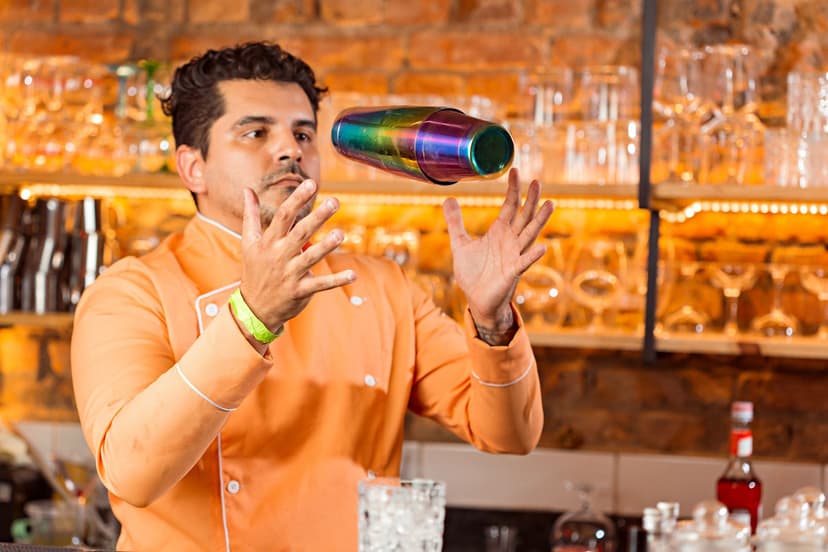
Beyond mixing skills, a bartender also "sets the tempo" of the bar: chatting, recommending drinks to guests, and handling many orders at once during peak hours. In many venues, bartenders also perform bottle- and tool-juggling skills — known as flair bartending — as an entertainment highlight.
Because they work in bars, pubs and lounges, bartenders often must know the legal rules for serving alcoholic drinks (such as checking a guest's age) and how to handle guests in a nighttime setting. To understand this role in more depth, read the "What is a bartender" article in the Library.
Different work and environment
The most visible difference is hours and atmosphere. Baristas usually start their shift early in the morning — when customers want their first coffee of the day — and finish by evening. The cafe environment tends to be calm, relaxed and daylit. Baristas rarely work late-night shifts.
Bartenders are the opposite: their peak falls in the evening, late night, weekends and holidays — exactly when people finish work and go out. The bar atmosphere is lively, full of music, crowded and fast-paced. This is what makes bartending appealing to many, but it can also be physically tiring and hard on one's schedule.
In terms of staffing, larger bars also have a support role called a barback — a person who assists the bartender: restocking ice, clearing glasses and refilling ingredients so the bartender can focus on mixing and serving. You can learn the details in the Library's "What is a barback" article.
Different skills and tools
The toolkit clearly reflects the nature of each job. Baristas work with espresso machines, coffee grinders, tampers, steaming pitchers, scales and thermometers — equipment that requires precise calibration. A barista's core skills are dialing in extraction, steaming milk and creating latte art.
Bartenders are associated with shakers, jiggers (measuring cups), long bar spoons, strainers and paring knives for garnishing. Their core skills are mixing by ratio, balancing taste (sour, sweet, bitter, strong), speed in handling many orders, and showmanship.
What they share is that both jobs require customer-service skills, the ability to stand for long periods, work under pressure and a good memory for recipes. People switching from one job to the other usually relearn the technical and tool-specific parts, but keep the same service foundation and palate.
Quick comparison: barista vs bartender
The table below summarizes five core aspects so you can see the differences at a glance. The income figures are for reference only and vary by workplace, experience and tips.
Note: this is a general comparison framework; in reality each venue has its own job description, and the line between the two jobs sometimes overlaps at hotels or chains that serve both coffee and a bar.
| Criteria | Barista | Bartender |
|---|---|---|
| Main drinks | Espresso, latte, cappuccino, tea, hot and iced drinks | Cocktails and mixed drinks served at the bar |
| Work environment | Cafes, bakeries, hotels — mostly daytime | Bars, pubs, lounges, hotels — mostly evenings and weekends |
| Typical tools | Espresso machine, grinder, tamper, steaming pitcher, scale | Shaker, jigger, bar spoon, strainer, garnish knife |
| Signature skills | Extraction dialing, milk steaming, latte art, coffee flavor sense | Mixing by ratio, taste balancing, showmanship, guest interaction |
| Typical hours | Early morning to evening | Evening to late night, peaking on weekends and holidays |
Income in Vietnam and internationally
In Vietnam, income in both jobs rises with experience and the tier of the venue. According to Indeed (updated July 2026, based on 44 reported salaries), the average bartender salary in Vietnam is about 8.2 million VND/month, with Da Lat recording the highest at about 11.4 million VND/month. The table below breaks it down by experience level.
One important point: bartenders often earn extra tips (about 1–5 million VND/month depending on skill and venue), so their actual total income can exceed that of a barista at the same level, especially at upscale venues and weekend night shifts.
Internationally, the trend is similar: according to OysterLink, US bartenders earn about USD 17.83/hour plus tips, while baristas earn about USD 16.74/hour plus tips. Because bar tips tend to be larger, surveys that include tips (such as Glassdoor and Salary.com) put the average annual US bartender salary at around USD 60,000 — notably higher than the roughly USD 47,000 for baristas. Exact figures vary widely by survey source and how tips are counted.
| Level / experience | Barista | Bartender |
|---|---|---|
| Entry level (under 1 year) | 4 – 5.5 million VND/month | 4.4 – 6 million VND/month |
| Experienced (1–5 years) | 6 – 7 million VND/month | 6 – 10 million VND/month |
| Skilled (5–10 years) | Can exceed 12 million at upscale venues | 10 – 15 million VND/month |
| Premium / 5-star hotel | Over 12 million VND/month | 15 – 25 million VND/month or more |
| Additional tips | Usually smaller | About 1 – 5 million VND/month |
Can you do both jobs at once?
Absolutely, and in fact many drink makers go the "multi-skilled" route. Because both baristas and bartenders are drink makers who share a common foundation of customer service, hygiene, ingredient management and palate, switching between or combining the two is not too hard for someone with a solid base.
Many hotels and venues that serve both day and night prefer to hire people who know both: the coffee counter by day, the bar by night. Knowing both makes you flexible with shifts, widens your job opportunities and boosts total income.
That said, to truly excel at both you still need to invest in learning each specialty: coffee techniques (extraction, milk steaming, latte art) for barista work, and mixing, taste balancing and showmanship for bartending. Don't assume "knowing one means knowing both"; the shared foundation speeds up learning, but each job still has its own depth.
Which should you choose — and where to learn properly?
Neither job is "better" than the other; the choice depends on your personality and the lifestyle you want. If you like precision, love coffee flavors, want stable daytime hours and a quiet space — barista suits you. If you enjoy a lively nighttime atmosphere, lots of interaction, want income boosted by tips and don't mind working weekends — bartending is worth considering.
A practical way to choose: try working as a barback or an assistant at a venue for a while to feel the tempo of each environment before committing to in-depth training. Real experience answers more accurately than any article.
Whichever path you choose, learning properly helps you shorten the timeline and avoid bad habits. The bartending courses at Bartender.com.vn are built to equip you with a professional foundation — from technique and tools to a service mindset and career direction — helping beginners start on the right track. You can explore a learning path that fits your barista or bartender goals.
Frequently asked questions
Which is easier to learn for a beginner, barista or bartender?
Both can start from zero. Barista work is often seen as more approachable at first because the process is clearly standardized, but reaching a high level (latte art, flavor sense) also takes time. Bartending additionally requires communication skills and handling situations in a nighttime setting.
Which earns more?
At the same level, bartenders usually earn slightly more total income thanks to tips and weekend night shifts, especially at upscale venues. However, baristas at hotels or large chains may have stable base pay and better benefits. Exact figures depend on the workplace and experience.
How long does it take to learn barista or bartender skills?
It depends on the course and goal; the basics can be learned in a few weeks to a few months, but mastering the trade is a process accumulated through years of real practice. Ask your chosen training provider for a specific learning path.
Is a barback the same as a bartender?
No. A barback is a role that supports the bartender (restocking ice, clearing glasses, refilling ingredients), usually a starting step to learn the trade and move up to bartender. See the "What is a barback" article for details.
Do you need a diploma to work as a barista or bartender?
In Vietnam, most venues hire based on skills and attitude rather than formal diplomas. A certificate from a reputable bartending course helps you make an impression and build a solid base, but practice and experience are the deciding factors.
References
OysterLink — Bartender vs Barista: Key Differences, Skills & Salary — https://oysterlink.com/spotlight/bartender-vs-barista-job/
Nhan Su (nhansu.vn) — Bartender salary in 2025 — https://nhansu.vn/huong-nghiep-viec-lam/xu-huong-viec-lam/muc-luong-nghe-bartender-nam-2025-nghe-thuat-khong-chi-gioi-han-tren-san-khau-26317.html
iPOS.vn — What is a bartender? What is a barista? Which job to choose? — https://ipos.vn/bartender-hay-barista/
Indeed Vietnam — Bartender salary in Vietnam — https://vn.indeed.com/career/bartender/salaries

Planning an event?
Get a free quote
Tell us about your event and our team will recommend the right package and send a detailed quote — no commitment.