Planning
How to build a party drinks menu: a formula by headcount & budget
bartender.com.vn · 08/07/2026 · 11 min read
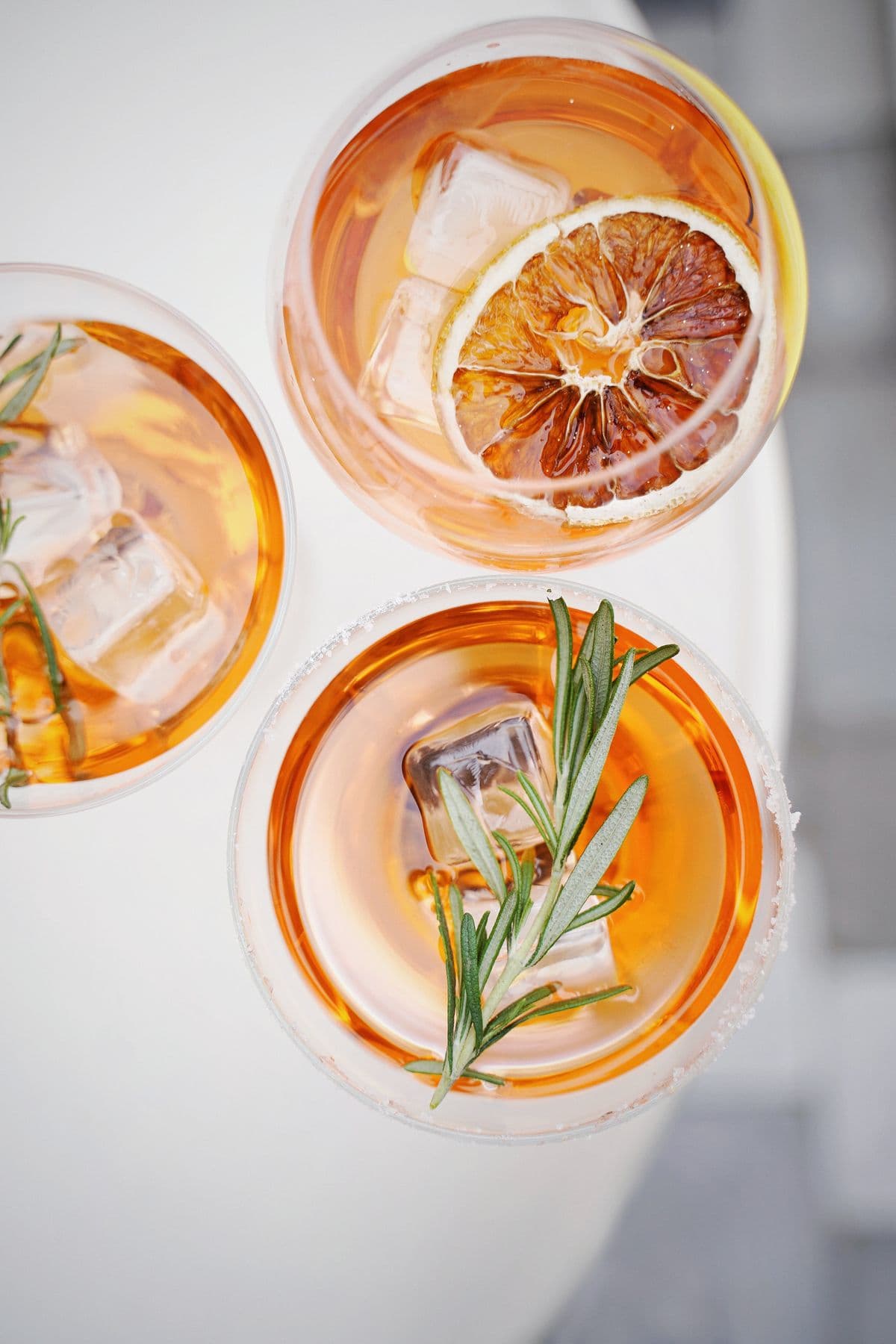
A party drinks menu needs 6–8 items across four groups and 2–3 glasses per guest. Includes quantities by headcount and three menu tiers by budget.
The principle: a 6–8 item menu across 4 groups
To build a party drinks menu, lock in 6–8 items across four groups — a welcome drink, a signature (cocktail or mocktail), non-alcoholic options for all ages, and coffee/tea — then plan for 2–3 glasses per guest over a 3–4 hour event. This formula lets the bar serve fast, minimises leftover ingredients, and ensures every guest (including children, non-drinkers and drivers) has a choice.
The most common mistake in a DIY party menu is listing too many drinks — 12 or 15 — hoping to please everyone. The result is the opposite: the bar clogs up, each drink is slower to make, and ingredients are bought in bulk but used piecemeal then wasted. An effective party menu should stay within 6–8 items, each with a clear role.
The four groups below are the minimum framework for a menu that is both varied and easy to run. You can add 1–2 themed items, but keep the total within range so the bar is never overloaded.
Four drink groups you need
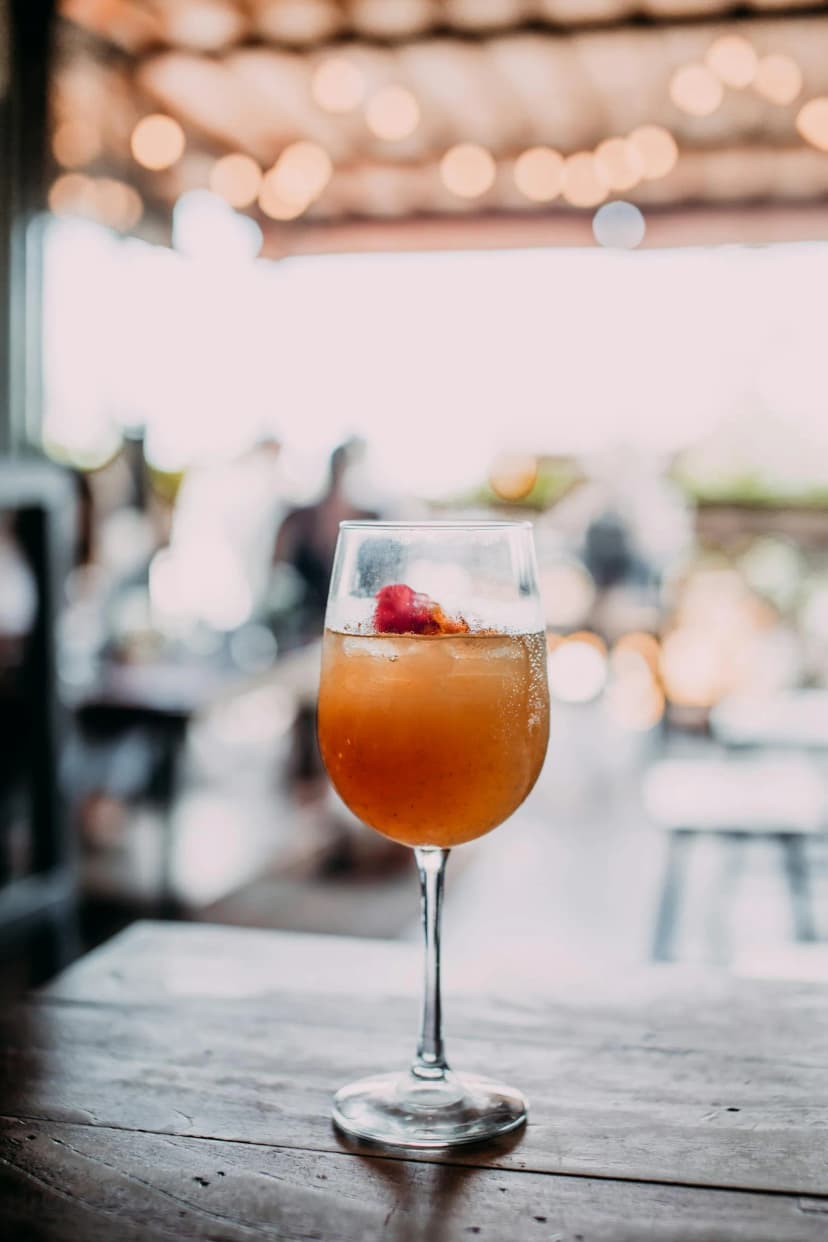
1. Welcome drink (1 item): served the moment guests arrive — usually a light, colourful, easy-drinking mocktail (passion-fruit mint soda, pineapple–kumquat juice, peach tea). Its role: a strong first impression that keeps guests refreshed while the program starts.
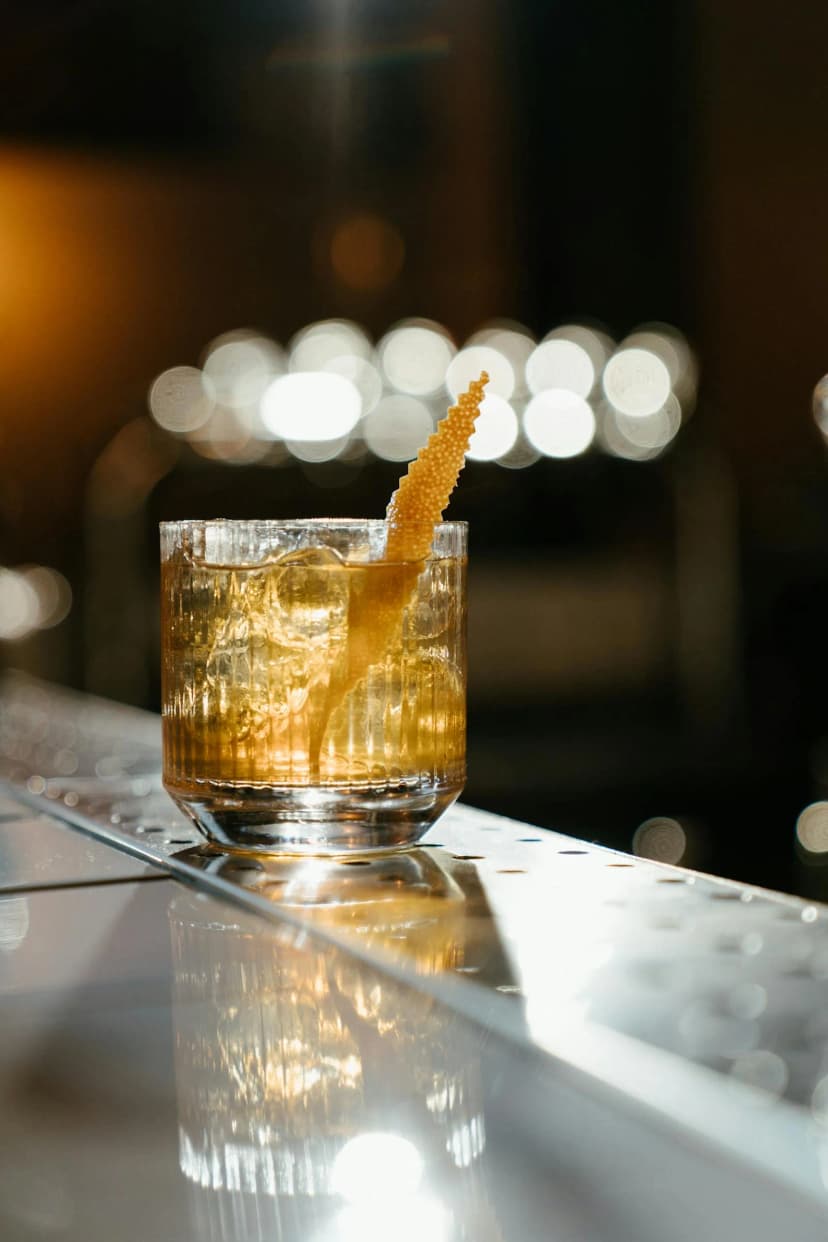
2. Signature (1–2 items): the hero item expressing the party theme — a non-alcoholic signature mocktail (all ages) or a light cocktail under 15% ABV for 18+ events. Its role: a photo-worthy highlight guests remember.
3. Non-alcoholic for all ages (2–3 items): fresh juices, basic mocktails, still water. This is the base group, the largest share of consumption, serving children, non-drinkers and drivers.
4. Coffee & tea (2 items): coffee (black/milk) and one tea (peach, kumquat, or herbal). Its role: end-of-party service, older guests, and anyone who wants to stay sharp before heading home.
A typical 7-item menu: 1 welcome + 1 signature + 3 non-alcoholic + 2 coffee/tea — varied yet controllable.
Quantities: glasses and ingredients
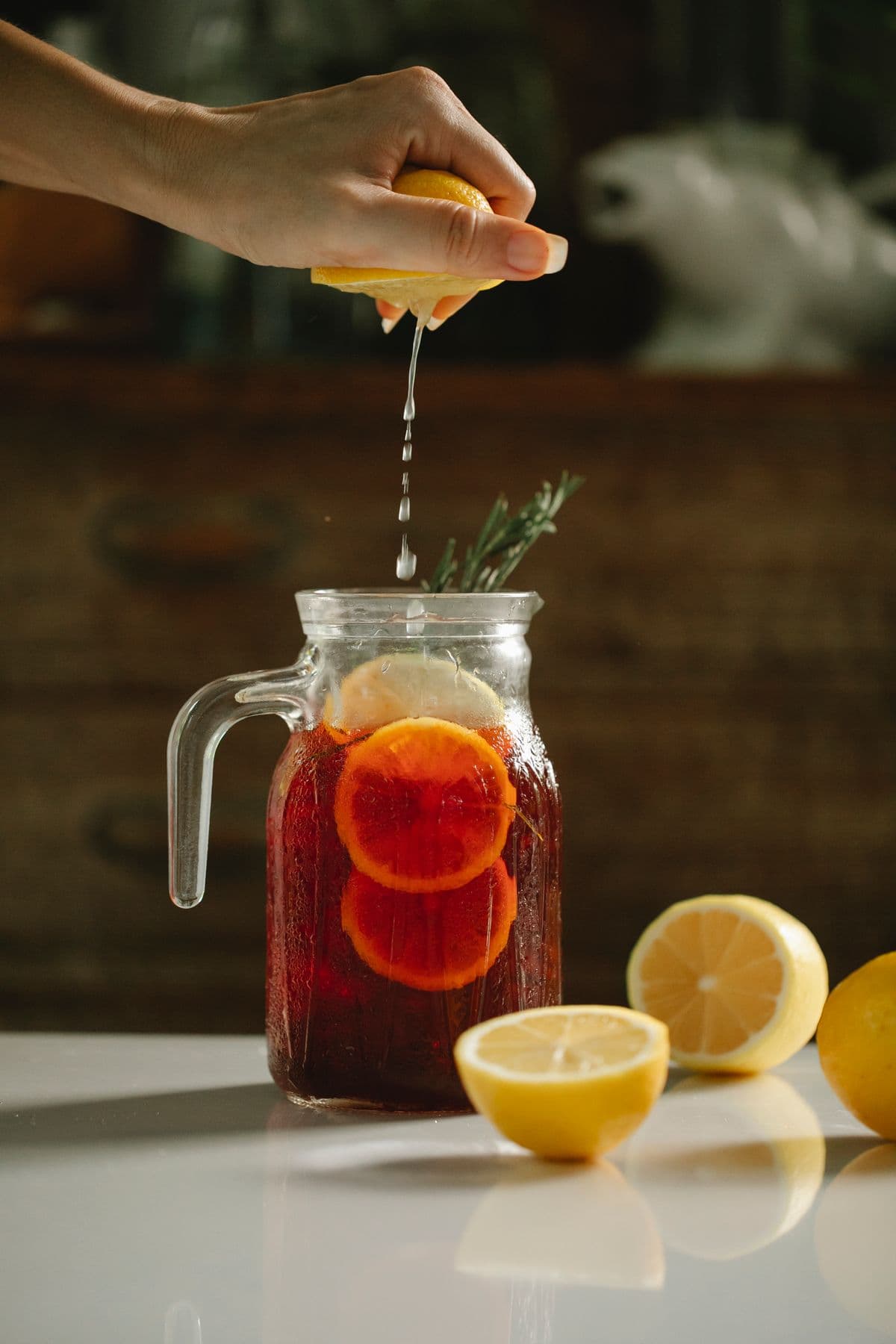
A common serving benchmark is 2–3 glasses per guest over a 3–4 hour party (this is a suggested benchmark from serving experience, not a fixed figure). Quick estimate: the first hour is peak (about 1.5 glasses), each later hour adds about 1. Hot weather, outdoor or high-energy parties add 15–25%.
The table below converts total glasses and the group split across four common headcounts, using a suggested benchmark of about 2.5 glasses per guest.
| Guests | Total (~2.5/guest) | Welcome (~10%) | Non-alcoholic base + mocktail (~60%) | Coffee & tea (~20%) | Light alcohol if any (~10%) |
|---|---|---|---|---|---|
| 30 | ~75 | ~8 | ~45 | ~15 | ~7 |
| 50 | ~125 | ~13 | ~75 | ~25 | ~12 |
| 100 | ~250 | ~25 | ~150 | ~50 | ~25 |
| 200 | ~500 | ~50 | ~300 | ~100 | ~50 |
| Ingredient | 1 glass | 50 glasses | 100 glasses |
|---|---|---|---|
| Passion-fruit concentrate | 30 ml | 1,500 ml (~1.5 L) | 3,000 ml (~3 L) |
| Sugar/syrup | 20 ml | 1,000 ml (~1 L) | 2,000 ml (~2 L) |
| Soda | 200 ml | 10,000 ml (~10 L) | 20,000 ml (~20 L) |
| Mint leaves | 3 | 150 | 300 |
| Ice (est.) | ~0.1 kg | ~5 kg | ~10 kg |
Three menu tiers by budget
For the same headcount, a menu can flex by budget by changing the number of signature items, whether light alcohol is served, and the level of glass garnish. The three tiers below are a reference framework.
The light-alcohol column is 0 if the party serves none (family parties, children present, daytime corporate); in that case reassign that share to mocktails and juices.
| Criteria | Value | Balanced (popular) | Premium |
|---|---|---|---|
| Items | 5–6 | 7 | 8 + on request |
| Welcome drink | 1 (basic mocktail) | 1 (colourful mocktail) | 1 (garnished signature mocktail) |
| Signature | 1 mocktail | 1 mocktail + optional light alcohol | 2 (1 mocktail + 1 light cocktail) |
| Non-alcoholic base | 2 (juice + water) | 3 (juice, mocktail, water) | 3–4 (add fresh-pressed juice) |
| Coffee & tea | 1 | 2 | 2 + special herbal tea |
| Glass garnish | Basic | Fresh fruit + herbs | Themed garnish, dedicated glassware |
| Best for | Small, internal parties | Most corporate, birthday, gatherings | Weddings, brand events |
Note on light alcoholic drinks
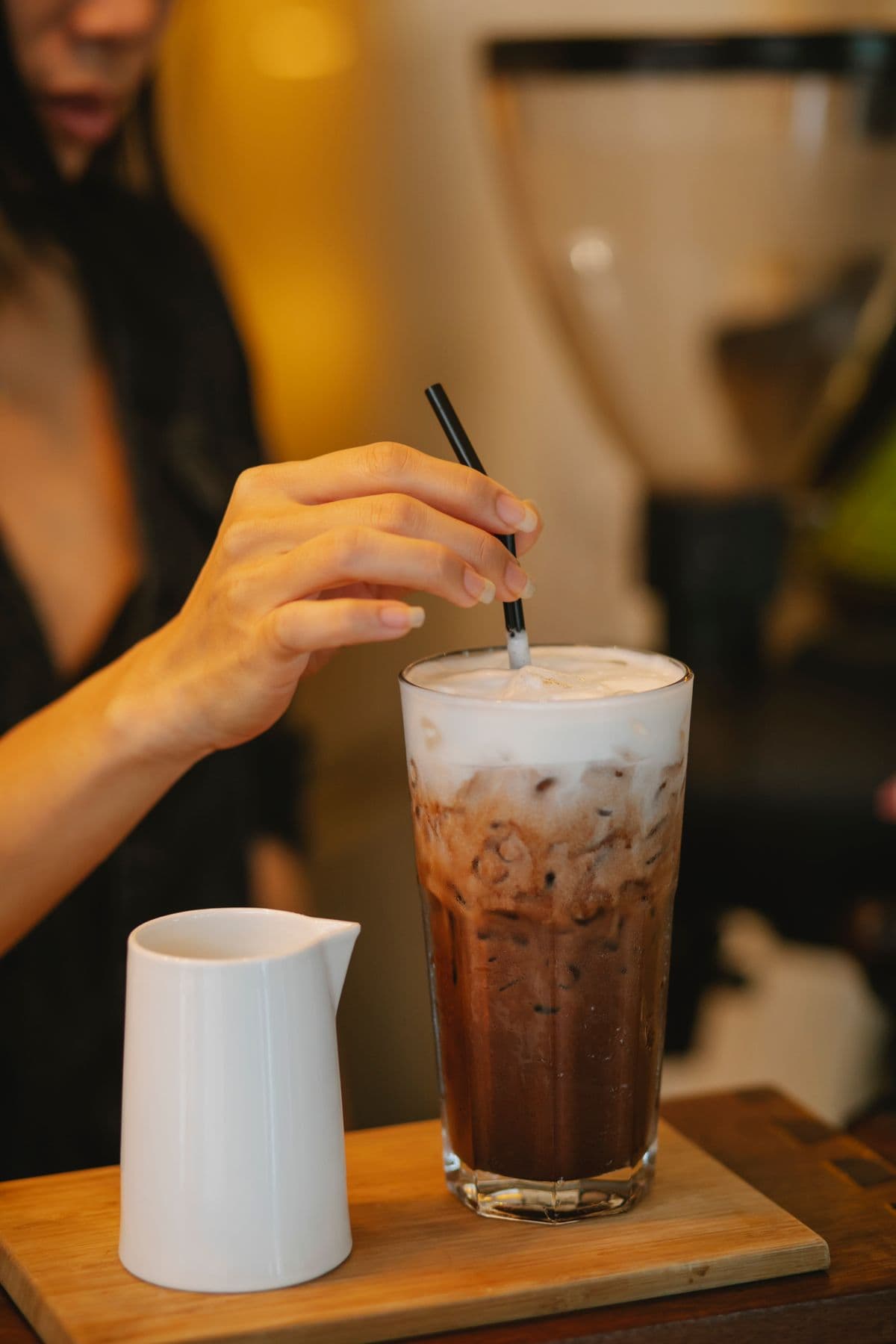
If the menu includes light alcohol, choose only drinks under 15% ABV (light mocktail-style or lightly fermented drinks) and follow responsible-drinking rules.
Serve guests 18+ only; always provide a matching non-alcoholic version for all ages. No alcohol for drivers; encourage safe transport; provide water and food.
This article names no brands and covers no spirits; the menu's focus should stay on non-alcoholic options.
FAQ
How many drinks should a party menu have?
6–8 items is sensible: varied enough for a welcome, signature, non-alcoholic and coffee/tea while the bar still runs smoothly. More than 8 tends to cause chaos and leftover ingredients.
How many glasses per guest?
The suggested benchmark is 2–3 glasses per guest over a 3–4 hour party (first hour ~1.5, each later hour ~1). Add 15–25% for hot weather or high-energy parties. This is an estimate, so prep about 10% extra.
How do you plan a menu for a party with children?
Make the non-alcoholic group the default: the welcome drink and signature should have mocktail versions, plus juice and water. If light alcohol is served (18+), label it clearly and always provide a matching non-alcoholic version.
Should you DIY or hire a bartender/mobile bar?
Small parties (under ~30 guests) can be DIY with simple batch drinks. From about 50 guests, a bartender/mobile bar helps serve fast, control quantities and avoid bottlenecks.
Is serving alcohol mandatory?
No. Many corporate, family and birthday parties go 100% non-alcoholic. If served, use only light drinks under 15% ABV, for 18+, with responsible drinking, and always a matching non-alcoholic version.
References
The figures and facts in this article are drawn from the public sources below (open them to cross-check):
WHO — Food safety (fact sheet): burden of foodborne illness and the WHO Five keys to safer food
Planning an event?
Get a free quote
Tell us about your event and our team will recommend the right package and send a detailed quote — no commitment.