Planning
Rooftop birthday party: 6 important considerations
Hoàng Tuấn Kiệt · 10/04/2025 · 7 min read
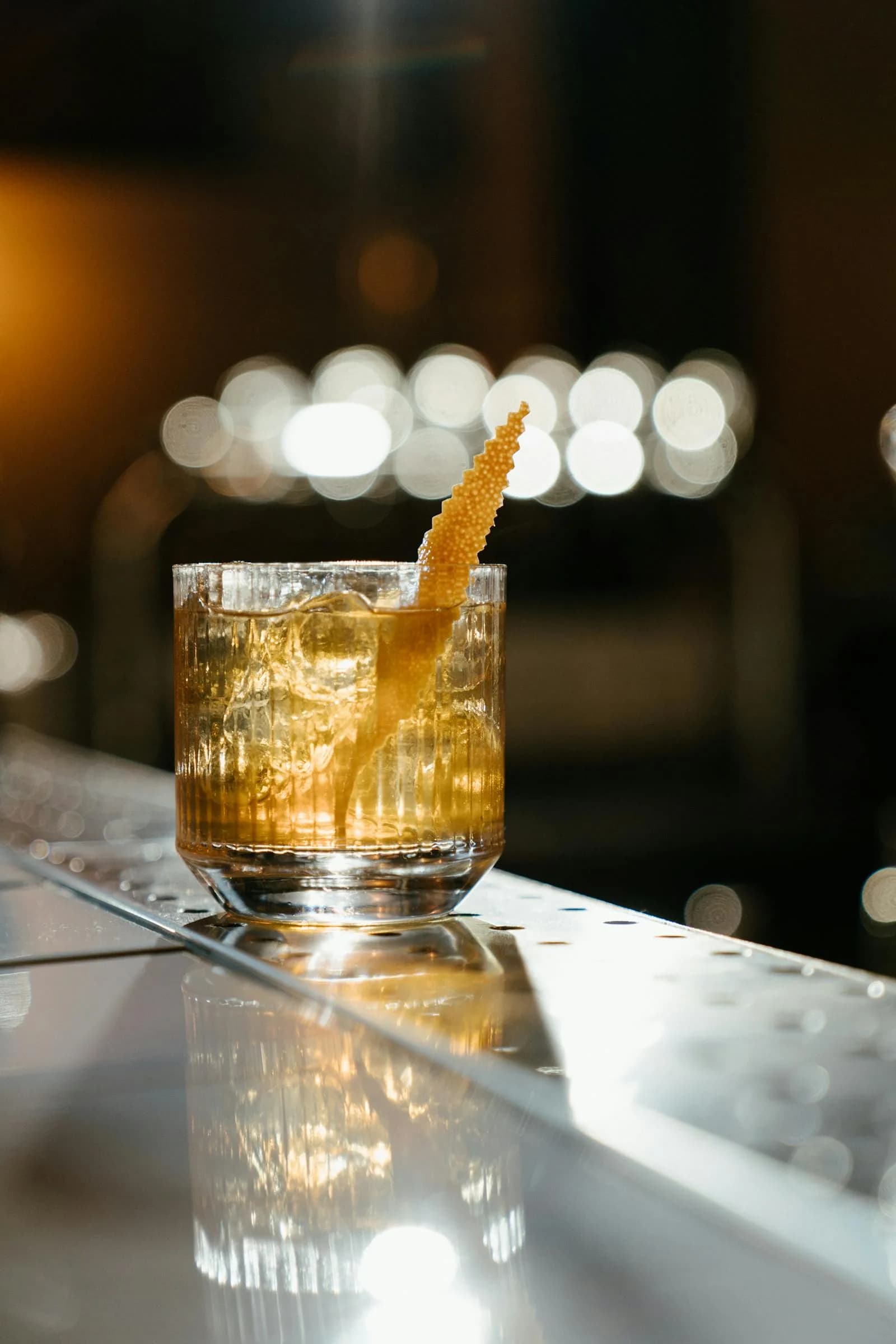
A rooftop setup is completely different from indoors — here are 6 things to check.
TL;DR
A rooftop birthday party looks better than an indoor one, but it is stricter on six fronts: wind at height, railing and child safety, sound and permits, drinks and alcohol service, elevator and power logistics, and sunset timing. Control these six and the rest is just decoration.
Key facts box
The numbers to remember before you lock the setup.
| Item | Threshold | Why |
|---|---|---|
| Mobile bar weight | >150kg or bolted down | Prevents tipping/sliding in gusts |
| Beaufort force 4 wind | 13–18 mph (~20–28 km/h) | Already raises dust and loose paper off tables |
| Night noise limit | 45 dBA (residential/Zone B, 22:00–06:00) | QCVN 26:2025/BNNMT |
| Minimum age to serve alcohol | 18 years | Law 44/2019/QH14 |
| Perishable food left out | Max 2 hours (1 hour if >90°F/32°C) | Danger zone 40–140°F (FDA) |
1. Wind and weather at height
This is risk number one: the higher you go, the stronger and less predictable the wind. The mobile bar must be heavy enough (>150kg) or bolted down. Avoid light garnishes that blow away.
On the U.S. National Weather Service Beaufort scale, force 4 wind (13–18 mph) already “raises dust and loose paper” off a surface. On a rooftop, actual wind speed is usually higher than at ground level, so paper cups, napkins, loose menus and light garnishes (mint leaves, dried citrus) are the first to go.
Fixes: prefer thick, low-stem glassware over plastic or paper; clip napkins or use cloth; drop overly light garnishes or pin them down; and check the wind forecast three days out so you have an indoor fallback. Umbrellas, awnings and fabric backdrops must be weighted — one gust can topple an entire display.
2. Railing and child safety
Birthday parties often include small children, and the railing is the most dangerous point on a rooftop. The rule: never turn the railing into storage or a play area.
Do not place tables, chairs, ice bins or raised platforms against the railing — children can climb them. Put the play area and kids' table well inside, at least a few metres from the edge, always supervised by an adult. Small objects (balloons, glasses, cake knives) should never sit at the edge, since wind or a bump can send them onto the street below.
Confirm the railing height and sturdiness with building management before you commit — some older rooftops have railings below the safety standard.
3. Sound and permits
Rooftops carry sound further than you think, so noise is the most common reason neighbours complain and building security shuts a party down. Getting permission in advance and respecting dB limits is mandatory.
Under Vietnam's National Technical Regulation QCVN 26:2025/BNNMT on noise (replacing QCVN 26:2010/BTNMT since 14 Nov 2025), residential areas (Zone B) are limited to 55 dBA by day (06:00–18:00), 50 dBA in the evening (18:00–22:00) and 45 dBA at night (22:00–06:00); quieter areas such as hospitals and schools are stricter still. That means music must drop noticeably later in the night.
Fixes: get building management's sign-off on hours and volume; aim speakers inward rather than toward the edge; prepare a quieter “after 21:00” playlist; and if you hire a DJ or band, agree on the cut-off in advance.
4. Drinks and alcohol service
If alcohol is served, you must follow the law and serve responsibly — especially with minors present at a birthday party. Vietnamese law prohibits anyone under 18 from drinking alcohol or beer.
The World Health Organization stresses that “there is no form of alcohol consumption that is risk-free”, so make water and mocktails the default option, keep alcohol in a controlled spot, and have bartenders check age when needed. For younger guests, prepare dedicated mocktails so they still get a “nice glass” without alcohol.
Food matters too: rooftop sun and heat speed up spoilage. The FDA advises never leaving perishable food in the “danger zone” of 40–140°F for more than 2 hours (or 1 hour if it is above 90°F/32°C outdoors). Cake, salads and cold cuts should stay chilled until serving and not sit long in the sun.
5. Elevator and power logistics
A rooftop has no “back door” — everything goes through one elevator, and power is usually weak. Planning logistics ahead avoids a jammed lift and blown fuses mid-party.
Use battery-powered backbar lighting. Avoid relying on rooftop power. Book a dedicated elevator slot for moving tables, ice and drinks; measure the total load of speakers, lights and ice blenders before plugging into one outlet; and keep battery-powered lights and speakers as a blackout backup. Bring ice and cold items up close to start time, since rooftop heat melts them fast.
An easily forgotten detail: keep a clear service route so bartenders and servers do not have to weave through the crowd with full trays.
6. Sunset timing
A rooftop's biggest advantage is the sunset — but it gets dark fast afterwards, so design the party around the sunset time. Check the day's sunset time and place the key moments (cutting the cake, group photos) in the “golden hour” before the light fades.
Right after sunset the light drops quickly: prepare warm lighting (2700–3000K) for a cosy mood, path lights so guests move safely, and switch the menu from light afternoon drinks to richer evening cocktails. The temperature up high also falls after sunset — remind guests to bring a light jacket if the party runs long.
Lookup: 6 considerations — risk — fix
Use this table as a checklist when you survey the rooftop.
| Consideration | Risk at height | Fix |
|---|---|---|
| Wind & weather | Cups, paper, light garnishes blow away; umbrellas topple | Bar >150kg or bolted; thick glassware; drop light garnishes; watch wind forecast, have indoor fallback |
| Railing & children | Kids climb the railing; objects fall to the street | No storage against the railing; kids' zone away from edge; adult supervision |
| Sound & permits | Exceed dB limit; neighbour complaints; party shut down | Get management sign-off; aim speakers inward; lower music after 21:00 |
| Drinks & alcohol | Serving alcohol to under-18s; food spoiling in the sun | Check age; mocktails + water; keep chilled, don't leave out over 2 hours |
| Elevator & power | Jammed lift; overloaded outlet; blackout | Book a dedicated lift slot; measure power load; battery lights/speakers as backup |
| Sunset & light | Darkens fast, bad photos, guests can't move safely | Time around sunset; warm 2700–3000K lighting; path lights |
Bartender staffing and setup timeline
The two tables below are operational rules-of-thumb for staffing and the setup schedule — adjust to your actual venue and menu.
| Guests | Bartenders | Stations | Notes |
|---|---|---|---|
| Under 30 | 1 | 1 | Tight 3–4 item menu with pre-batched drinks |
| 30–60 | 2 | 1 | One mixing, one on service/ice |
| 60–100 | 2–3 | 2 | Split stations to cut queues |
| 100–150 | 3–4 | 2 | Add ice/glass runner, separate mocktail zone |
| Over 150 | 4+ | 2–3 | Add floor servers and a bar manager |
| Milestone | What to do |
|---|---|
| T−2 weeks | Get management permission (volume, hours), book the elevator slot |
| T−3 days | Check the weather & wind forecast, confirm indoor fallback |
| T−3 hours | Build & secure the bar, test power/battery, set up service routes |
| T−1 hour | Bring up ice and cold items, chill drinks, check the safe temperature window |
| Sunset | Cake/photos in the golden hour, switch on warm lights, move to evening menu |
| After 21:00 | Lower volume to the dB limit, turn on path lights |
Conclusion
A successful rooftop birthday party is not about elaborate decoration but about controlling wind, safety, sound, alcohol, logistics and light — handle these six in advance and the sunset will take care of the rest.
Last updated: 23/07/2026
FAQ
Do I need a permit for a rooftop party? —
Yes. Get building management's sign-off on hours, volume and elevator use at least 1–2 weeks ahead. For noise, residential areas (Zone B) are limited to 45 dBA at night (22:00–06:00) under QCVN 26:2025/BNNMT.
How strong does wind have to be to worry about a rooftop setup? —
Force 4 on the Beaufort scale (13–18 mph) is already enough to raise dust and loose paper off a table. Rooftop wind is usually stronger than at ground level, so use thick glassware, drop light garnishes, and secure anything lightweight.
Can I serve alcohol at a birthday party with children? —
You may serve adults, but Vietnamese law (Law 44/2019) bans serving alcohol or beer to anyone under 18. Make water and mocktails the default, keep alcohol in a controlled spot, and check age when needed.
How many bartenders do I need for a rooftop party? —
As a rule-of-thumb: under 30 guests need 1 bartender, 30–60 need 2, 60–100 need 2–3 across 2 stations, and over 150 need 4+ plus floor servers. These are reference figures — adjust to your menu and venue.
How long can food sit out on a rooftop? —
Per the FDA, don't leave perishable food in the 40–140°F (4–60°C) danger zone for more than 2 hours, or just 1 hour if it's above 90°F (32°C) outdoors. Keep cake, salads and cold cuts chilled until serving time.
References
World Health Organization (2024) — Alcohol fact sheet: no form of alcohol consumption is risk-free
Planning an event?
Get a free quote
Tell us about your event and our team will recommend the right package and send a detailed quote — no commitment.