Recipes
Vietnamese lychee tea (trà vải): how to make it in lychee season (suggested recipe)
bartender.com.vn · 15/07/2026 · 8 min read
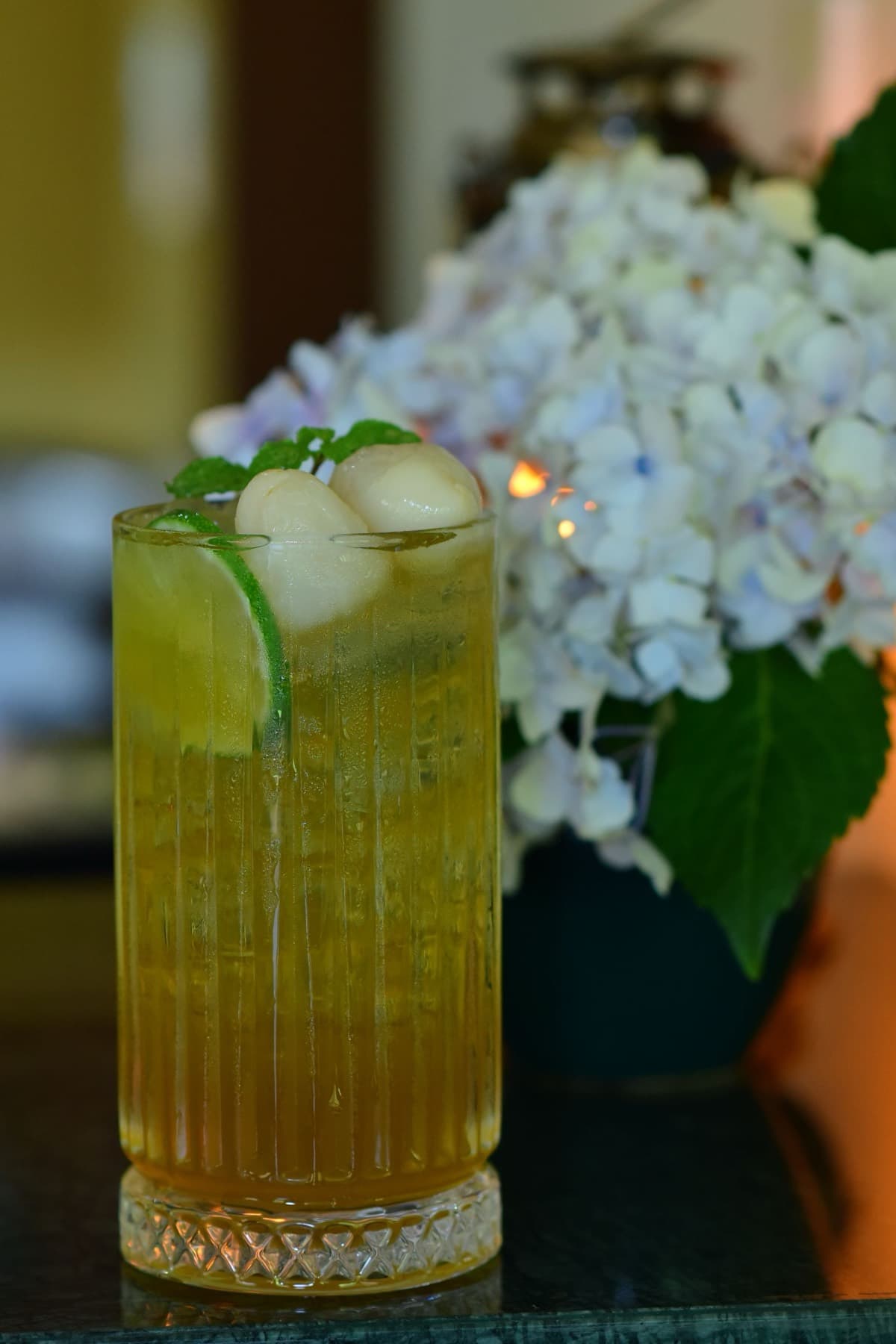
Lychee tea — a summer drink of black tea and lychees at their mid-June to end-of-July peak. How to brew it well, with tables for quantities, a comparison and troubleshooting. Alcohol-free.
What is lychee tea? (quick answer)
Lychee tea (trà vải) is a refreshing drink that combines brewed tea — most commonly black tea, though green tea or oolong also work — with ripe lychee flesh and lychee juice, served over ice. It has a fragrant, sweet lychee aroma, a clean sweetness and a light tea astringency that keeps it from being cloying. It is an alcohol-free drink, well suited to hot weather and easy to serve in large batches at events.
The key to a good glass is the brew: steep at the right temperature and time so the tea is not harshly astringent, then balance with a little lime juice and chill before serving.
This guide covers why July is lychee-tea season, a suggested recipe for two servings, six brewing steps, and three quick-reference tables: ingredient quantities, a comparison with other fruit teas, and troubleshooting.
Why July is lychee-tea season
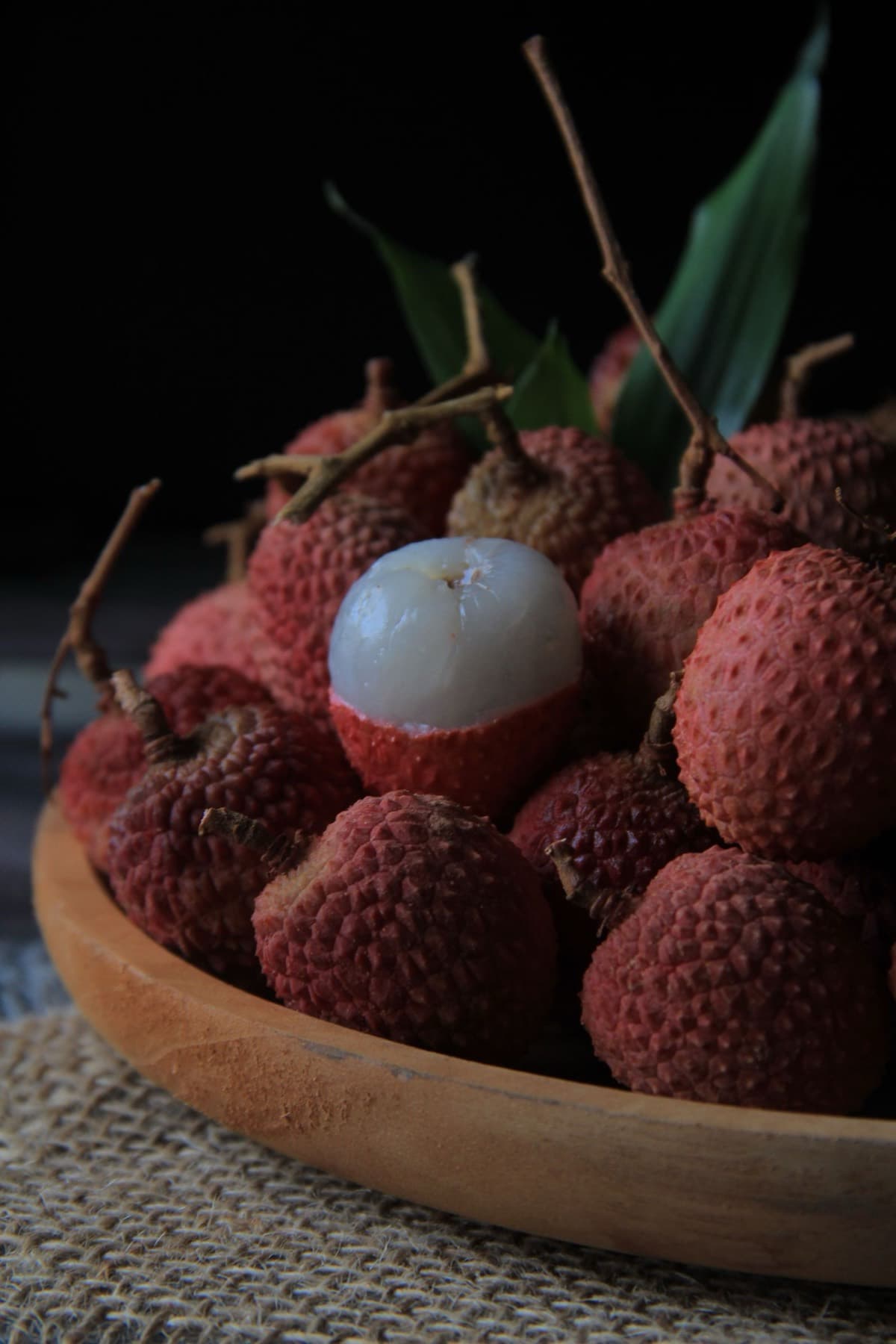
In Vietnam, main-crop lychee typically runs from mid-June to the end of July, centred on Luc Ngan (Bac Giang) and Thanh Ha (Hai Duong) — when lychees are fully ripe, sweet and reasonably priced. So July is ideal for making lychee tea with fresh fruit; off-season, use canned lychee with its syrup.
Nutritionally, fresh lychee is a notable source of vitamin C: per USDA data, 100 g of lychee flesh provides about 71.5 mg of vitamin C and 66 kcal. Note that this is for the fresh fruit, while a finished glass of lychee tea depends on the amount of sugar or syrup added.
A note on accuracy: the season window and the nutrition figures above are drawn from public sources (USDA data for fresh lychee and Vietnamese lychee-season information). These numbers are neutral nutrition references only and are not used to claim any medical benefit.
Ingredients — suggested recipe (2 servings)
This is a suggested recipe for two servings, not a fixed standard — adjust to taste and to how sweet the lychees are. If you use canned lychee, keep the syrup to boost the lychee aroma and reduce the added sugar.
Tools: a teapot or brewing jug, a strainer, a shaker or long stirring spoon, glasses, and a small knife for peeling the lychees.
| Ingredient | Quantity (2 servings) | Role |
|---|---|---|
| Black tea (loose or tea bags) | ~6 g (about 2 tea bags) | Tea base; astringency balances the sweetness |
| Hot water (~90°C) | 300 ml | Steeping the tea |
| Lychee flesh (fresh, peeled and pitted, or canned) | 8–10 pieces | Main lychee aroma and flavour |
| Lychee juice or syrup (if using canned) | 30–40 ml | Boosts lychee aroma and base sweetness |
| Sugar syrup (or sugar) | 20–30 ml, to taste | Adjusts sweetness |
| Lime juice (optional) | 5–10 ml | Balances and freshens |
| Ice and mint leaves (garnish) | a full glass and a few leaves | Cools and adds aroma |
Six brewing steps
1. Brew the tea: put about 6 g of black tea in a jug, pour in 300 ml of water at about 90°C, steep for 4–5 minutes, then strain immediately so it does not turn harshly astringent. Let it cool a little.
2. Prepare the lychee: peel, pit and keep the flesh. If using canned, drain and reserve the syrup.
3. Lightly muddle 3–4 lychees to release the aroma, keeping the rest whole for garnish and eating.
4. Mix: combine the strained tea, sugar syrup, lychee juice (if any) and lime juice in a shaker or stirring glass; stir or shake, then taste and adjust the sweet-sour balance.
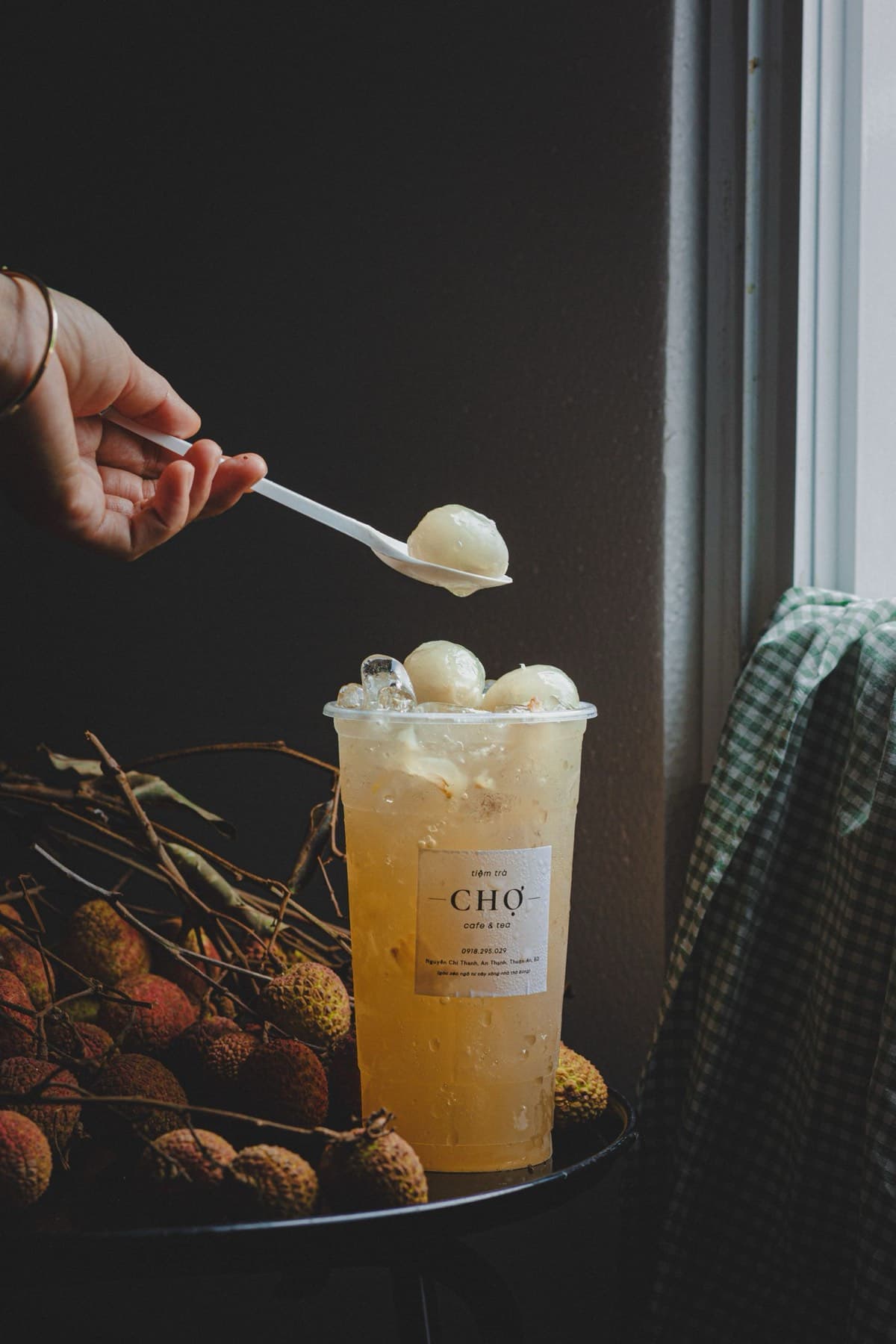
5. Fill a glass with ice, add whole lychees and pour in the lychee tea.
6. Garnish with a few mint leaves and serve cold. For a deeper aroma, chill for 30–60 minutes before serving.
Comparison with other fruit teas
The sweetness and sourness columns below are qualitative and depend on the recipe and the amount of sugar; use them for relative comparison, not as measured data.
| Drink | Main fruit | Sweetness | Sourness | Best season |
|---|---|---|---|---|
| Lychee tea | Lychee | Clean sweet | Light (if lime added) | Mid-June to end of July (main lychee crop) |
| Peach tea | Peach | Sweet | Light to medium | Summer |
| Calamansi tea | Calamansi | Low sweetness | Clearly sour | Year-round |
| Winter-melon tea | Winter melon | Sweet and cooling | Not sour | Summer |
Troubleshooting
If the glass is not quite right, the cause is usually the brew, the amount of lychee or the sweetness. The table below lists common issues and fixes.
| Symptom | Common cause | Fix |
|---|---|---|
| Tea tastes harshly astringent or bitter | Over-steeped or water too hot | Steep 4–5 minutes at about 90°C and strain promptly |
| Flat, weak lychee aroma | Too few lychees or not muddled | Add more lychee, lightly muddle a few, add lychee juice |
| Too sweet | Excess sugar from syrup and canned lychee | Reduce syrup, add lime juice and a little stronger tea to balance |
| Waters down fast as the ice melts | Tea too weak relative to the ice | Brew stronger tea or use large ice cubes, and chill beforehand |
| Odd heavy taste (canned lychee) | Canned lychee syrup too strong | Rinse the lychee lightly, use less syrup, add fresh lychee if available |
Variations & serving at events
Chia-seed or bubble lychee tea: add soaked chia seeds or tapioca pearls for a topping, popular with younger guests.
Mint lychee tea: add more mint and a little lime juice for a cooler, fresher taste — a great alcohol-free welcome drink for outdoor summer events.
Green-tea or oolong lychee tea: swap the black-tea base for green tea or oolong for a lighter, less astringent aroma.
Catering and events: brew a strong tea concentrate in advance and keep it chilled; dilute per glass with lychee juice and ice at service so the tea stays fresh and the ice does not water it down early. Keep whole lychees ready to garnish each glass.
Note: fresh lychee must be fully peeled and pitted, rinsed, and the flesh kept refrigerated before serving. This is an alcohol-free drink, suitable for all guests.
FAQ
Does lychee tea contain alcohol?
No. It is fully alcohol-free — tea, lychee and sugar or lime.
What if it is off-season?
Use canned lychee with its syrup; it is sweeter, so reduce the added sugar syrup.
Which tea base should I use?
Black tea is most common because its astringency balances the lychee sweetness; use green tea or oolong for a lighter aroma.
Why is the tea harshly astringent?
Usually over-steeped or the water was too hot. Steep 4–5 minutes at about 90°C and strain promptly.
How long does lychee tea keep?
Best the same day and refrigerated; fresh lychee loses its aroma over time. Make just enough, or keep the tea concentrate and fruit separate and assemble at service.
References
The figures and facts in this article are drawn from the public sources below (open them to cross-check):

Planning an event?
Get a free quote
Tell us about your event and our team will recommend the right package and send a detailed quote — no commitment.