Recipes
How to Make a Creamy Avocado Smoothie at Home (No Alcohol)
bartender.com.vn · 18/07/2026 · 8 min read
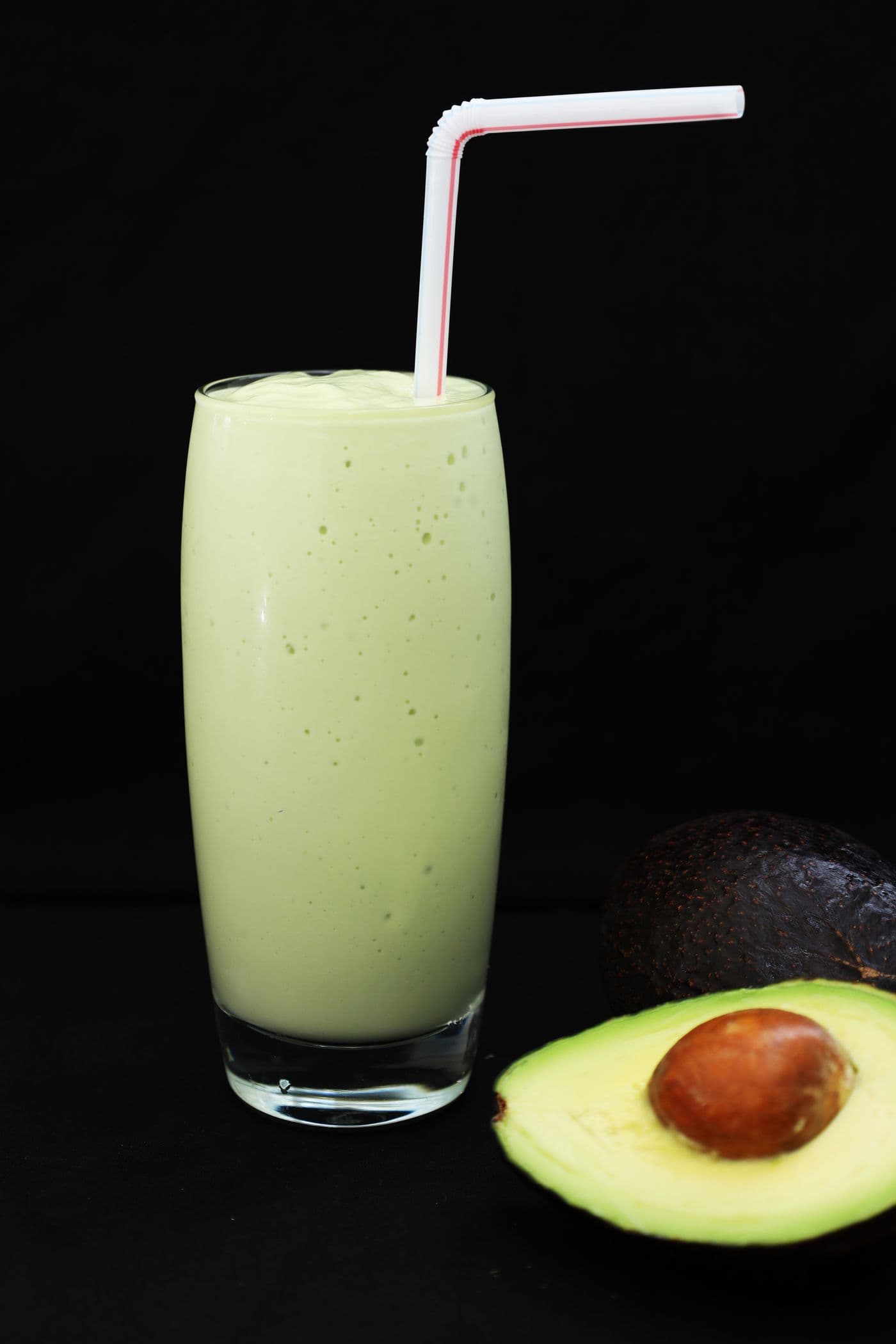
How to make a creamy avocado smoothie at home: 14.66 g good fats and 6.7 g fibre per 100 g per USDA. Quantities, comparisons and troubleshooting.
TL;DR
An avocado smoothie is ripe avocado flesh blended with milk and ice, sweetened to taste with a little sugar or condensed milk — a pale-green, thick, creamy glass with no cream. It is alcohol-free.
Why it is creamy: per USDA (FDC 171705), 100 g of avocado flesh has 14.66 g of fat (mostly monounsaturated, 9.799 g) and 6.7 g of fibre — together they give the smooth, thick texture when blended.
For the best glass: pick a just-ripe avocado (buttery, waxy), blend with very cold milk, keep the sweetness moderate, and drink it right away, as avocado browns and turns bitter when exposed to air.
Quick amounts (suggested recipe, 2 servings): about 200 g avocado flesh + 200–250 ml milk + 15–30 ml sugar or condensed milk (to taste) + a few drops of lime + ice.
Being alcohol-free, it suits every guest, including children.
| Fact | Figure (per 100 g) | Source |
|---|---|---|
| Fat in avocado flesh | 14.66 g (mono 9.799 g) | USDA FDC 171705 |
| Fibre | 6.7 g (banana 2.6 g) | USDA FDC 171705 & 173944 |
| Energy | 160 kcal | USDA FDC 171705 |
| Potassium | 485 mg (banana 358 mg) | USDA FDC 171705 & 173944 |
| Drink type | Alcohol-free — suits all guests | — |
What is an avocado smoothie? (quick answer)
An avocado smoothie is a drink made from ripe avocado flesh blended with milk and ice, sweetened to taste with a little sugar or condensed milk — giving a pale-green, thick, creamy glass without any cream. It is an alcohol-free drink, well suited to cooling off on hot mid-July days.
The keys to a good glass: pick a just-ripe avocado (the buttery, waxy type), blend with very cold milk, keep the sweetness moderate, and drink it right after blending, as avocado flesh browns and turns bitter when exposed to air.
This guide covers USDA nutrition figures, a suggested recipe for two servings, five steps, and five quick-reference tables: avocado nutrition, its fat profile, ingredient quantities, an avocado-versus-banana comparison, and troubleshooting.
Why avocado gives a creamy texture — USDA data
Per USDA FoodData Central (Avocados, raw — FDC 171705), 100 g of avocado flesh contains 14.66 g of fat and only 8.53 g of carbohydrate, of which 6.7 g is fibre. It is exactly this high fat content together with the fibre that lets blended avocado turn thick, smooth and creamy without any added cream.
Per USDA, most of the fat in avocado is monounsaturated — 9.799 g of the total 14.66 g per 100 g. Each 100 g also provides 485 mg of potassium, 81 µg of folate and 2.07 mg of vitamin E. These figures are neutral nutrition references only and are not used to claim any medical benefit.
Note: the figures apply to the fresh flesh; a finished glass also depends on the milk, sugar or condensed milk added.
| Nutrient | Amount per 100 g |
|---|---|
| Energy | 160 kcal |
| Protein | 2.0 g |
| Total fat | 14.66 g |
| Carbohydrate | 8.53 g |
| Fibre | 6.7 g |
| Potassium | 485 mg |
| Magnesium | 29 mg |
| Folate | 81 µg |
| Vitamin E | 2.07 mg |
| Vitamin K | 21 µg |
| Vitamin C | 10 mg |
| Type of fat | Amount per 100 g |
|---|---|
| Total fat | 14.66 g |
| Monounsaturated | 9.799 g |
| Polyunsaturated | 1.816 g |
| Saturated | 2.126 g |
Ingredients — suggested recipe (2 servings)
This is a suggested recipe for two servings, not a fixed standard — sweetness and thickness are to taste, so adjust the milk and sugar before pouring. Because avocado is already rich and not sweet on its own, it is the sweetener (sugar or condensed milk) that needs balancing, not the fat.
Tools: a blender, a knife and board, a spoon to scoop the flesh, and tall glasses.
| Ingredient | Quantity (2 servings) | Role |
|---|---|---|
| Ripe avocado flesh (skin and stone removed) | ~200 g | Main ingredient, creamy body |
| Milk (unsweetened or sweetened) | 200–250 ml | Loosens and blends smooth |
| Sugar or condensed milk | 15–30 ml (to taste) | Sweetens, balances the richness |
| Lime juice | a few drops (optional) | Keeps the green colour, prevents browning |
| Ice cubes | a full glass / about 1 cup | Chills and thickens |
Five steps
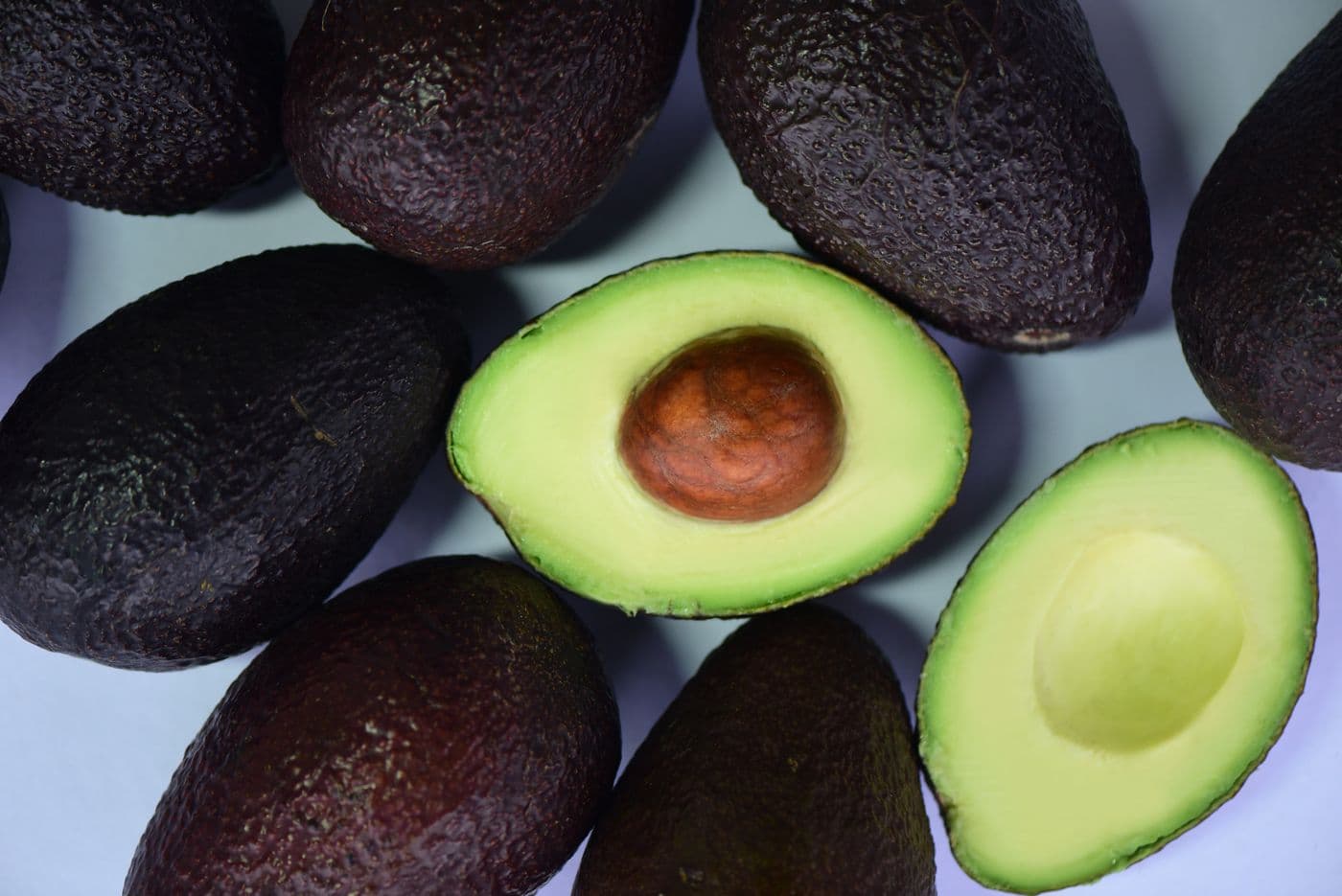
1. Pick and prepare: choose a just-ripe avocado that yields slightly to a gentle squeeze; halve it, remove the stone and scoop out the flesh. Add a few drops of lime juice to keep the colour green.
2. Load the blender: add the avocado flesh, cold milk and the sweetener (sugar or condensed milk); add ice.
3. Blend smooth: blend in short pulses until smooth and thick; avoid over-blending, which heats the machine and can turn the avocado bitter.
4. Taste and adjust: add milk if too thick or sugar if bland, then blend a few more seconds.
5. Pour and serve immediately: pour into glasses, optionally drizzle a little condensed milk down the sides; it is best and greenest right after blending.
Avocado versus banana — the classic smoothie duo (USDA)
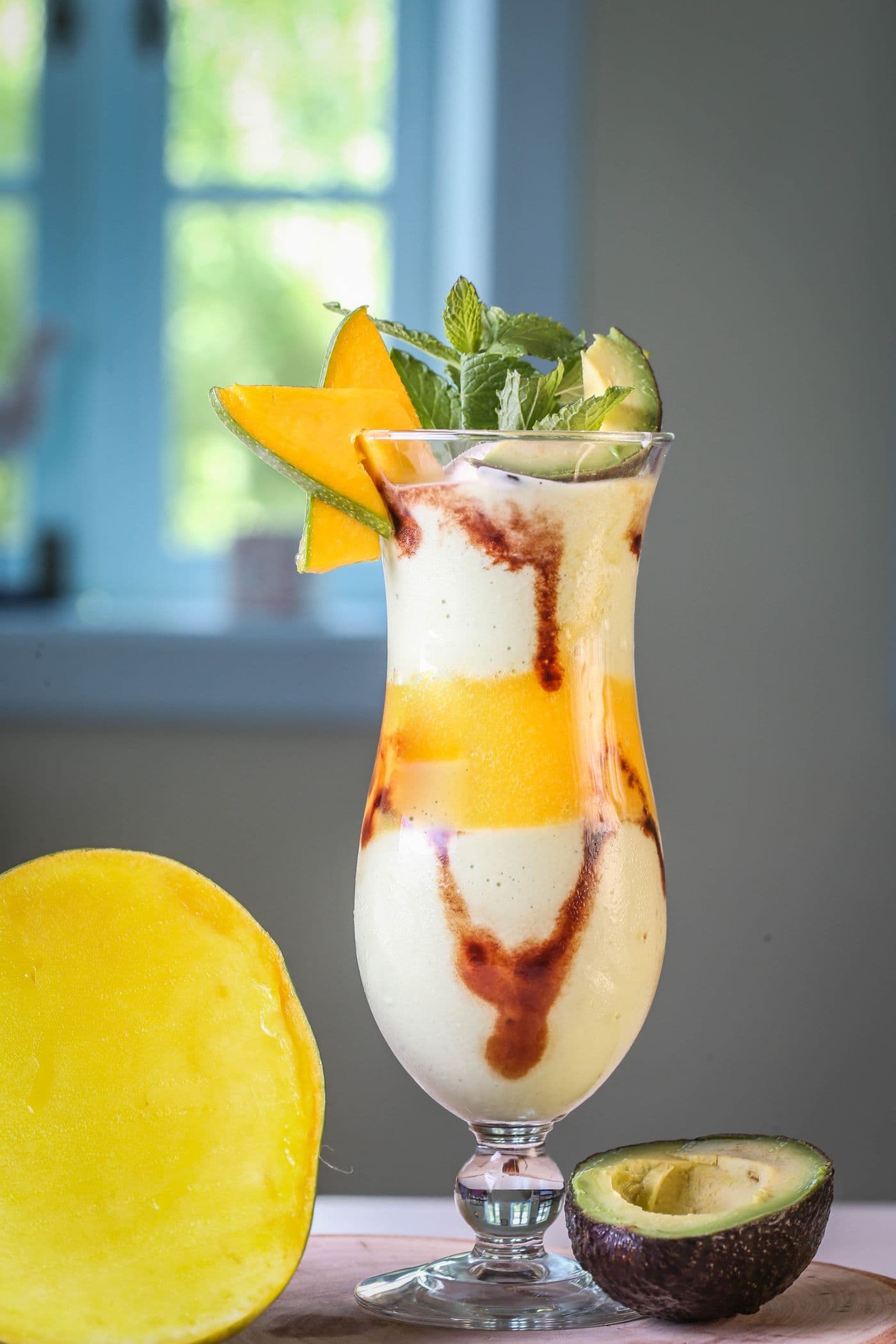
Avocado and banana are a classic smoothie duo because they complement each other: per USDA, 100 g of avocado has 160 kcal with 14.66 g of fat for creaminess, while 100 g of banana has only 89 kcal but 22.84 g of carbohydrate for natural sweetness. Adding a little banana to an avocado smoothie makes it gently sweet with less added sugar.
Quick read: avocado brings fat and fibre (6.7 g/100 g, more than banana's 2.6 g per USDA), while banana brings sweetness and potassium; together they make a balanced rich-and-sweet glass.
| Ingredient (100 g) | Energy | Fat | Fibre | Carbohydrate | Potassium |
|---|---|---|---|---|---|
| Avocado (FDC 171705) | 160 kcal | 14.66 g | 6.7 g | 8.53 g | 485 mg |
| Banana (FDC 173944) | 89 kcal | 0.33 g | 2.6 g | 22.84 g | 358 mg |
Troubleshooting
Most problems with an avocado smoothie come down to the ripeness of the fruit, the blending and the serving time. The table lists common issues and fixes.
| Symptom | Common cause | Fix |
|---|---|---|
| Turns brown / dull | Flesh exposed to air too long | Add a few drops of lime, blend and drink promptly, seal if waiting |
| Bitter taste | Under-ripe avocado or over-blending heats the machine | Choose a just-ripe avocado; pulse in short bursts and add ice to keep it cool |
| Too thin | Too much milk or melted ice | Add more avocado, reduce milk, use large ice cubes and blend quickly |
| Separates when left to stand | Fresh smoothie has no stabilisers | Blend only what you will use, stir before drinking, keep very cold |
| Too sweet or cloying | Too much sugar or condensed milk | Cut the sweetener, add a little lime and fresh milk to lighten it |
Variations & serving at events
Avocado-banana smoothie: add half a ripe banana when blending for more natural sweetness and less sugar (banana is 89 kcal/100 g per USDA).
Avocado-coconut smoothie: replace part of the milk with coconut milk for a tropical, richer aroma.
Avocado-cacao smoothie: add a tablespoon of unsweetened cacao powder for a deeper flavour.
Catering and events: blend in small batches, as avocado browns easily; keep very cold and use within 1–2 hours; add a few drops of lime to hold the colour, and stir before pouring. As an alcohol-free drink it suits all guests, including children.
In short, a good avocado smoothie comes down to three things: pick a just-ripe avocado, blend it with very cold milk, and drink it right after blending to keep the full green colour and creamy taste.
FAQ
Does an avocado smoothie contain alcohol?
No. It is fully alcohol-free — avocado flesh, milk, ice and optionally a little sugar or condensed milk.
Which avocado should I choose?
A just-ripe one that yields slightly to a gentle squeeze; the buttery, waxy type has rich, low-fibre flesh that blends smoother and thicker.
What milk works?
Unsweetened milk, sweetened milk, diluted condensed milk or plant milks all work; just adjust the sugar to taste.
Why did my avocado smoothie turn bitter?
Usually an under-ripe avocado or over-blending that heats the machine; pick a ripe one, pulse in short bursts and add ice to keep the jug cool.
How long does it keep?
Best right after blending; if you must wait, seal it, keep it very cold, use within 1–2 hours and add a few drops of lime to prevent browning.
References
USDA FoodData Central — Avocados, raw (FDC ID 171705). Accessed 18 July 2026. https://fdc.nal.usda.gov/
USDA FoodData Central — Bananas, raw (FDC ID 173944). Accessed 18 July 2026. https://fdc.nal.usda.gov/
Nutrition figures in this article are drawn from the two USDA records above. Ingredient quantities and the tips on choosing, blending and preventing browning are a suggested recipe and craft experience, not measured data.
Planning an event?
Get a free quote
Tell us about your event and our team will recommend the right package and send a detailed quote — no commitment.