Recipes
How to Make Fresh Watermelon Juice at Home (Alcohol-Free)
bartender.com.vn · 17/07/2026 · 8 min read
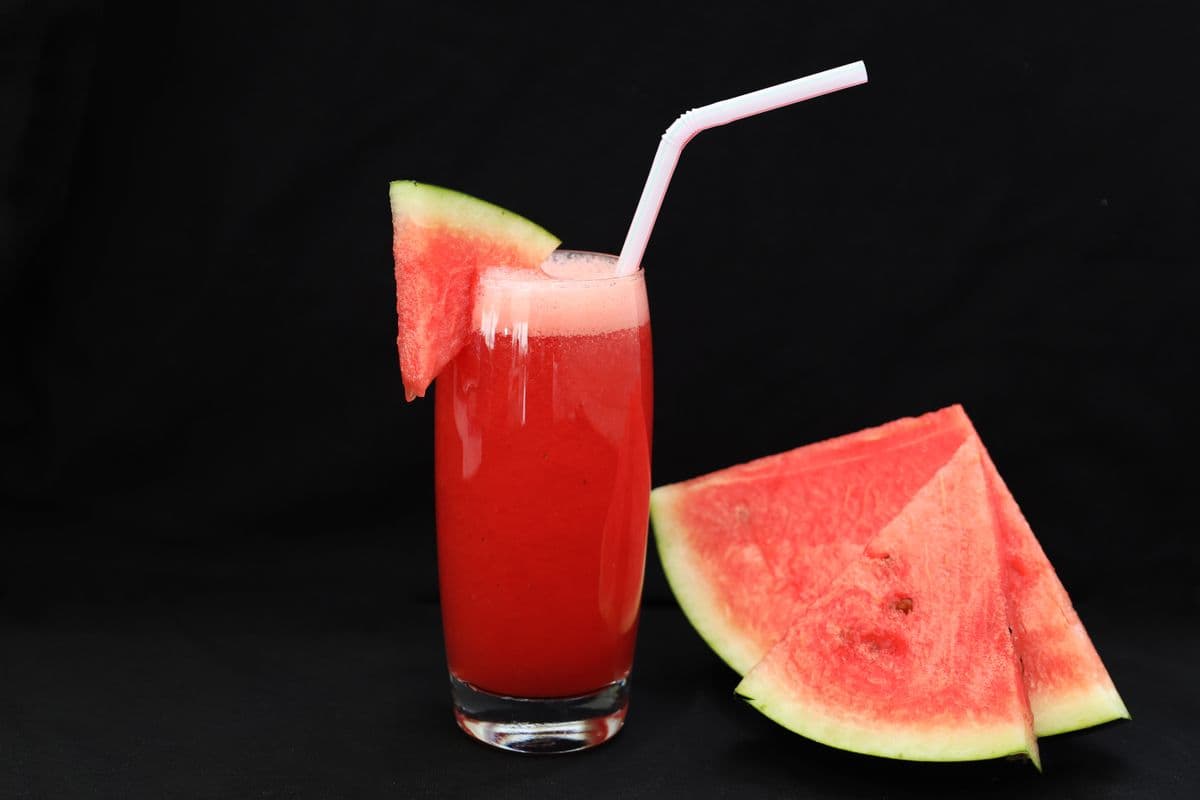
How to make watermelon juice for hot days: 91.45% water, just 30 kcal per 100 g per USDA. Quantities, juice comparisons and troubleshooting. Alcohol-free.
What is watermelon juice? (quick answer)
Watermelon juice is a refreshing drink made from ripe watermelon flesh, juiced or blended and strained, usually seasoned with a little lime juice and served over ice. It has a signature bright-red colour, a light natural sweetness and a very high water content — an alcohol-free drink that suits hot mid-July days.
The keys to a good glass: pick a ripe red melon, chill the fruit before juicing, add a touch of lime so the flavour does not taste flat, and drink it right away, as fresh juice separates quickly.
This guide covers USDA nutrition figures, a suggested recipe for two servings, five steps, and four quick-reference tables: nutrition, ingredient quantities, a comparison with other fruit coolers, and troubleshooting.
Why watermelon suits hot weather — USDA data
Per USDA FoodData Central (Watermelon raw, FDC 167765), 100 g of fresh watermelon flesh contains 91.45 g of water and only 30 kcal — among the most watery, lowest-energy fruits. The same entry lists 6.2 g of natural sugars, 112 mg of potassium and 8.1 mg of vitamin C per 100 g.
Watermelon also holds about 4,532 µg of lycopene per 100 g — higher than the 2,573 µg listed for tomatoes in the same USDA-based reference. These figures are neutral nutrition references only and are not used to claim any medical benefit.
Note: the figures apply to the fresh fruit; a finished glass depends on any added syrup or sugar.
| Nutrient | Amount per 100 g |
|---|---|
| Water | 91.45 g |
| Energy | 30 kcal |
| Carbohydrate | 7.55 g |
| Natural sugars | 6.2 g |
| Potassium | 112 mg |
| Vitamin C | 8.1 mg |
| Lycopene | 4,532 µg |
Ingredients — suggested recipe (2 servings)
This is a suggested recipe for two servings, not a fixed standard — ripe watermelon is already sweet (about 6.2 g natural sugars per 100 g per USDA), so added sugar is usually unnecessary; taste first, then decide.
Tools: a slow juicer or blender, a fine strainer, a knife and board, and tall glasses.
| Ingredient | Quantity (2 servings) | Role |
|---|---|---|
| Ripe watermelon flesh (rind and seeds removed) | ~500 g | Main ingredient, colour and flavour |
| Lime juice | 5–10 ml (optional) | Balances and freshens |
| Sugar syrup | 0–15 ml (usually not needed) | Only if the melon is bland |
| Salt | 1 small pinch (optional) | Sharpens the sweetness |
| Mint leaves | a few | Garnish and aroma |
| Ice cubes | a full glass | Chills the drink |
Five steps
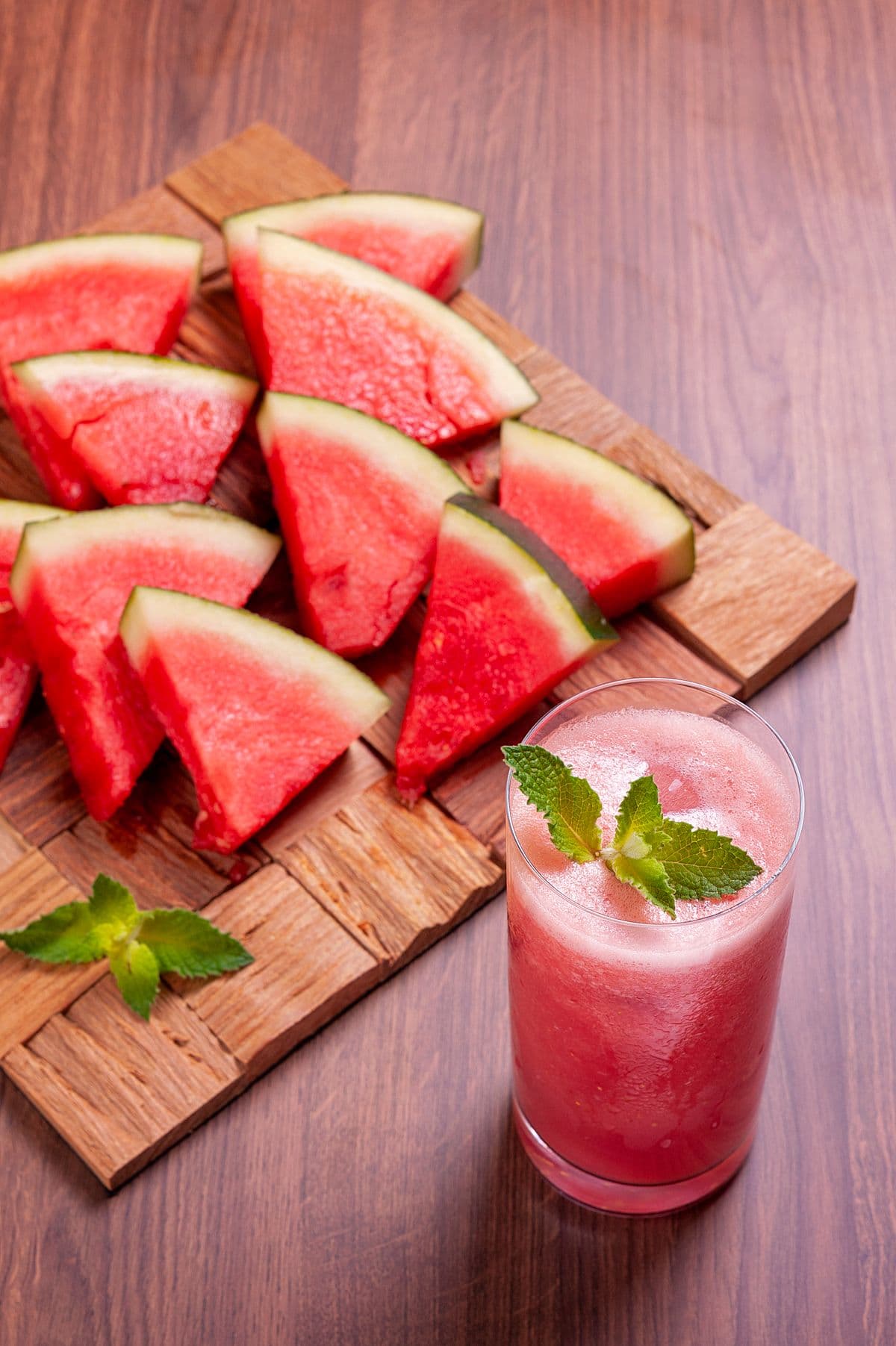
1. Pick and prepare: choose a melon that feels heavy for its size with deep-red flesh; remove the rind and seeds, cut into cubes of about 3 cm, and chill the fruit 1–2 hours beforehand so the glass stays cold without extra ice.
2. Juice or blend: use a slow juicer, or blend and strain through a fine sieve to remove pulp and foam.
3. Season: add lime juice and taste; add syrup only if the melon is bland. A small pinch of salt is optional.
4. Pour: fill glasses with ice and pour; stir the juice first, as watermelon juice settles and separates quickly.
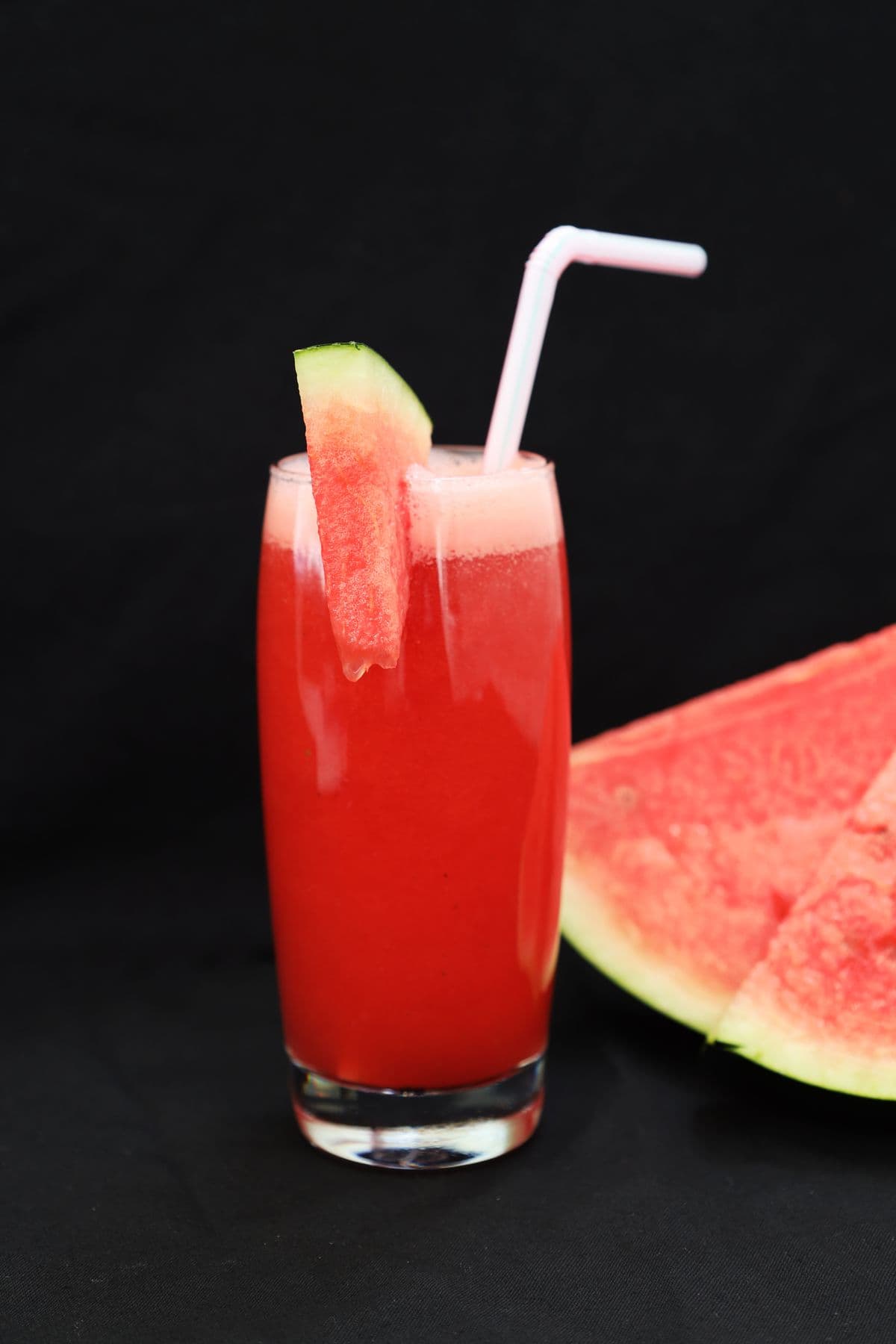
5. Garnish and serve immediately: a thin melon slice on the rim and a few mint leaves. It is best right after juicing.
Comparison with other fruit coolers (USDA)
The table compares watermelon with other popular fresh ingredients for coolers, per 100 g of the fresh edible part (coconut water measured as the liquid itself), per USDA FoodData Central — before any added sugar.
Quick read: within this group, watermelon ranks second for water content and second-lowest for energy (after coconut water), a natural fit for high-volume hot-day refreshment.
| Ingredient (100 g) | Energy | Water | Vitamin C | Potassium |
|---|---|---|---|---|
| Coconut water | 19 kcal | 94.99 g | 2.4 mg | 250 mg |
| Watermelon | 30 kcal | 91.45 g | 8.1 mg | 112 mg |
| Cantaloupe | 34 kcal | 90.15 g | 36.7 mg | 267 mg |
| Orange | 47 kcal | 86.75 g | 53.2 mg | 181 mg |
| Pineapple | 50 kcal | 86.0 g | 47.8 mg | 109 mg |
Troubleshooting
If the glass is not quite right, the cause is usually the ripeness of the melon, the chilling step or the serving time. The table lists common issues and fixes.
| Symptom | Common cause | Fix |
|---|---|---|
| Juice separates and settles | Fresh juice has no stabilisers | Stir before pouring or drinking, add a little lime, serve right after juicing |
| Flat, weak taste | Under-ripe or bland melon | Pick a heavy melon with deep-red flesh; add lime juice and a small pinch of salt |
| Too sweet | Syrup added to an already sweet melon | Skip the syrup, add lime; taste before seasoning |
| Too much foam | High-speed blending or fast juicing | Strain through a sieve, skim the foam, rest 1–2 minutes before pouring |
| Waters down fast as ice melts | Fruit not chilled beforehand | Chill the fruit 1–2 hours before juicing and use large ice cubes |
Variations & serving at events
Mint watermelon: lightly muddle a few mint leaves in the glass before pouring — cooler and fresher, great as an outdoor welcome drink.
Watermelon-lime with a salt pinch: raise the lime to 10–15 ml for two servings plus a pinch of salt for a sweet-sour-salty garden cooler.
Watermelon-pineapple mix: swap a quarter of the melon for fresh pineapple for a tropical sweet-sour note (pineapple is 50 kcal per 100 g per USDA, so the glass gets sweeter and fuller).
Catering and events: juice in large batches, keep chilled and use within the day; always stir before pouring each glass, and pre-cut thin garnish slices for a consistent look. As an alcohol-free drink it suits all guests, including children.
FAQ
Does watermelon juice contain alcohol?
No. It is fully alcohol-free — watermelon, lime, ice and optionally a little syrup and salt.
Juicer or blender?
A slow juicer gives the clearest, least foamy result; a blender works well too if you strain the juice.
Do I need added sugar?
Usually not. Ripe watermelon already carries about 6.2 g of natural sugars per 100 g per USDA — taste first and add syrup only if the melon is bland.
How long does it keep?
Best immediately after juicing; otherwise sealed and refrigerated, used the same day, stirred before serving as it separates quickly.
How do I pick a good melon?
A practical rule of thumb: heavy for its size with a taut, glossy rind; deep-red flesh gives the best colour. This is experience-based advice, not a measured standard.
References
The figures and facts in this article are drawn from the public sources below (open them to cross-check):

Planning an event?
Get a free quote
Tell us about your event and our team will recommend the right package and send a detailed quote — no commitment.