Drink recipes
Aloe Vera Rock Sugar Drink: How to Prep It and the Truth About the Yellow Latex
bartender.com.vn · 24/07/2026 · 9 min read
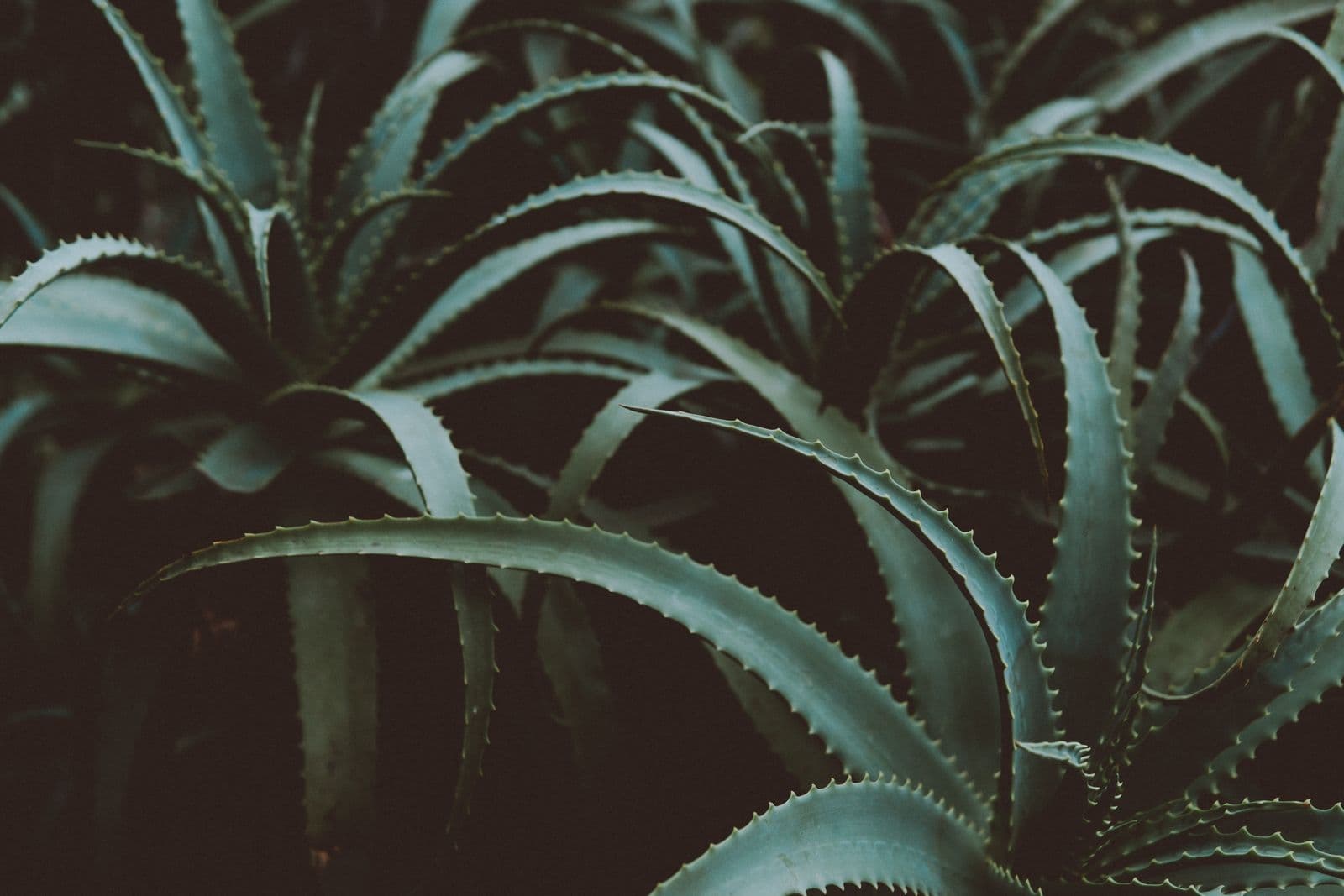
Aloe vera rock sugar drink, alcohol-free. How to strip the yellow latex that carries aloin (an EFSA concern) and keep the syrup light, per WHO.
TL;DR
Last updated: 24/07/2026.
Aloe vera rock sugar drink (nha dam duong phen) is a summer cooling drink: the clear inner-leaf gel of the aloe vera plant is peeled, cleaned of its yellow latex, diced, then simmered with rock sugar syrup, often with pandan for aroma. It is a NON-alcoholic drink suitable for every guest, including children.
The key safety point: use only the clear inner gel; the yellow latex just under the skin must be fully removed because it contains aloin — a hydroxyanthracene derivative that the European Food Safety Authority (EFSA) says should be regarded as genotoxic and carcinogenic unless data prove otherwise.
On sugar: rock sugar is a free sugar just like table sugar. WHO recommends cutting free sugars to below 10% of total energy, and a further cut to below 5% (about 25 g per day) brings extra benefit — so keep the syrup light and adjust to taste.
All nutrition figures here are stated neutrally with sources and are not claims to prevent or treat any disease.
| Fact | Figure | Source |
|---|---|---|
| Edible part | Clear inner-leaf gel, about 95% water | Aloe vera review, PMC 2021 |
| Part to remove | Yellow latex under the skin, contains aloin (anthraquinone) | EFSA 2018 / NCCIH |
| Warning on aloin | Should be regarded as genotoxic and carcinogenic unless data prove otherwise | EFSA 2018 |
| Aloe latex in laxatives | Since 2002 the FDA required aloe latex removed from OTC laxatives | NCCIH |
| Recommended free sugars | Below 10% of energy; ideally below 5% (~25 g/day) | WHO 2015 |
What is aloe vera rock sugar drink?
Short answer: it is a cooling drink of diced aloe vera gel simmered in rock sugar syrup, served cold over ice; many add pandan leaf or chia seeds for aroma and body.
Aloe vera is a succulent that thrives in hot, dry climates. The edible part is the clear, colourless gel in the leaf core — according to a scientific review of aloe vera, this inner gel is about 95% water.
It is popular in hot weather for its clean, cooling taste and the crunchy bite of the aloe cubes. Because it is entirely alcohol-free, it suits family gatherings, cafés and events with children.
Do not confuse two things that are often mixed up: aloe (the edible clear gel) and aloe latex (the yellow sap right under the skin). They differ in safety, and most of the prep work is about removing that yellow latex.
Anatomy of the aloe leaf: skin, yellow latex and inner gel
Short answer: an aloe leaf has three layers — the green outer skin, the bitter yellow latex just beneath it, and the clear gel at the core. Only the clear inner gel is used for the drink.
According to a review of aloe vera properties, the latex sits in the middle layer as a bitter yellow sap made of glycosides and anthraquinones, while the inner gel is mostly water. That is exactly why prep must peel away all the skin and rinse off the yellow latex.
The US health agency (NCCIH also draws the distinction: aloe products can be made from the gel — inner leaf, the latex — outer layer, or the whole crushed leaf) — these are not the same in safety, so for drinks we use only the cleaned inner gel.
| Layer | Location | Main content | Use in drinks? |
|---|---|---|---|
| Green skin | Outermost | Firm tissue, chlorophyll | No — peel off |
| Yellow latex (aloe latex) | Just under the skin | Aloin, anthraquinones (bitter yellow sap) | No — must be removed |
| Clear gel | Leaf core | About 95% water, vitamins, minerals | Yes — the part used |
Safety: why the yellow latex must be removed
Short answer: the cleaned clear gel is the part commonly used in food, but the yellow latex containing aloin must be removed — this is the single most important safety point of the drink.
EFSA concluded that hydroxyanthracene derivatives — the group that includes aloin — should be regarded as genotoxic and carcinogenic unless there are specific data to the contrary; it also noted that aloe vera leaves contain aloin A and aloin B, and that it could not set a daily intake considered safe for this group of compounds.
Taken orally, NCCIH says aloe latex can cause abdominal pain, cramps and diarrhea, and that since 2002 the FDA required aloe latex to be removed from over-the-counter laxatives for lack of safety data; the International Agency for Research on Cancer has classified whole-leaf aloe extract as a possible human carcinogen.
In practice the message is clear: peel off all skin, rinse thoroughly until the yellow sap is gone, and keep only the clear gel with no bitter taste. Pregnant women, young children and people with underlying conditions should be cautious and seek professional advice before regular use.
Nutrition of aloe gel
Short answer: aloe gel is mostly water (about 95%), with a little of some vitamins, minerals and plant compounds — so the gel itself is very low in energy, and most of a glass's calories come from added rock sugar.
According to the review of aloe vera properties, the inner-leaf gel contains about 95% water plus vitamins A, C, E, the B group (B1, B2, B6, B12), choline, folic acid, and minerals such as calcium, magnesium, potassium, sodium, zinc, iron and copper. This article does not give milligram figures per nutrient because values vary by cultivar, growing conditions and preparation.
Because the gel is almost entirely water, do not expect it to be a dense source of nutrition; the value of the drink is that it is cool, crunchy and low in calories when the syrup is kept light. These are qualitative composition notes, not medical advice.
| Group | Detail |
|---|---|
| Water | About 95% of the inner gel by weight |
| Vitamins | A, C, E, B1, B2, B6, B12, choline, folic acid |
| Minerals | Calcium, magnesium, potassium, sodium, zinc, iron, copper |
| Energy note | Gel is very low calorie; a glass's calories come mainly from rock sugar |
Rock sugar and how much sugar: the WHO guidance
Short answer: rock sugar is not healthier than table sugar in terms of free sugars — both are added sugars. Keep the syrup light and treat rock sugar as a free sugar to control.
Applied to the glass: a batch of aloe rock sugar drink can easily exceed the 25 g sugar mark if made sweet. At the bar, cook a light syrup, sweeten gradually, and dilute with water or ice to lower the overall sweetness.
| Level | Figure WHO states |
|---|---|
| Reduce free sugars (strong recommendation) | Below 10% of total energy |
| Further reduction (conditional recommendation) | Below 5% of total energy |
| The 5% level in grams | About 25 g (~6 teaspoons) per day |
How to prepare aloe correctly
Short answer: preparing aloe is a sequence to strip the skin and yellow latex and de-slime the gel for crunch — peel, rinse off the latex, toss with salt, blanch briefly, then plunge into iced water.
Follow these five steps:
Aloe rock sugar recipe (estimated ratios)
Short answer: this is a SUGGESTED recipe from trade experience, not measured data — taste and adjust the sugar, and keep it light in line with the WHO guidance above.
The ratios below are estimates to follow for a batch of about 1 litre; scale up or down for the number of guests.
Quick method: simmer water with rock sugar and pandan until dissolved, cool it, add the prepared aloe gel, stir, chill and serve over ice.
| Ingredient | Amount (estimated) | Note |
|---|---|---|
| Prepared aloe gel | About 200 g | Diced, de-slimed and de-bittered |
| Water | About 1 litre | For the syrup |
| Rock sugar | About 60–80 g (light) | Estimate; reduce to lower total sugar |
| Pandan leaf | 2–3 leaves | Optional, for aroma |
| Ice cubes | To taste | Serve cold |
Variations and serving at the bar
Short answer: because aloe gel is neutral in taste, it pairs easily with different bases at the bar — as long as you keep it cold and the syrup light.
Troubleshooting table
Short answer: almost every fault in this drink comes back to how the aloe was prepared and how much sugar was used. The table below is trade experience, not measured data.
In short, aloe rock sugar drink is an easy non-alcoholic cooler, but its quality and safety come down to two things: fully removing the aloin-bearing yellow latex, and keeping the sugar light in line with WHO guidance.
| Symptom | Common cause | Fix |
|---|---|---|
| Bitter aloe cubes | Yellow latex not fully removed | Peel deeper, rinse more, taste before cooking |
| Slimy, not crunchy aloe | Not salted/blanched, or blanched too long | Salt and rinse off slime, blanch briefly then ice-bath |
| Drink too sweet | Too much rock sugar | Cook a light syrup, add water or ice, sweeten gradually |
| Aloe tough or shrunken | Blanched too long at high heat | Blanch only a few tens of seconds, then straight to iced water |
| Drink spoils quickly, off smell | Not kept cold continuously | Keep refrigerated, use same day, seal well |
Frequently asked questions
Does aloe rock sugar drink contain alcohol?
No. It is only aloe gel, water, rock sugar and optional pandan or chia — entirely alcohol-free and suitable for children.
Why is the aloe bitter?
Because some yellow latex (aloe latex) near the skin remains. Peel carefully and rinse repeatedly until the bitterness is gone; per EFSA, the compounds in this latex should be regarded as genotoxic and carcinogenic unless data prove otherwise.
Is rock sugar better than table sugar?
For free sugars they are equivalent. WHO recommends keeping free sugars below 10% of energy (ideally below 5%, about 25 g per day), so keep the syrup light whichever sugar you use.
Is aloe gel nutritious?
The gel is about 95% water with a little vitamins and minerals; it is cool and low in calories rather than a dense nutrition source. Figures are for reference, not medical advice.
Who should be cautious?
Pregnant women, young children and people with underlying conditions should seek professional advice; per NCCIH, oral aloe latex can cause abdominal pain, cramps and diarrhea.
References
World Health Organization (WHO) — WHO calls on countries to reduce sugars intake among adults and children (2015). Accessed 24/07/2026. https://www.who.int/news/item/04-03-2015-who-calls-on-countries-to-reduce-sugars-intake-among-adults-and-children
National Center for Complementary and Integrative Health (NCCIH) — Aloe Vera. Accessed 24/07/2026. https://www.nccih.nih.gov/health/aloe-vera
A comprehensive overview of functional and rheological properties of aloe vera and its application in foods — PMC (2021). Accessed 24/07/2026. https://pmc.ncbi.nlm.nih.gov/articles/PMC7925795/
EFSA — Safety of hydroxyanthracene derivatives for use in food (EFSA Journal 2018), PMC mirror. Accessed 24/07/2026. https://pmc.ncbi.nlm.nih.gov/articles/PMC7009633/
Figures on water, vitamins, minerals, aloin and sugar in this article are drawn from the four sources above. Recipe ratios and prep tips are suggestions and trade experience, not measured data.
Planning an event?
Get a free quote
Tell us about your event and our team will recommend the right package and send a detailed quote — no commitment.