Recipes
Fermented Passion Fruit Beer: How to Brew It at Home & How to Enjoy It
Pinkybee · 29/06/2026 · 7 min read
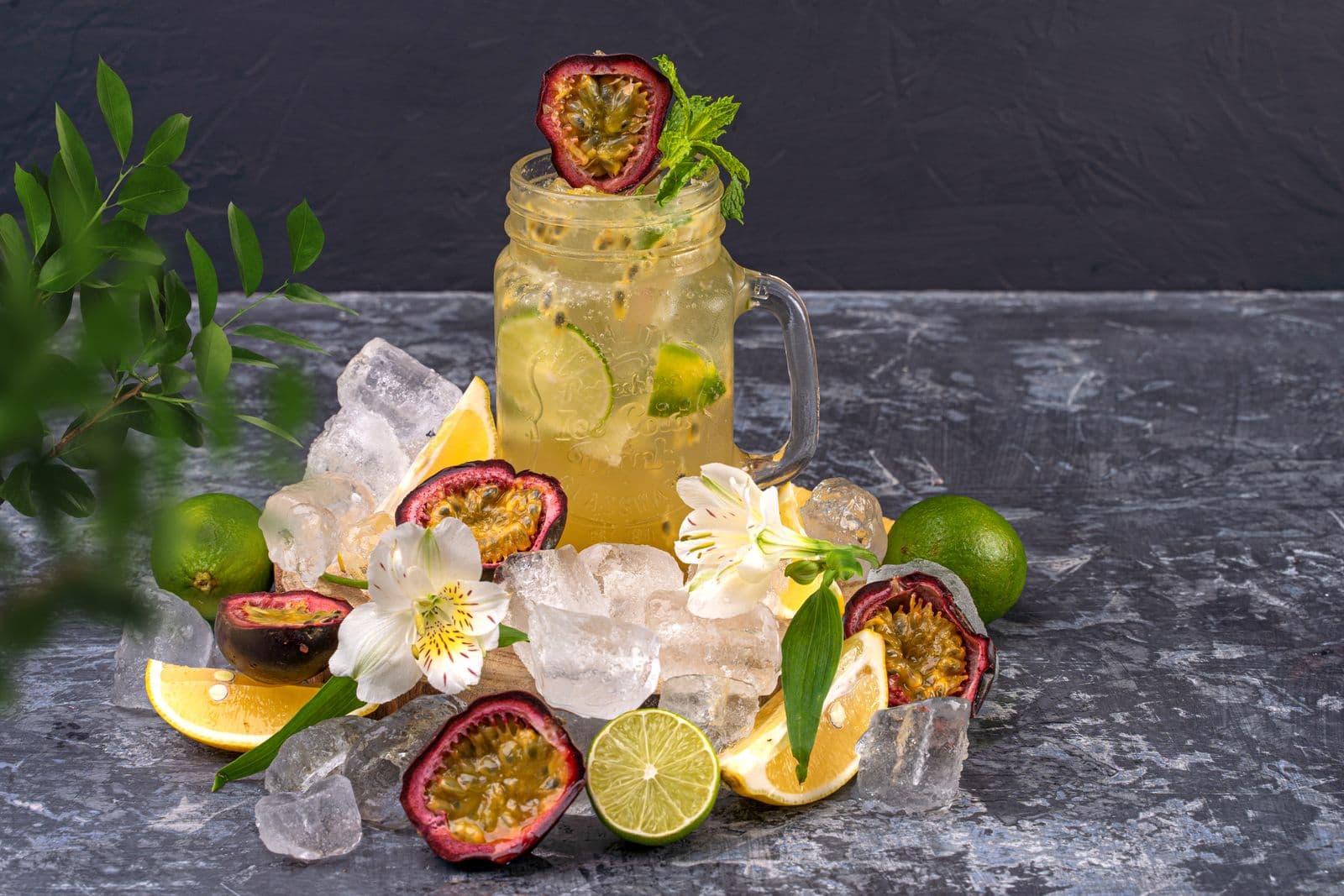
Passion fruit beer is a lightly fermented passion fruit drink with natural fizz and a sweet-tart tropical flavour. Here's how to brew it safely at home, keep the alcohol in check, and serve it at a party.
What is fermented passion fruit beer?
Passion fruit beer is a fruit-based fermented drink: passion fruit juice is mixed with sugar, then yeast is added and the mixture is sealed and left to ferment for a few days, letting the yeast convert the sugar into CO2 and a small amount of alcohol. The result is a naturally fizzy drink with the sweet-tart tropical flavour that passion fruit is famous for. This is NOT a malt beer (barley, hops) — it's closer to a craft 'fruit soda / fruit beer'.
The alcohol content of passion fruit beer is LOW and rises gradually with fermentation time: the longer you ferment, the more sugar the yeast eats, so the drink gets more tart, more fizzy and higher in alcohol. A very short ferment (kombucha-style) leaves it virtually alcohol-free; a longer ferment turns it into a lightly alcoholic drink. This article shows you how to brew it at home and how to time it so it stays light and easy to drink.
A note: fermented alcoholic drinks are for people aged 18 and over, and you should drink responsibly. If you'd prefer a completely alcohol-free version, check out the passion fruit juice and mocktail ideas at the end of this article.
Ingredients you'll need
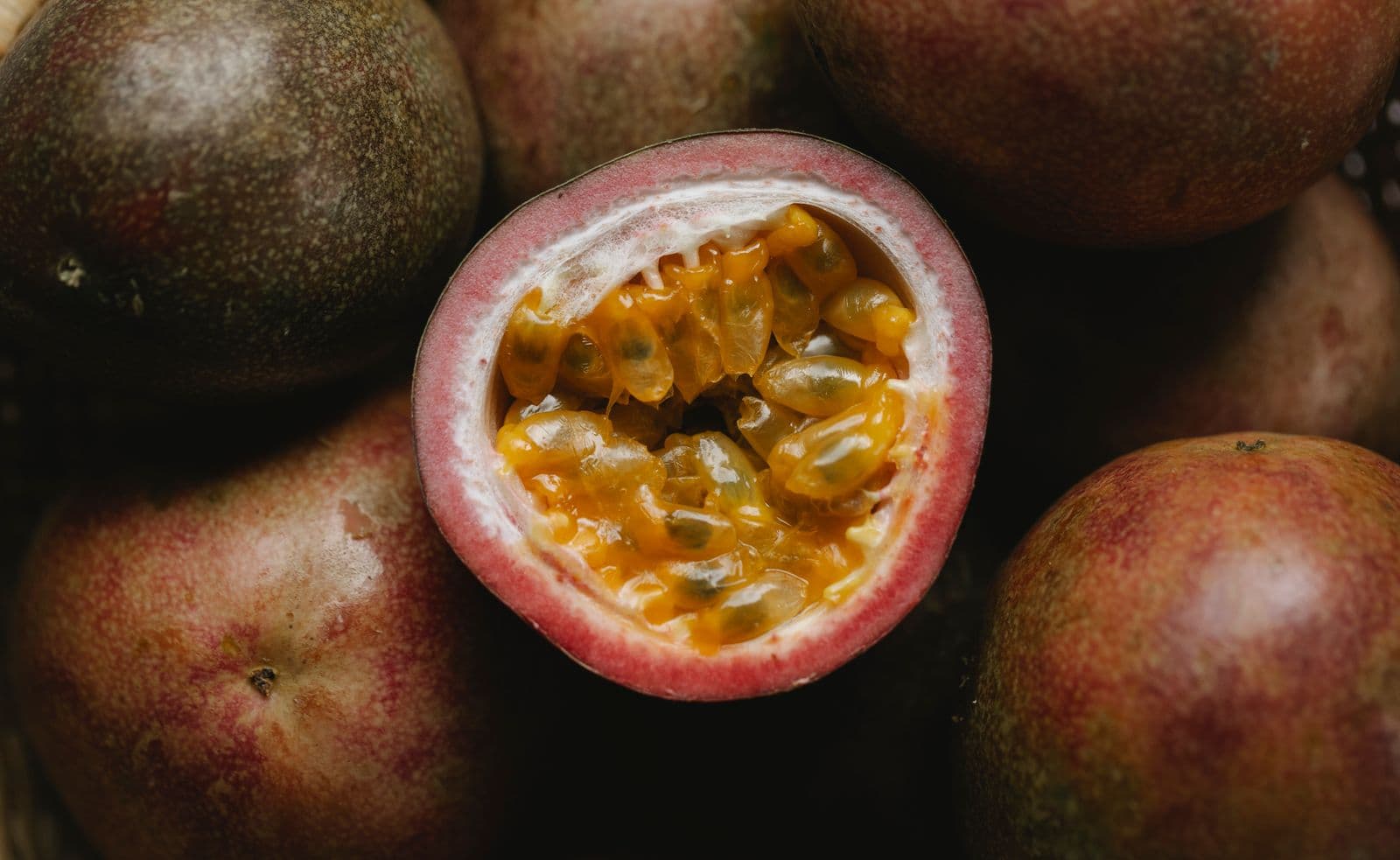
For roughly 1 litre of passion fruit beer you'll need: the juice of 4–6 passion fruits (strain out some of the seeds if you like), about 80–120g of sugar (granulated or cane sugar — the more sugar, the more fizz and alcohol the yeast will produce), about 900ml of filtered water that has been boiled and cooled, and a small amount of yeast: dried brewing yeast or baking yeast both work; more experienced brewers can go for a wild ferment using the natural yeast on the fruit skins.
For equipment: a wide-mouth glass jar or jug with a lid for fermenting, a strainer, a funnel, and a few thick glass bottles with airtight caps for bottling and holding the fizz. Choose pressure-resistant glass bottles (the kind used for beer or fizzy drinks) rather than thin plastic ones. All equipment should be rinsed with boiling water or washed thoroughly before use — hygiene is what makes or breaks a batch.
The ratios above are just a starting point for reference; you should taste and adjust the sugar and passion fruit to your liking in later batches. Ripe passion fruit (with slightly wrinkled skin) is more fragrant and sweeter than green, under-ripe fruit.
| Ingredient | Amount | Notes |
|---|---|---|
| Passion fruit pulp | 4–6 fruits | Strain out some seeds if desired |
| Sugar (cane or white) | 80–120 g | More sugar means more fizz and alcohol |
| Cooled boiled water | ~900 ml | Water must be cool before adding yeast |
| Yeast (dry brewing or baking yeast) | A small amount | Wild fermentation with natural yeast is possible |
How to make fermented passion fruit beer, step by step
Step 1 — Make the base liquid: dissolve the sugar fully in warm water, let it cool to room temperature, then mix in the passion fruit juice. The liquid must be cool (lukewarm to the touch, not hot) before you add the yeast, because hot liquid will kill the yeast.
Step 2 — Add the yeast & ferment: sprinkle in the yeast, stir gently, cover loosely or use a lid fitted with an airlock, then place it somewhere cool and airy, out of direct sunlight. Ferment at room temperature for about 2–4 days. During this time you'll see bubbles rising — that's the yeast at work.
Step 3 — Taste & catch the stopping point: from day two, taste it daily. Once it reaches a sweet-tart-fizzy balance you like (remember: the longer it sits, the more tart and the more alcoholic it gets), strain it through a sieve, bottle it in clean bottles, and seal tightly.
Step 4 — Chill to slow the fermentation: put the bottles in the fridge. The cold slows the yeast almost to a stop, helping you 'lock in' the flavour and fizz at the level you like. It's at its best when enjoyed cold within a few days.
Controlling the alcohol & staying safe while fermenting
Pressure safety is the single most important thing. The yeast produces CO2 continuously, so if a sealed bottle is left at room temperature for too long, the pressure can build up and crack or even burst the bottle. 'Burp' the bottles (crack the lid open to release some gas) every day during fermentation, and move them to the fridge as soon as they reach the right flavour — don't forget a bottle left out at room temperature.
On alcohol content: you control it through fermentation time and the amount of sugar. For something light, close to a fizzy fruit juice → ferment briefly (1–2 days) then chill straight away. A longer ferment with more sugar will give noticeably higher alcohol. Because this is craft fermentation, the strength varies from batch to batch; if you need an exact figure, you'll have to measure it with a dedicated tool (a hydrometer).
Hygiene & storage: always sterilise your equipment and use clean ingredients. If a batch develops an off smell (mould, rot, a strange-coloured film), throw it out — don't taste it. This alcoholic drink is for people aged 18 and over; it is not for children, pregnant or breastfeeding women, or anyone who should avoid alcohol. Please drink responsibly.
| Factor | Guidance | Why |
|---|---|---|
| Ferment time | 2–4 days at room temperature | Taste from day 2; longer means more sour and more alcohol |
| Stopping point | At the right taste, filter, bottle, chill | Cold slows the yeast, locking taste and fizz |
| Pressure safety | Burp daily, do not leave bottles at room temp | High pressure can crack or burst bottles |
| Hygiene | Sterilize tools; discard if it smells off | Decides whether the batch succeeds or spoils |
How to serve & variations (including an alcohol-free version)
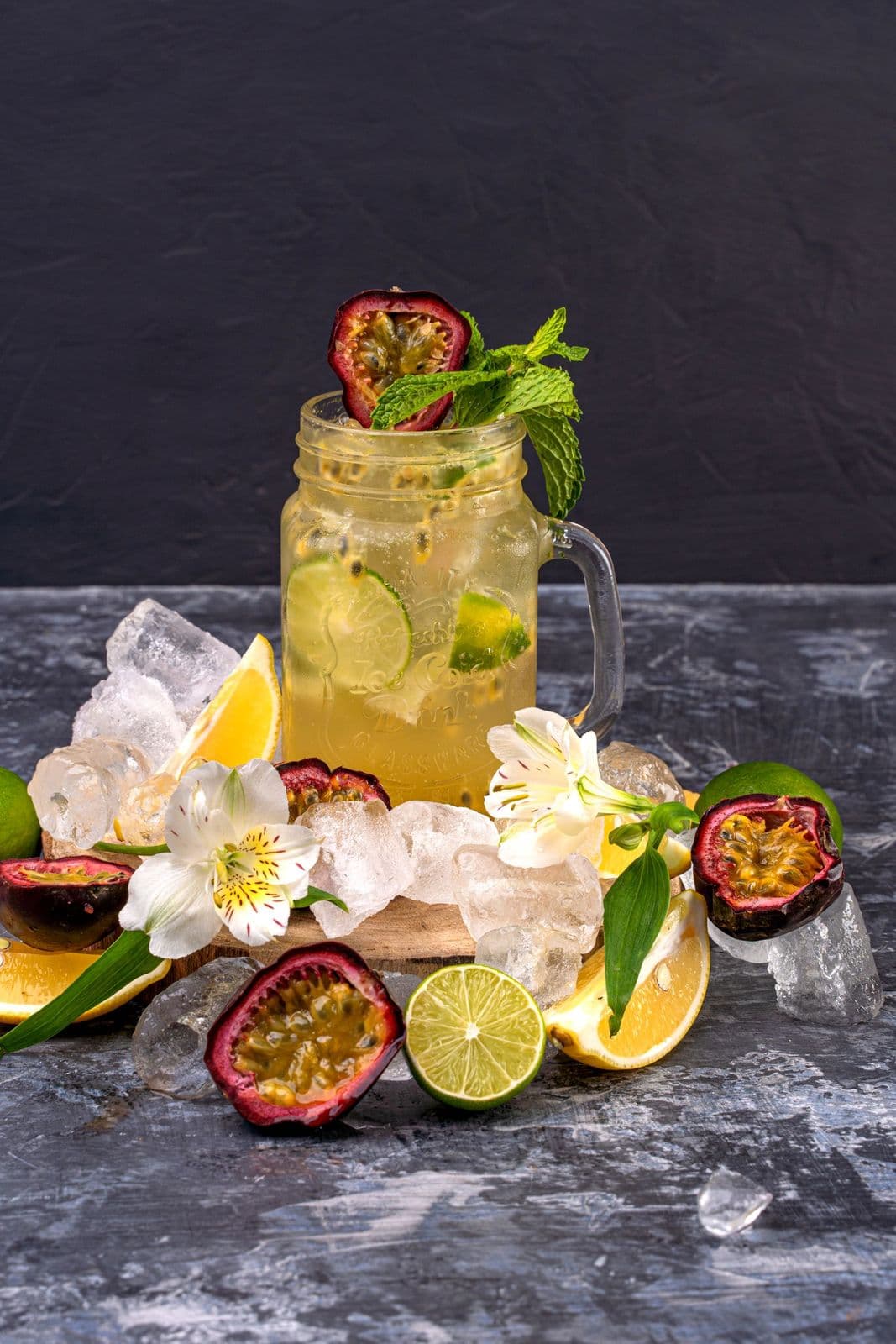
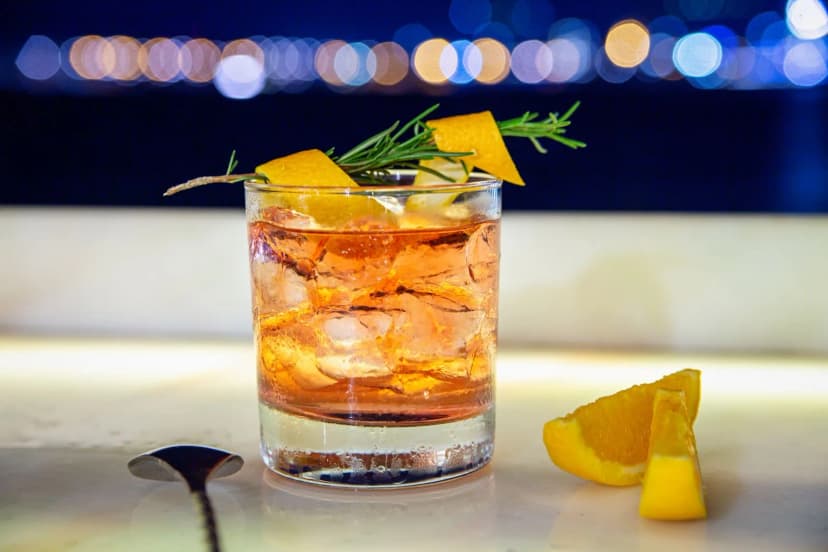
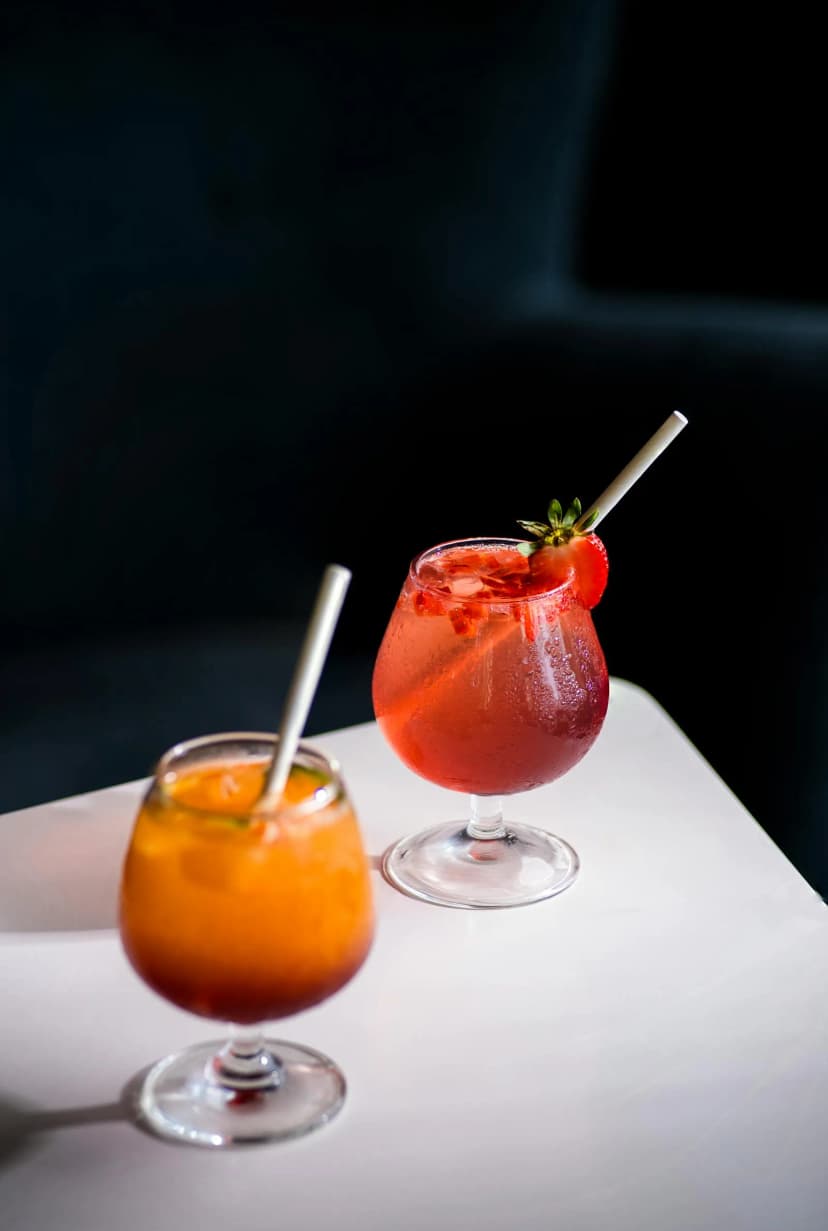
Passion fruit beer is best served ice-cold: pour it into a tall glass over ice cubes, add a few mint leaves and a slice of lime to lift the aroma. You can top it up with soda or sparkling water to dilute it and make it more refreshing, or add a touch of honey if you like it sweeter. A little chilli salt to dip fruit in pairs beautifully with it at an outdoor party, too.
Flavour variations: combine passion fruit with pineapple, mango or ginger for a more complex flavour layer; add a bruised stalk of lemongrass while fermenting for a fresh, fragrant note. Each ingredient changes the fermentation pace slightly, so taste often.
Alcohol-free version: if you're serving people who don't drink, go for a very short ferment, soda-style, then chill immediately — or simply mix up a passion fruit mocktail or juice with no fermentation at all. This is safe for all ages and perfect for events that need a shared drink for the whole group.
Frequently asked questions (FAQ)
How strong is passion fruit beer?
It's low and not fixed; it rises with fermentation time and the amount of sugar. A short ferment is very light (almost like a fizzy juice), a long ferment is stronger. To know the exact figure you'll need to measure it with a hydrometer.
How long until it's ready to drink?
Usually 2–4 days at room temperature; taste it from day two and stop when it suits your palate, then chill it to preserve the flavour.
Can children or pregnant women drink it?
No. This is a fermented alcoholic drink, only for people aged 18 and over, and to be enjoyed responsibly; these groups should have the alcohol-free version.
How long does it keep?
Use it within a few days and keep it refrigerated the whole time. Left at room temperature, the yeast keeps working, the drink gets more tart and the pressure in the bottle rises.
How is it different from a passion fruit mocktail?
A mocktail is mixed directly, with NO fermentation, so it's alcohol-free; passion fruit beer must go through fermentation, so it has natural fizz and a light alcohol content.
Need craft fermented drinks or a mobile bar for an event?
The bartender.com.vn team offers menu consulting (including alcohol-free versions) and all-inclusive quotes for parties and events.
References
The figures and facts in this article are drawn from the public sources below (open them to cross-check):
Planning an event?
Get a free quote
Tell us about your event and our team will recommend the right package and send a detailed quote — no commitment.